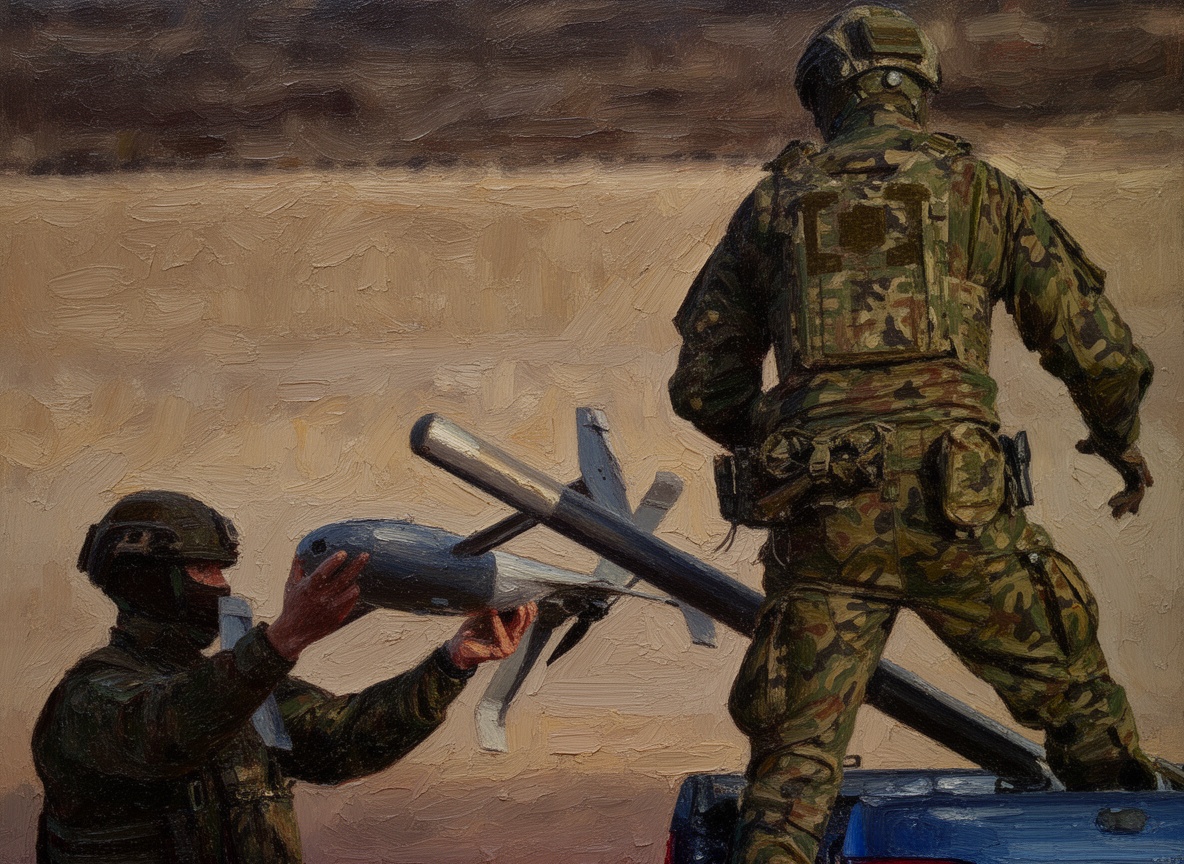

In a significant development, Indonesia, Morocco, Kosovo, and Kazakhstan have pledged to send troops to support a new security initiative aimed at stabilizing Gaza. This plan, which includes the provision of training support from Egypt and Jordan for local police forces, seeks to enhance peacekeeping efforts in the region in light of escalating tensions and ongoing conflicts in the area. The exact number of troops and the scope of their mission remains to be detailed; however, this commitment represents a concerted effort by diverse nations to address instability in Gaza.
This deployment is noteworthy as it reflects a growing willingness among non-Western nations to engage in direct military involvement in the Middle East. With the continued volatility witnessed with Israel-Palestine relations, as well as the broader impact of regional conflicts, this initiative shows a shift towards multi-national cooperation that may redefine diplomatic and military alliances in the region. It is an indication that countries such as Indonesia and Morocco are increasingly considering their roles in international security frameworks, especially with respect to Muslim-majority countries.
Key players include Indonesia and Morocco, both of which have historically advocated for Palestinian statehood and stability in the region. Indonesia's involvement, as a significant Muslim-majority nation, reflects its commitment to international obligations and solidarity with the Palestinian cause. Conversely, Morocco seeks to enhance its regional influence and strengthen diplomatic ties with Gulf nations, while Kosovo's participation highlights its aspirations for greater international recognition and its geopolitical ambitions within the Western bloc. Kazakhstan's involvement further emphasizes Central Asia's increasing role in Middle Eastern affairs.
The implications of this troop deployment are far-reaching. A successful intervention could lead to a new status quo in Gaza, potentially averting further violence but also risking entanglements in complex local political dynamics. Conversely, failure could expose these nations to criticism and further complicate their diplomatic relations both regionally and globally. This coalition could also serve as a precedent for other nations to engage in collective security measures, altering traditional power dynamics and alliances in international relations.
Historically, various multi-national peacekeeping efforts have struggled with legitimacy and effectiveness, often hampered by local sentiments and regional rivalries. The success of this initiative may hinge on the ability of these nations to navigate these sensitive dynamics while effectively collaborating. Past missions, such as those under the United Nations umbrella, provide lessons on the potential challenges and need for substantial local political support.
Analyst assessment indicates that this deployment, if adequately supported and positioned, could serve as a stabilizing force in a historically volatile region; however, careful planning and an understanding of local dynamics will be critical for its success. Observers will need to monitor not only troop movements but also the reactions of key regional players such as Israel and Iran, as well as local Palestinian groups, to gauge the true impact of this military initiative on the ground.