
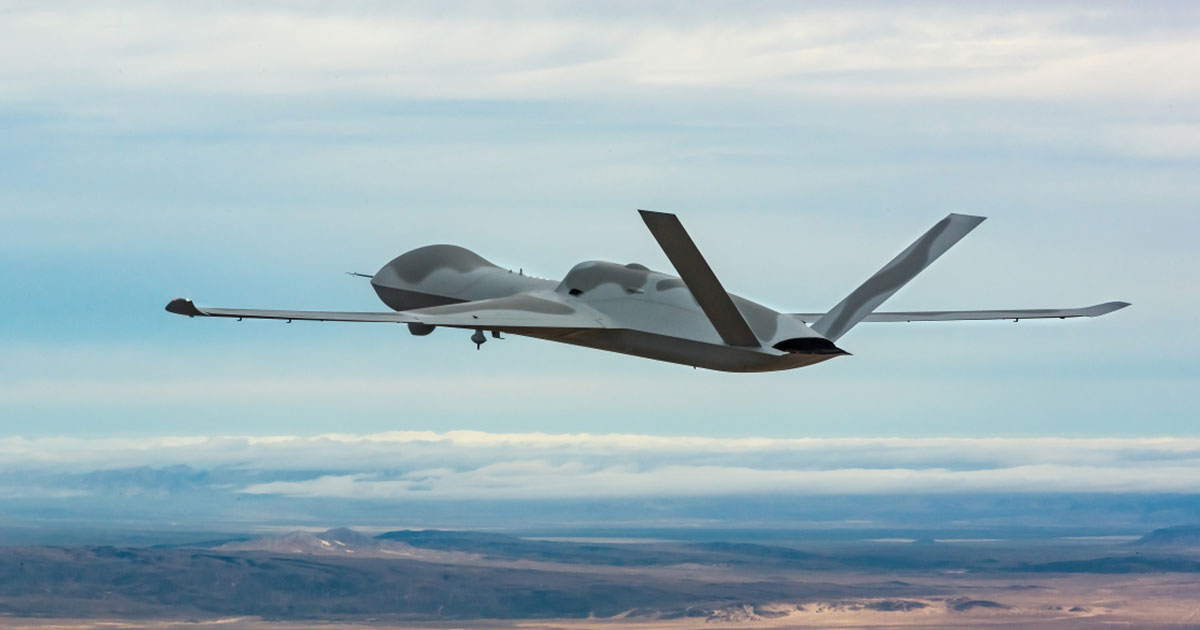
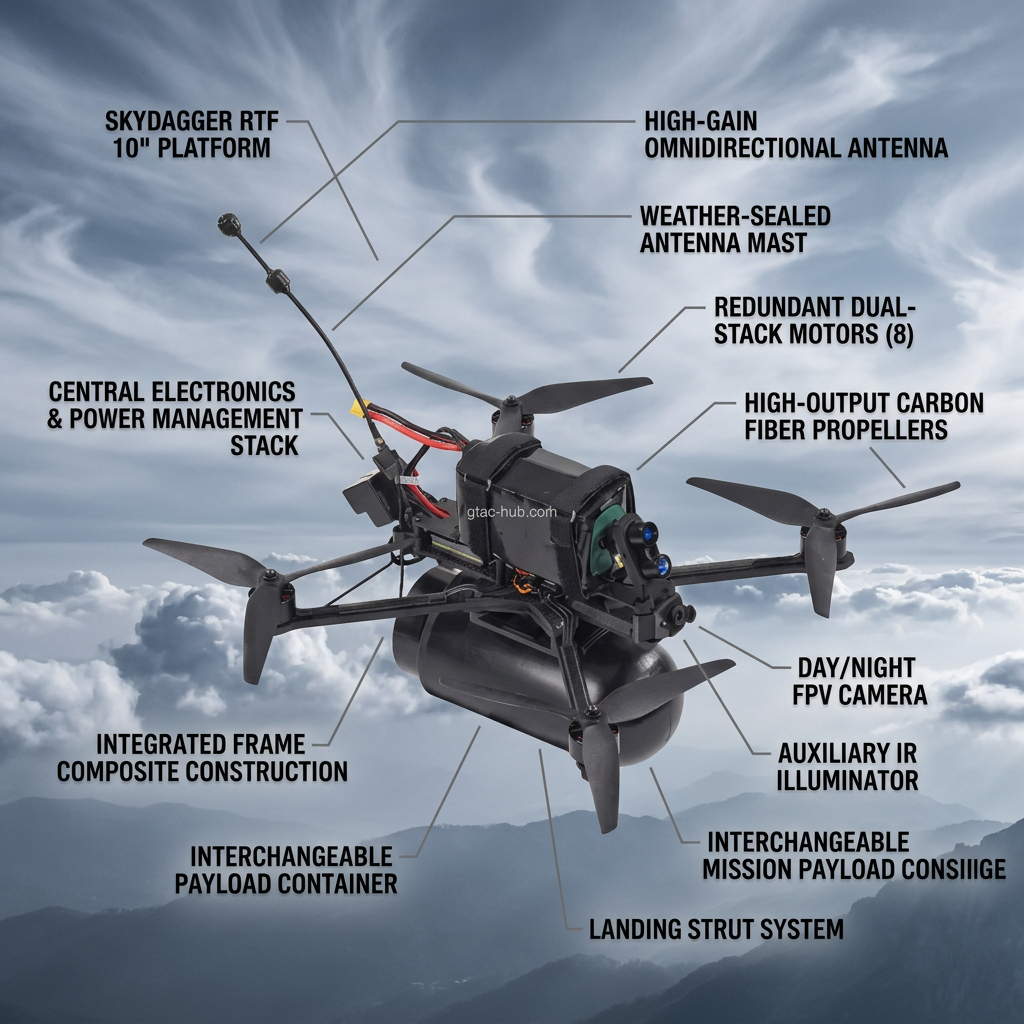
A joint flight exercise was conducted successfully involving the F-22 Raptor, a premier air superiority fighter, and the MQ-20 drone, an advanced unmanned aerial vehicle (UAV) designed for ISR (Intelligence, Surveillance, and Reconnaissance) missions. In this operation, the F-22, piloted by a human operator, directed the MQ-20 in real-time, executing various mission profiles which included surveillance, target acquisition, and data relay tasks, highlighting the integration of manned-unmanned teaming in contemporary military operations.
This development is significant as it aligns with the global shift towards greater reliance on unmanned systems alongside traditional manned platforms. The exercise illustrates the United States' commitment to enhancing joint operational capabilities by utilizing advanced technologies that improve battlefield effectiveness, situational awareness, and force multiplier effects on military operations. Furthermore, as great power competition intensifies, innovation in warfare tactics will play a critical role in shaping future engagements.
Key players in this exercise include the United States Air Force (USAF), which is at the forefront of integrating unmanned systems for enhanced combat capabilities. The USAF's motivation stems from the need to maintain air superiority and operational dominance while minimizing pilot risk. The MQ-20 drone, being developed by Northrop Grumman, exemplifies advancements in UAV technologies that support command and control operations for future combat scenarios.
The implications of successfully integrating manned and unmanned systems are far-reaching. It sets a precedent for operational procedures that can influence allied forces seeking to adopt similar capabilities. Additionally, adversaries observing these developments may accelerate their own unmanned program investments, stimulating an arms race focused on drone technology and tactics. This exercise reaffirms the strategic importance of unmanned capabilities in the modern battlefield.
Historically, the United States has prioritized the development of unmanned systems dating back to early UAV deployments in the late 20th century. As technology has advanced, the capabilities and roles of these systems have evolved significantly, leading to their current state where they are an integral part of joint operational frameworks, particularly in contentious environments where airspace is contested.
Looking ahead, the successful execution of this exercise suggests a robust future for manned-unmanned integration in military doctrine. Analysts anticipate potential escalations in the development of counter-UAV systems by global adversaries in response to these advancements. This transition towards unmanned capabilities will likely dominate future military planning and do so in ways that reshape the conduct of air warfare globally.