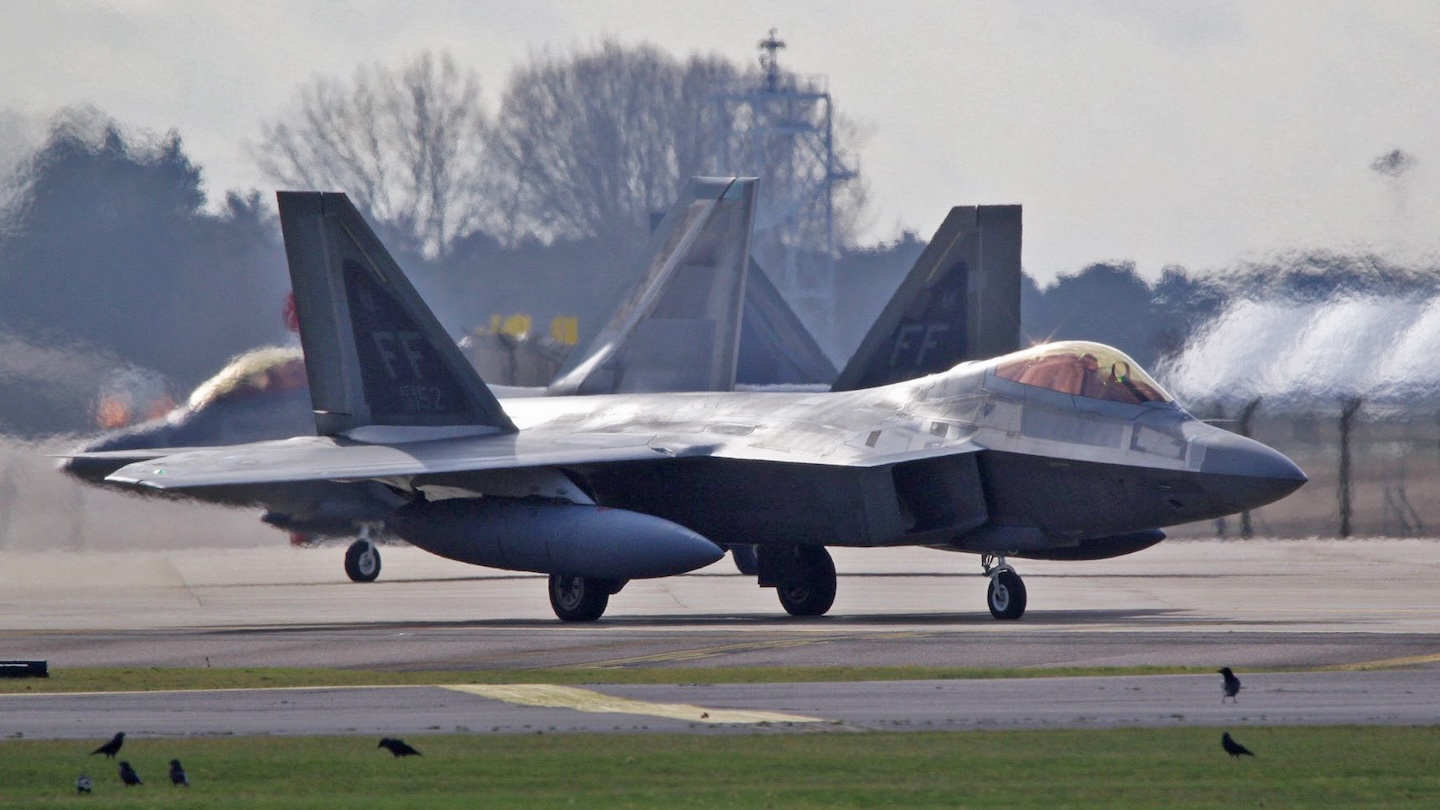
Two critical deployments of U.S. combat aircraft have occurred as F-16s arrive at Diego Garcia and F-22s are positioned in Israel. The movement of these advanced aircraft underscores a heightened state of alert in response to potential threats in the Indo-Pacific and Middle Eastern theaters. This is a marked escalation in U.S. military readiness as negotiations regarding nuclear capabilities continue in Geneva.
Historically, Diego Garcia has served as a strategic hub for U.S. operations in the Indian Ocean. The base has been used for logistic support and air operations since the 1970s, positioning the U.S. to project power in areas where China and Russia exert increasing influence. Meanwhile, Israel has long been a focal point for U.S. military support, especially amid ongoing regional tensions with Iran and its proxies.
The significance of these deployments cannot be overstated. Deploying F-22s, the most advanced air superiority fighter, to Israel signals a robust U.S. commitment to its ally during a time of uncertainty regarding Iran's nuclear ambitions. Concurrently, the F-16s at Diego Garcia provide a rapid-response capability for any contingencies emerging in the Indo-Pacific region, highlighting U.S. readiness to counteract Chinese maritime expansion and assertiveness.
Key actors involved include the United States, Israel, and potential adversaries like Iran and China. The U.S. aims to deter Iranian aggression and nuclear development while simultaneously signaling to China that its military activities in the Pacific will be countered. This dual capability reflects strategic motivations to maintain U.S. dominance in critical regions.
The F-22s boast capabilities such as supercruise, advanced avionics, and stealth features, making them formidable against adversaries with advanced air defenses. The F-16s, while older, are still highly versatile and capable of a range of missions from air defense to ground attack. The accumulation of these assets also likely includes intelligence, surveillance and reconnaissance platforms to support operations in these key areas.
The immediate consequences of these deployments include increased regional tension, particularly with Iran, as negotiations over nuclear capabilities remain precarious. As military assets are repositioned, there is a risk of miscalculation or confrontation, especially during sensitive negotiations. The U.S. is signaling that it will take decisive action should Iran fail to comply with international demands regarding its nuclear program.
Historically, similar deployments have deployed a clear, strategic message to adversaries, often resulting in heightened military readiness and operational tempo. For example, the forward positioning of U.S. forces during the Korean crisis in the 1950s and the Cold War displays emphasized deterrence through military presence.
Looking ahead, intelligence analysts will monitor the outcomes of the nuclear talks in Geneva closely. Strategic indicators may include changes in Iranian military posturing, regional diplomatic maneuvers, and further U.S. military mobilizations. The U.S. response to any perceived threat or breakdown in negotiations could lead to further escalation in either the Indo-Pacific or the Middle East.