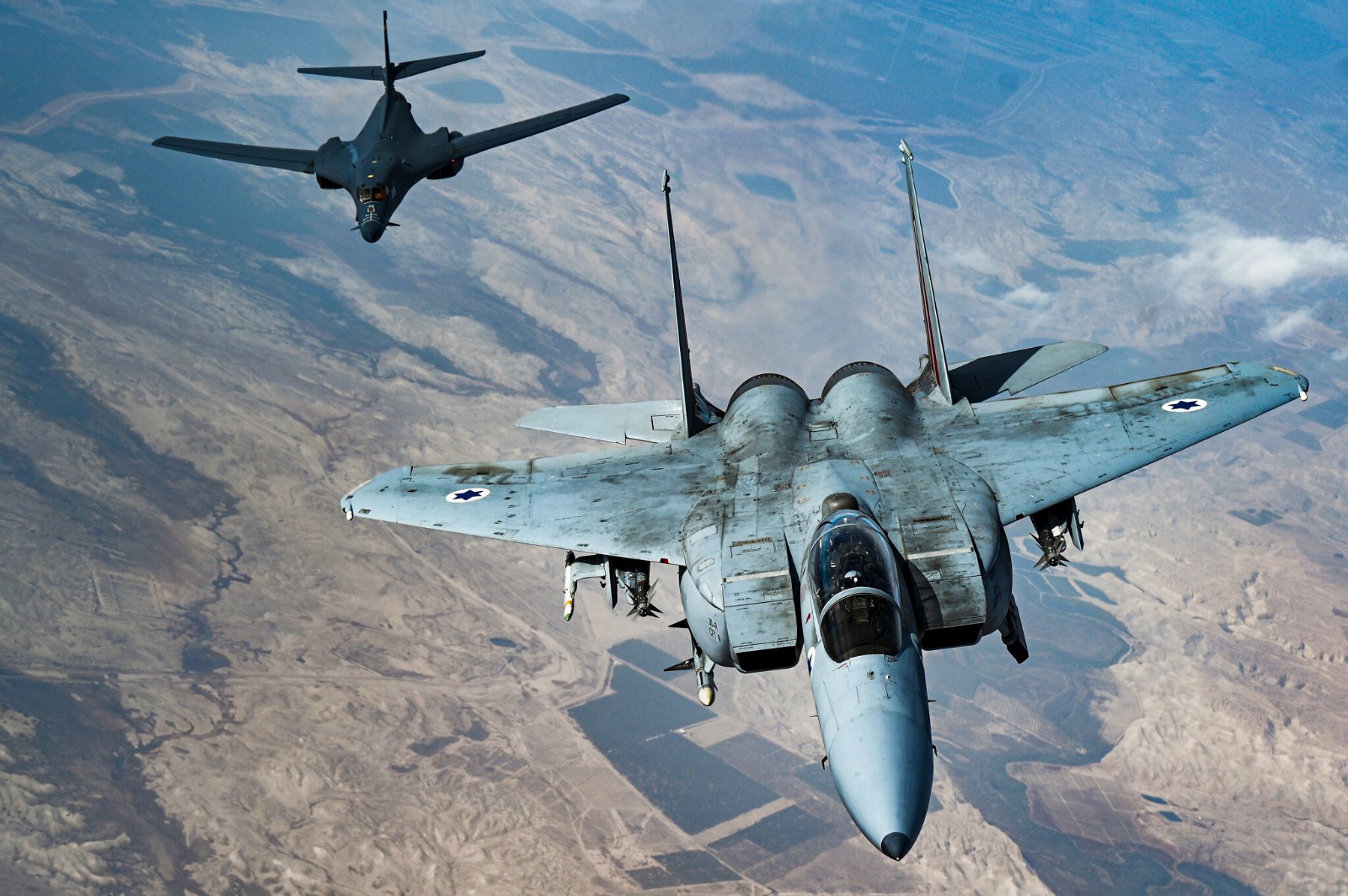
The F-15 Eagle, despite its legendary status and an impeccable 104-0 record in air-to-air combat, is losing ground to the F-16 Fighting Falcon in foreign sales, most notably in the Indian Air Force's ongoing MRFA (Multi-Role Fighter Aircraft) selection process. Recent evaluations indicate that the F-16 is gaining traction among global buyers, significantly undermining the F-15’s dominance in the market for advanced fighter jets.
Since their introductions, both the F-15 and F-16 have undergone numerous upgrades and iterations, continually showcasing remarkable capabilities in various air defense operations. However, with the emergence of newer competitors, particularly from Russia and Europe, the pressure has mounted on these legacy platforms, particularly the F-15, to demonstrate their relevance and value in modern aerial combat scenarios.
The significance of this development cannot be overstated. The F-15’s waning foreign sales pose serious implications for U.S. defense strategic interests, revealing vulnerabilities in its export strategy amidst a rapidly evolving geopolitical landscape. Additionally, the F-16's rising popularity not only showcases the shifting preferences of air forces but also raises concerns about the long-term competitiveness of U.S. military aviation in the global arms market.
Key actors in this shift include the U.S. defense establishment, which is facing increasing pressure to modernize its offerings and adapt to international demands. The Indian government's decision-making process, influenced by economic factors and geopolitical alignment, indicates a decisive pivot toward more versatile and cost-effective platforms like the F-16, which may enhance India's own military capabilities while simultaneously challenging U.S. export dominance.
Technical assessments reveal that the F-15, particularly the latest F-15EX variant, boasts advanced electronic warfare systems, and an extensive payload capacity that allows for heavy-hitting air superiority. In contrast, the F-16, especially the F-16V variant, benefits from its multirole adaptability, lower acquisition costs, and ease of integration into existing air forces, making it a more attractive option for nations like India that seek immediate operational readiness without excessive technological overhauls.
The likelihood of further escalations in this rivalry could reshape defense procurement policies across Asia, particularly as regional powers assess their own aircraft needs against budgetary constraints. This shift may drive older airframes into obsolescence if domestic air forces do not prioritize modern capabilities and interoperability with allied forces.
This foreign sales competition recalls historical instances of U.S. aircraft facing new entrants, like the emergence of the F/A-18 Hornet ousting the F-14 Tomcat in certain markets. Such shifts often serve as bellwethers for broader defense trends, potentially relegating once-dominant platforms to secondary status.
In the coming months, observers should closely monitor developments in the MRFA program as India finalizes its choice. Key indicators include changes in contract details, adjustments in pricing offerings, technological partnerships, and whether potential adversaries begin to capitalize on any perceived weaknesses in U.S. offerings. If the F-15 continues to falter, expect a reevaluation of U.S. military sales strategies globally.