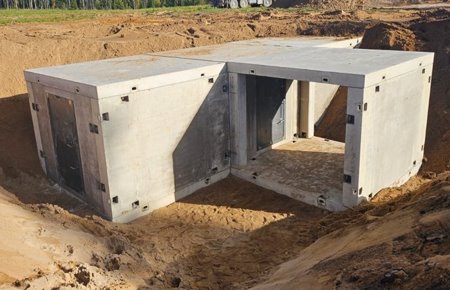
The Estonian government has commenced the procurement of hundreds of mobile, pop-up bunkers intended to enhance its border fortifications against potential incursions from Russia and Belarus. This initiative is part of a wider strategy by the Baltic states to improve their defensive capabilities in light of increased military posturing by Russian forces along the borders. These portable bunkers are designed to provide rapid deployment in response to threats, effectively creating a temporary defensive line at critical border locations.
The geopolitical landscape in Northern Europe has rapidly evolved, particularly since the annexation of Crimea in 2014 and more recently, Russia's ongoing military operations in Ukraine. The Baltic nations, having historical experiences of invasion and occupation, are now prioritizing their defense infrastructure to deter any possible aggression from Russia, which has been juxtaposing its military capabilities against NATO's eastern flank. The introduction of such fortifications underscores the seriousness with which Estonia and its neighbors perceive the security dynamics in their region.
Key players include Estonia, which is taking proactive measures alongside its Baltic partners, Latvia and Lithuania. All three nations aim to establish a coherent and unified defensive posture that not only addresses immediate threats but also reassures their populations and NATO allies of their resolve. Additionally, this move reflects the motivations of the Baltic states to demonstrate self-defense capacity, thus reducing the perception of vulnerability.
Globally, this development could have several implications. It may provoke a response from Russia, potentially increasing military tensions in the region and impacting European security dynamics. Furthermore, it could encourage other NATO members to bolster their own defensive measures in Eastern Europe or lead to a reassessment of military strategies by both NATO and Russian military planners. The European Union might also examine its border defense policies more closely, particularly in relation to migration security amidst heightened fears of destabilization.
Historically, the establishment of strong defensive perimeters is a common response in Europe, particularly following conflicts, which serve to deter aggressors. The Baltic states’ historical experiences with Soviet domination inform their current military strategies and border security enhancements.
Analyst assessment indicates that while these measures are intended to enhance immediate security, they may also contribute to a cyclical arms and counter-arms race in the region. Moving forward, Estonia and its Baltic allies must balance defensive posturing while maintaining dialogue to prevent unnecessary escalation with Russia, which could lead to miscalculations or military confrontations.