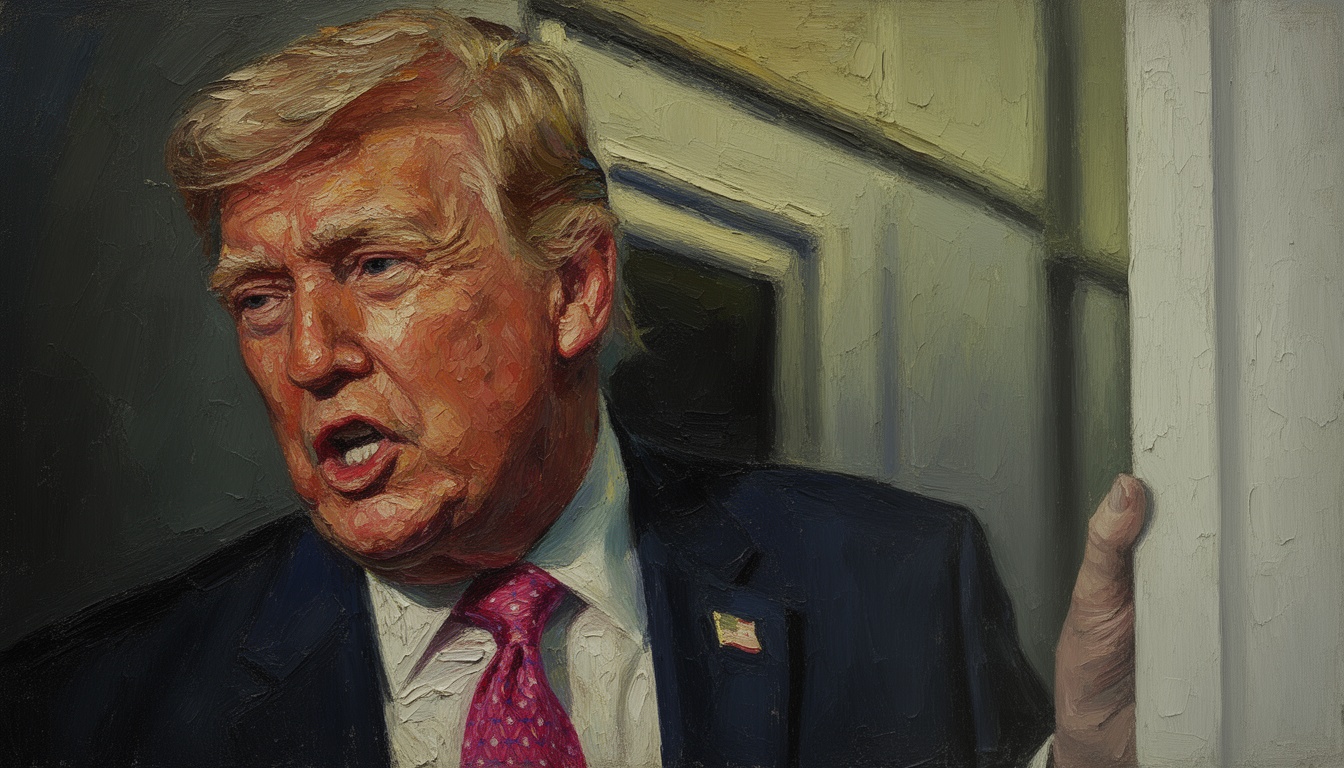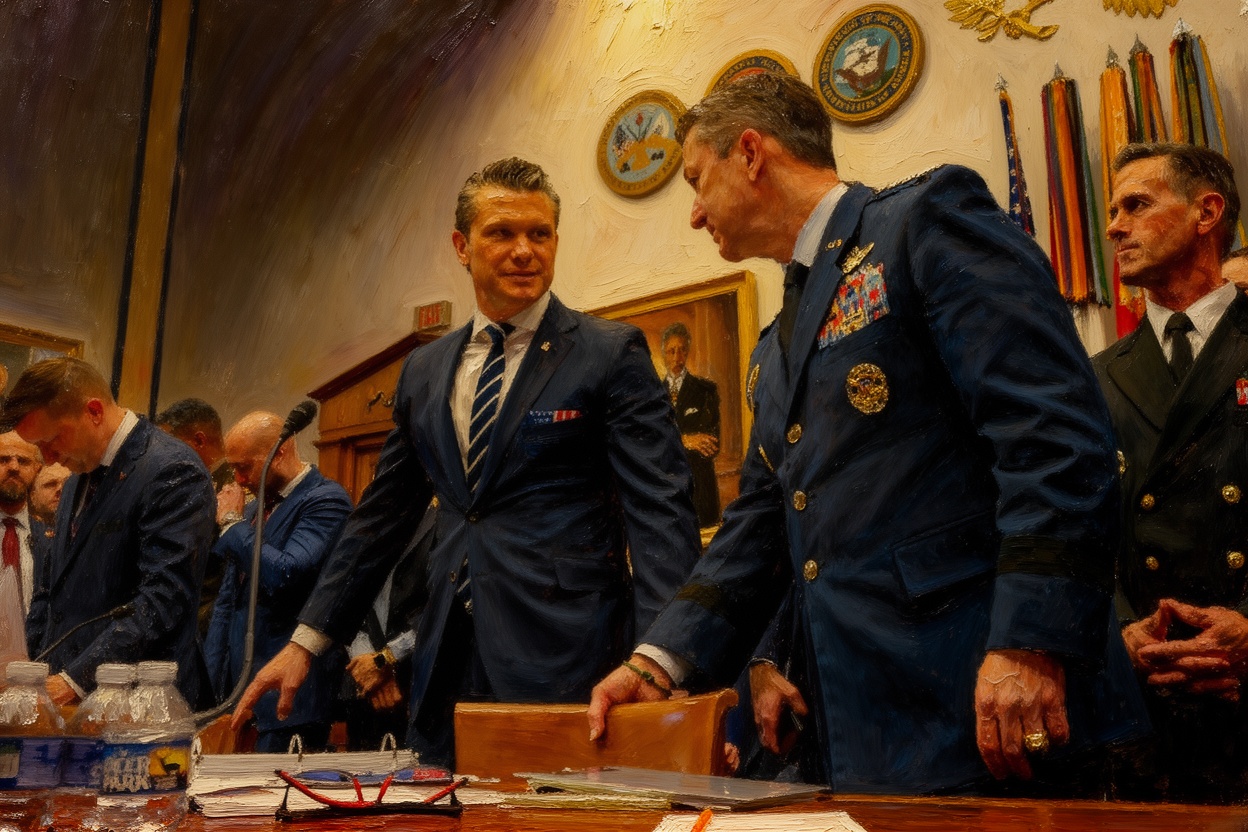
In a recent press conference, the US defense secretary declined to comment on the potential duration of the ongoing conflict in Iran, emphasizing the complexities involved. As military operations continue, officials have been instructed to avoid making predictions regarding the war's future and to focus on current objectives. This refusal to engage in speculation has raised eyebrows among analysts and lawmakers alike, especially as critical deadlines under the War Powers Act loom.
Background context reveals that the War Powers Act imposes limits on the president's ability to engage in military conflict without congressional approval. With a 60-day ultimatum approaching, many are questioning how the Biden administration will navigate its military commitments in the Middle East, particularly concerning Iran. The situation continues to evolve, and a lack of clear answers from senior officials contributes to uncertainties surrounding the US's strategic position.
The strategic significance of this ongoing situation cannot be overstated. The Iran conflict not only affects regional stability but also poses broad implications for global security dynamics. Various military experts have cautioned that any misstep could lead to wider confrontations within the region, thereby necessitating a clear and decisive strategy from US and allied forces.
From a technical perspective, US forces are currently engaged in a range of operations targeting Iranian-backed militias and installations. Intelligence estimates suggest a heightened operational tempo in the region as the deadline approaches. Defense spending related to these engagements continues to rise, with the Pentagon's budget for operations in the Middle East projected to exceed last year’s figures significantly.
In terms of likely consequences, the refusal to predict the war's length might be an attempt to maintain strategic ambiguity; however, this can lead to greater public and political pressure about the ongoing engagements. As the deadline under the War Powers Act nears, observers expect intensified scrutiny from Congress and the possibility of renewed debates over military deployments in the region in the wake of increasing tensions.