
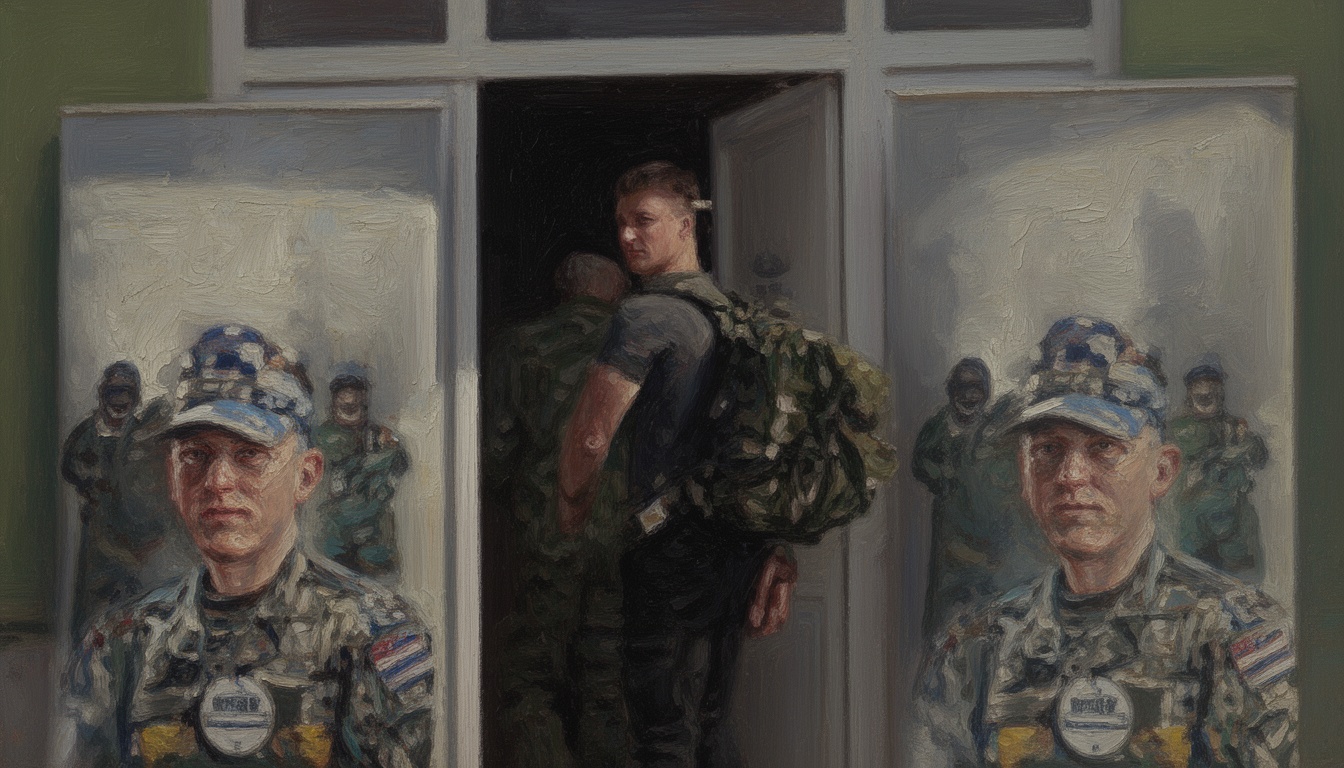
Croatia has officially reinstated military conscription, compelling hundreds of teenagers to report for duty. This pivotal move comes as the nation faces increasing geopolitical pressures and the need for a more robust defense capability in a rapidly changing security landscape. The conscription will not only encompass traditional military training but will also include advanced skills like drone operation and cyber warfare, reflecting modern combat needs.
The reinstatement of conscription follows a period of heightened military readiness in Europe, particularly stemming from ongoing tensions in Eastern Europe and the challenges posed by Russian aggression. Croatia's decision marks a significant shift from its previous volunteer-only military service model, which had been the norm since the early 2000s. The historical context includes Croatia's and surrounding nations' struggles during the Yugoslav Wars, leading to an increased emphasis on national defense and territorial integrity.
This development is significant as it underscores a broader trend of countries reinforcing their military capabilities amid threats of regional instability. The reintroduction of conscription not only strengthens Croatia's military manpower but also signals to neighboring nations that Zagreb is prepared to bolster its defense systems. The focus on modern warfare tactics, including cyber capabilities, exemplifies a critical adaptation to contemporary threats, reinforcing security for NATO allies in the Balkans.
Key actors in this scenario include the Croatian government, which aims to respond proactively to security threats, and NATO, which has been pushing for enhanced military readiness among member states in Eastern Europe. Croatia's motivation appears to stem from a mix of self-preservation amid regional threats and alignment with Western military standards. Internal political pressures and public sentiment about national defense could also be influencing this policy shift.
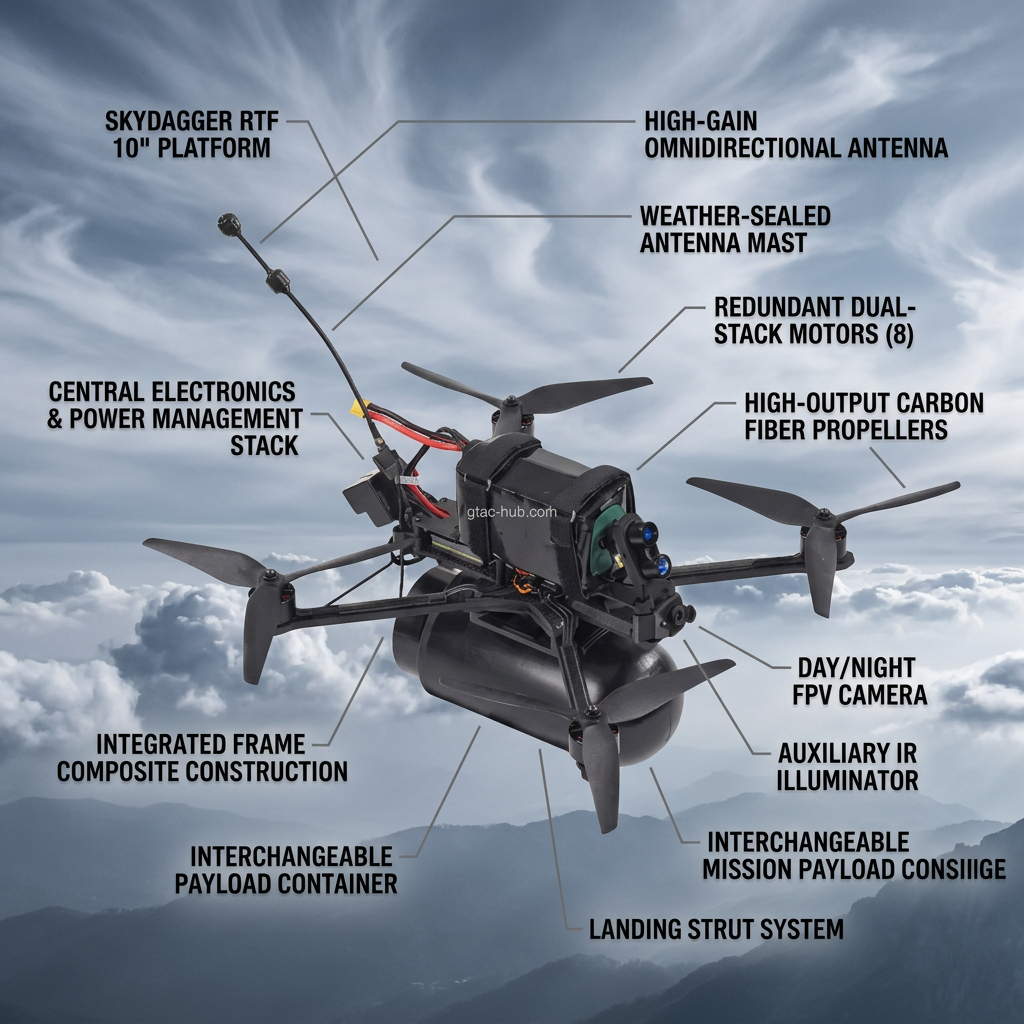
Operationally, the Croatian military is integrating modern warfare tactics into its training modules, involving drone technology and cyber countermeasures, vital components in contemporary conflict. The focus on such advanced technologies suggests a shift away from traditional military doctrine toward a more adaptive and technologically advanced military force. Funding for this initiative is expected to increase as the government recalibrates its defense budget to support the expanded scope of training.
The likely consequences of this conscription reinstatement include a potential militarization of the youth, shifting public attitudes towards military service, and increased tensions with neighboring states who may perceive this as an escalation of Croatian military capabilities. Croatia's resolve may provoke reactions from Russia, as Moscow closely monitors NATO’s military adjustments in the region.
Historical parallels to consider include the experiences of former Yugoslav states in response to external threats, particularly the immediate post-war years when military readiness was paramount. The legacy of conflict has instilled a sense of urgency regarding national defense, making conscription a strategic necessity rather than a mere option.
Moving forward, analysts should watch for trends in public and political responses to this policy change, the recruitment and retention rates of conscripts, and any shifts in Croatia's defense spending. Additionally, the deployment of advanced training programs for younger recruits could become a focal point for international military partnerships, highlighting Croatia’s evolving role in European defense initiatives.