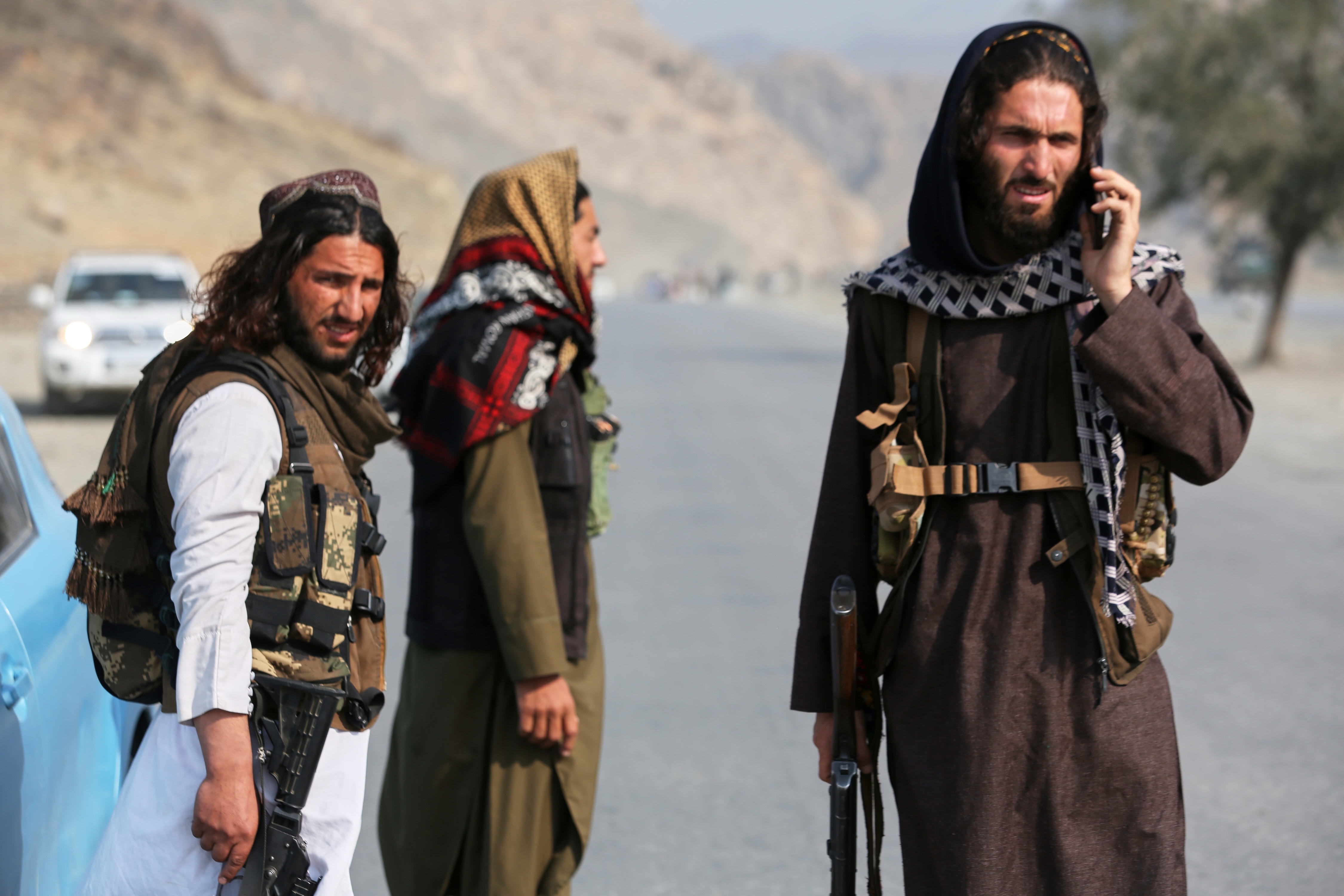
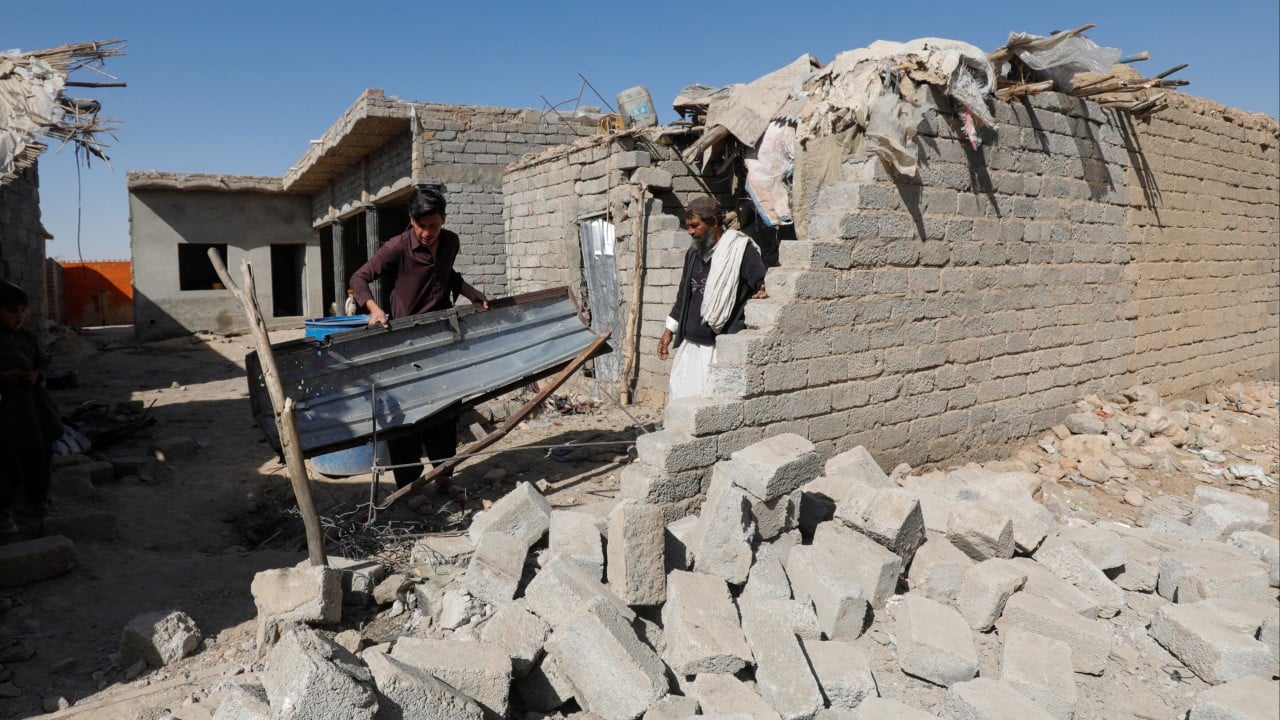
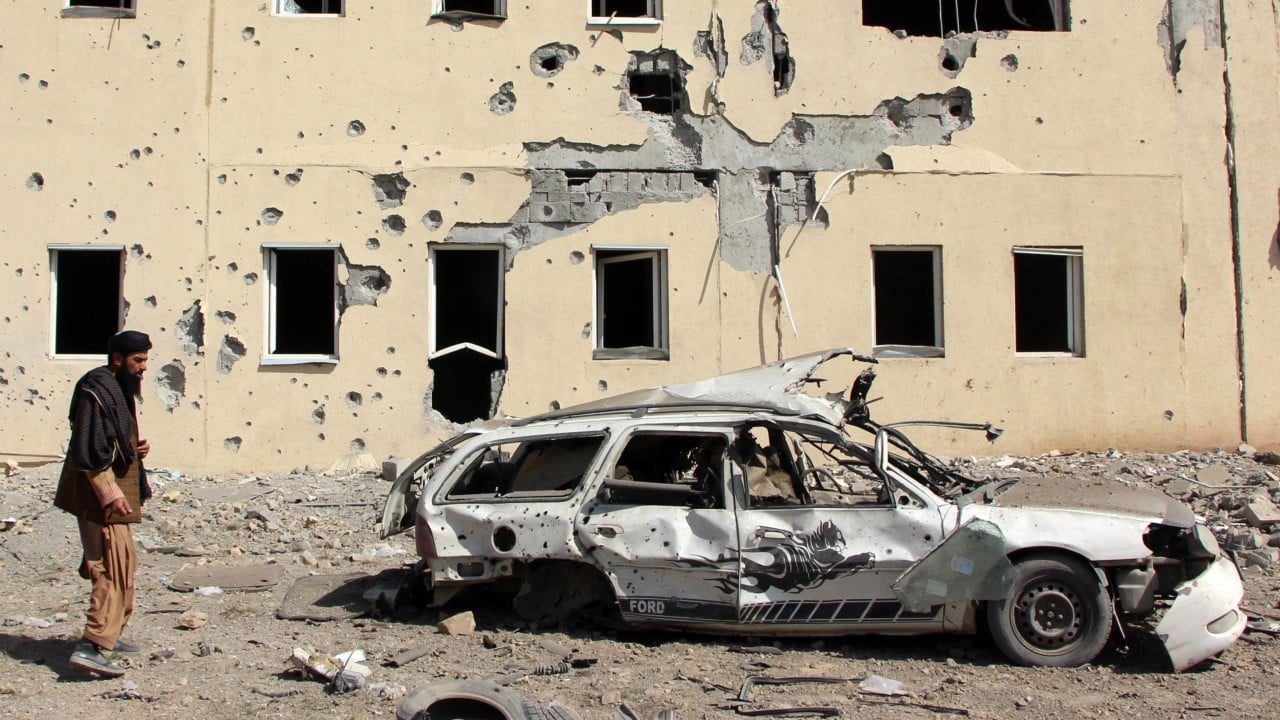
Pakistan has declared an unequivocal rejection of dialogue with Afghanistan as reports emerge of a drone strike hitting a mosque in Bannu, injuring at least five individuals. This development reflects a grim escalation in hostilities, amid a broader pattern of violence that has troubled the border region for years. The areas surrounding the Durand Line have become increasingly volatile as both state and non-state actors heighten their military engagements.
The Bannu district, which borders tribal regions often influenced by militant groups, has been a hotspot for violence historically. The Pakistani military and intelligence services have been active in combating militants in the region, often clashing with Afghan-based insurgents. Previous attempts at diplomatic engagement have consistently faltered due to unresolved conflicts over territorial sovereignty and the presence of various militant factions aligning with rival actors in Afghanistan.
This crisis has far-reaching implications for regional security, as Pakistan and Afghanistan find themselves at a dangerous impasse. Both nations, armed with nuclear arsenals, face the risk of military miscalculation that could escalate into broader conflict. The persistent drone attacks signal an escalation of cross-border militant activities that threaten to destabilize the fragile security arrangements in place.
Key actors in this escalating crisis include Pakistan's military leadership and the Taliban-led Afghan government. Both participants are motivated by a complex web of historical grievances, territorial claims, and the rise of militant factions that undermine state authority. Pakistan seeks to establish a secure perimeter to contain insurgent threats while Afghanistan struggles to maintain control over its evolving security landscape, complicated by competing regional power influences.
Operationally, the drone strike in Bannu represents a shift in how hostilities are being conducted. Drones potentially employed by Pakistani forces indicate a move toward more technological warfare methods, suggesting a new chapter in the counter-terrorism approach. Moreover, the incident causes serious concern regarding civilian safety and military engagement policies, which may be strained further by the latest violence.
The immediate consequences are likely to involve increased military patrols and further strikes in targeted areas perceived to harbor insurgents. Both nations may ramp up their rhetoric, pushing the situation closer to outright confrontations along the border, as neither wants to appear weak in the face of escalating threats.
Historically, this situation reflects the tumultuous relationship seen during the height of the Afghan War in the late 20th century, where similar patterns of violence resulted in cyclical conflict. The legacy of mismanaged grievances continues to fuel hostilities, illustrating a regional chess game where peace remains elusive concerning national interests.
Looking forward, intelligence analysts should monitor troop deployments along the border and public statements from both governments for signs of shifting strategies. The potential for renewed dialogue remains teetering on the brink, while the presence of proxy militant groups could spark further violence. The next few weeks will be critical for assessing whether diplomacy can find a foothold or if this crisis will descend into more direct confrontation.