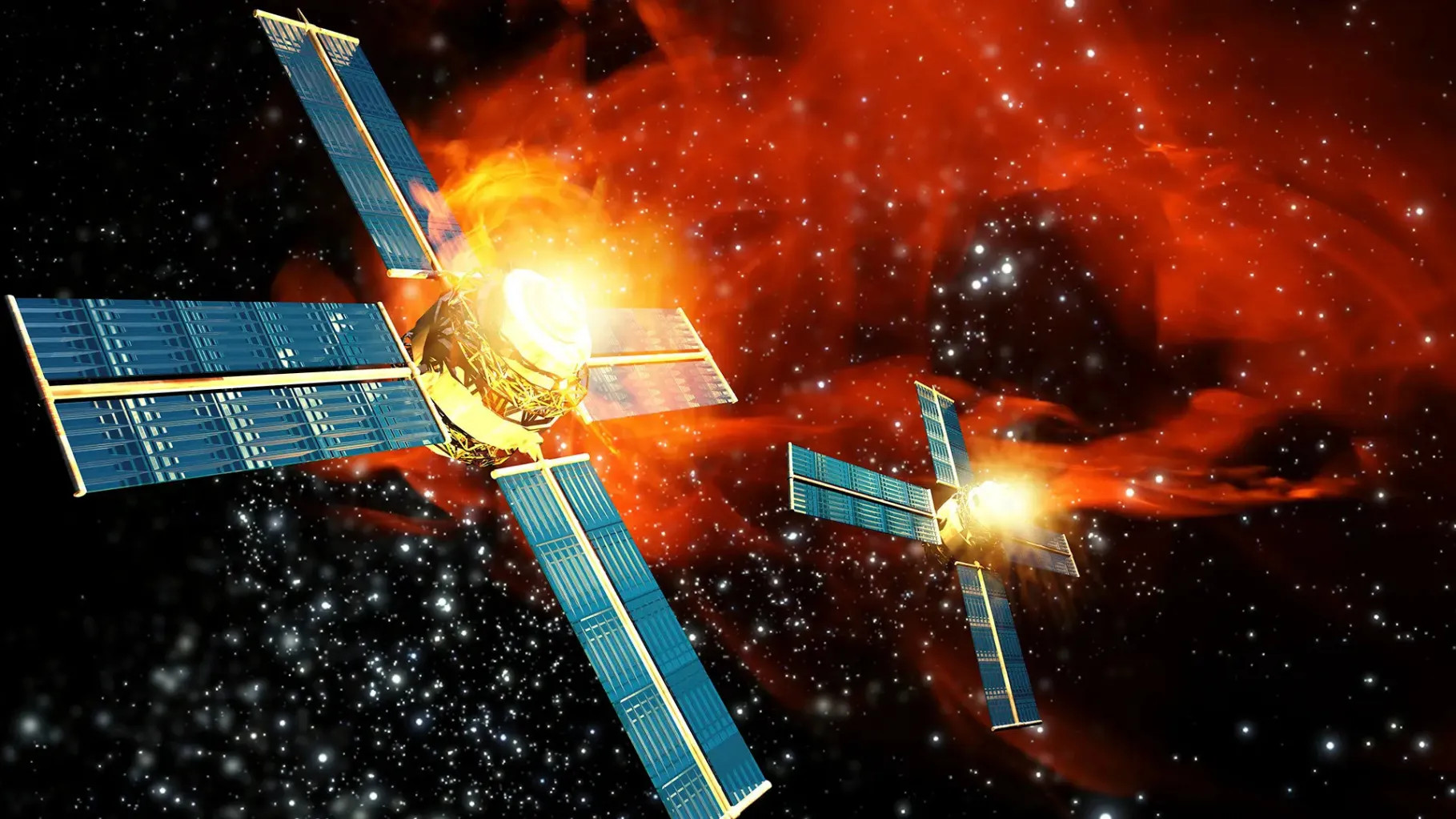
China's ramping up of its reconnaissance satellite capabilities is prompting a significant shift in US military strategy. Recent statements from the US Space Force indicate a transition from a defensive posture to offensive tactics in response to emerging threats posed by China's growing space surveillance network. The US recognizes that its access to space may be increasingly contested, necessitating a more proactive approach to ensure national security and protect vital satellite assets.
The developments trace back to China's accelerated space program over the past decade, which has seen the country launch dozens of new satellites, enhancing its intelligence-gathering capabilities. This includes the deployment of high-resolution imaging and signals intelligence satellites capable of tracking military activities worldwide. The US has observed China utilizing these capabilities in various conflicts and territorial disputes, particularly in the South China Sea, raising alarms about the implications for regional and global stability.
The significance of this situation cannot be understated. Space is emerging as a pivotal battlefield in modern warfare, with nations vying for supremacy in satellite technology and capabilities. The increased surveillance from Chinese satellites poses a direct threat to US military effectiveness, as well as the security of allies in the Asia-Pacific region. This shift in tactics could fuel an arms race in space and escalate tensions between major powers, ultimately jeopardizing international stability.
Key players in this escalating scenario include the United States and China, both of which are advancing their military capabilities in space. The US Space Force aims to secure critical communication and reconnaissance capabilities to counter Chinese advancements, while China is likely motivated by a desire to assert dominance in the Indo-Pacific and secure its interests against perceived threats. These motivations reflect broader strategic ambitions, with both nations viewing control over space as essential for future conflict resolution.
In technical terms, China's fleet of intelligence-gathering satellites includes the Gaofen series, which boasts capabilities such as sub-meter resolution imaging and synthetic aperture radar. Concurrently, the Space Force plans to enhance its own satellite capabilities, investing billions in new technologies to protect its assets in low earth orbit. The ongoing budget for US space programs has seen significant increases, with recent allocations approaching $24 billion, indicating a serious commitment to maintaining a competitive edge.
This escalation is likely to lead to a series of confrontations in space as both countries strive to assert their presence. Potential flashpoints could include increased military exercises or the establishment of anti-satellite capabilities aimed at neutralizing each other's surveillance networks. Additionally, these tensions may encourage other nations to enhance their own space capabilities, further complicating the strategic landscape.
Historical parallels can be drawn to the Cold War, specifically the nuclear arms race that developed between the US and the Soviet Union, where each side constantly sought to outpace the other. Similarly, the current race for technological supremacy in space mirrors past efforts where military capabilities were developed under the strategic necessity of deterrence and preemption, laying the groundwork for future conflict.
Looking ahead, the critical aspects to monitor include advancements in satellite technology, potential conflicts in the realm of space, and policy shifts from both the US and China. Intelligence indicators would include satellite launches, military exercises, and shifts in defense budgets. The evolving situation in space demands vigilant scrutiny as both powers maneuver to secure their interests in a rapidly changing environment.