China's recent restrictions on rare earth element exports have triggered severe shortages for US aerospace and semiconductor companies, with suppliers forced to turn away clients in a crisis that could cripple advanced manufacturing operations. This situation unfolds just weeks before a high-stakes summit between US President Donald Trump and Chinese President Xi Jinping, raising tensions in an already fraught bilateral relationship.
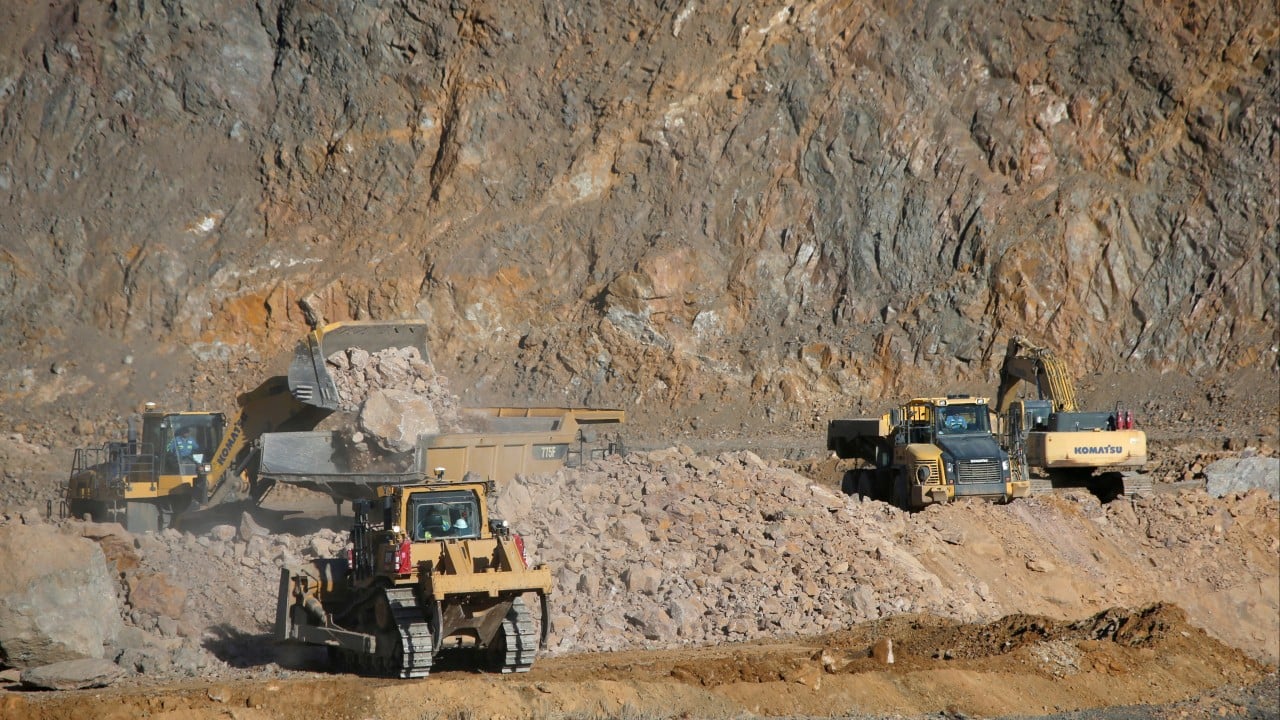
Historically, China has dominated the production of rare earth elements, which are crucial for high-tech applications in defense technology, aerospace, and electronics. The current predicament stems from ongoing trade disputes and a broader economic struggle between the US and China, particularly in sectors deemed vital for national security. The Trump administration's previous trade truce has failed to stabilize relations, and these curbs reflect a deeper strategic rivalry.
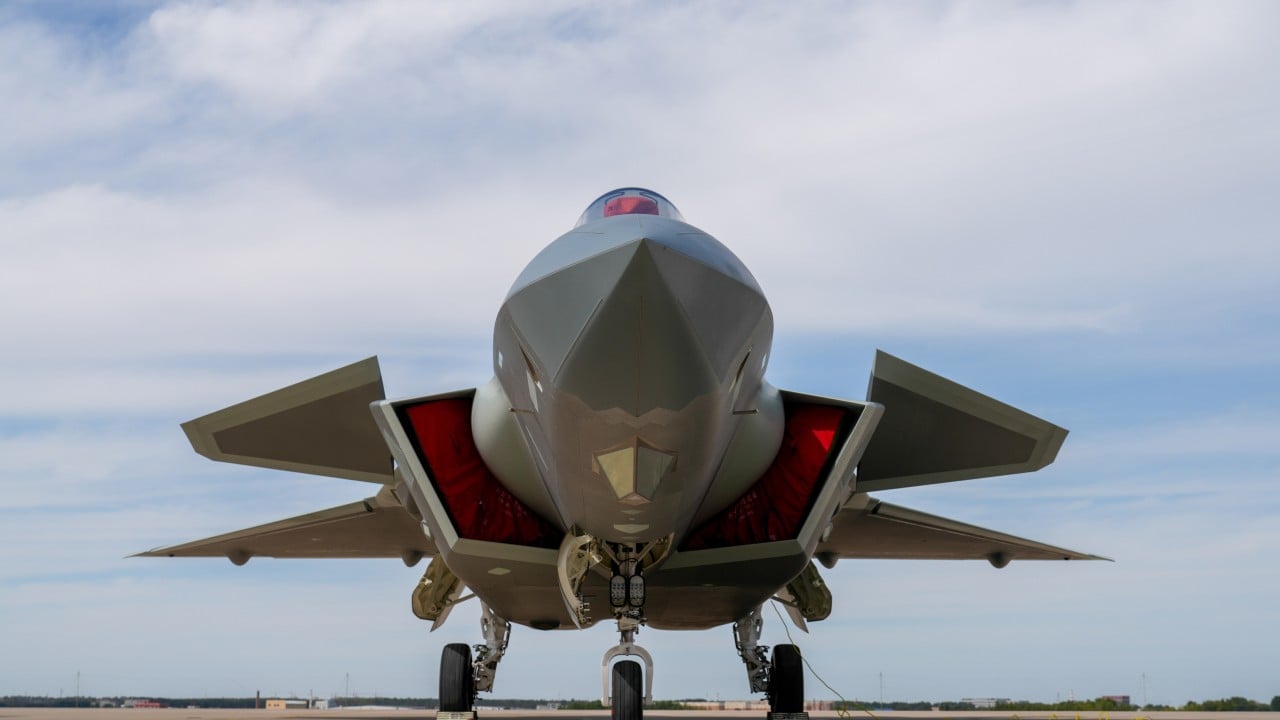
This crisis is significant as it exposes the vulnerability of US industries reliant on Chinese rare earths, particularly in the context of defense capabilities and technological advancement. Critical components for military systems and high-tech products hinge on materials like yttrium and scandium, and without secure access, the US risks falling behind in crucial areas, heightening national security concerns.
Key players include the Chinese Ministry of Commerce, which has implemented the export restrictions, and major US aerospace and semiconductor firms like Lockheed Martin and Intel. China's motivations appear to be both economic and strategic, as it seeks to leverage its rare earth monopoly during negotiations and assert dominance in technology sectors that underpin military superiority.
Recent data shows that China produces over 60% of the world's rare earth elements, with the US heavily dependent on imports for essential materials. The curbs particularly affect yttrium and scandium, used in advanced applications, which could shift production timelines and lead to increased costs. Estimates indicate potential delays in key projects, with long-term contracts becoming increasingly tenuous under these circumstances.
Consequences are likely to escalate; prolonged shortages could force US firms to scramble for alternative supply sources, potentially turning to less stable markets or investing heavily in domestic production, which is currently limited. Diplomatic fallout may also ensue if the US perceives this as a direct assault on its economic sovereignty, with retaliatory measures on trade or technology exports a real possibility.
This situation mirrors the historical struggle for control over strategic resources, reminiscent of the Cold War-era competition for rare materials. Failure to secure independent rare earth sources could lead to a repeat of past vulnerabilities where geopolitical tensions disrupted supply chains and hampered technological progress.
In the near term, watch for potential shifts in US trade policy, including efforts to incentivize domestic rare earth mining and processing. Intelligence indicators such as changes in import-export volumes and movements among Chinese suppliers may signal further escalations or shifts in strategy ahead of the Trump-Xi summit.