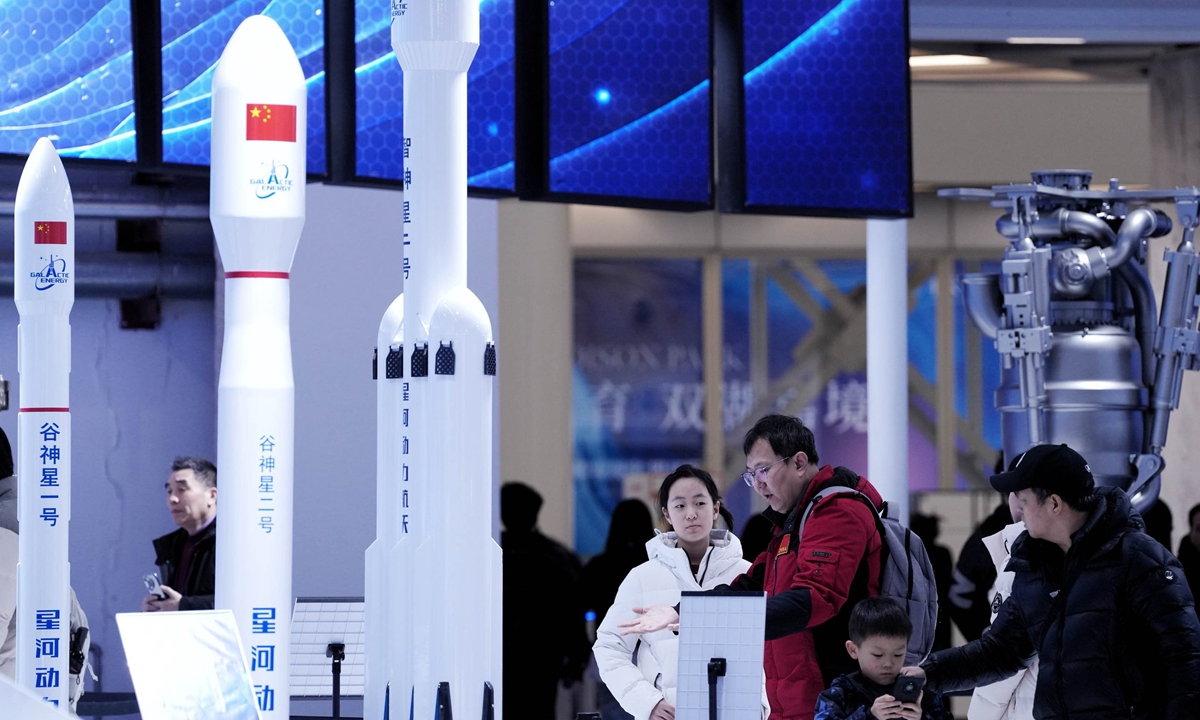
China is poised to launch its next lunar mission later this year, as confirmed by state media. This ambitious endeavor, part of the country's extensive space program, underscores Beijing's strategic intentions to establish a dominant presence in space. The Chinese National Space Administration (CNSA) has not disclosed specific launch dates or mission objectives, but the planned moonshot will significantly advance China’s lunar exploration capabilities.
Historically, China has rapidly expanded its space program since the early 2000s, culminating in significant achievements such as the successful Chang'e 4 mission, which became the first-ever to land on the far side of the Moon in 2019. Recent developments have seen China establishing itself as a formidable competitor to the United States, Russia, and other space-faring nations. The intensification of China's space endeavors aligns with its broader geopolitical ambitions, which include strengthening national security and technology leadership.
This imminent moonshot is significant as it could exacerbate ongoing tensions between China and the United States, particularly in the context of space militarization and the race for resources on the Moon. China's lunar exploration program aims not only for scientific discovery but also serves as a clear message of its technological advancements and strategic capabilities in a sphere traditionally dominated by Western powers. The potential for conflict over lunar resources and the militarization of space must be viewed through this prism of intensified rivalry.
The key actors in this scenario include the Chinese Communist Party (CCP), which utilizes the space program as a vehicle for national pride and international prestige, and the United States, which has increasingly viewed China’s advancements in space as a direct challenge to its global leadership. Russian and European interests also loom large, seeking to maintain relevance amid growing Chinese dominance. All parties are likely reevaluating their strategic positions in response to China's bold moves.
In terms of specifications, details surrounding the upcoming mission have yet to be released, but the deployment of advanced technologies including new spacecraft and rover designs is anticipated. China's past missions have utilized the Chang'e series of lunar vehicles, which have been lauded for their advanced science payloads and operational success. Investment in the space sector is soaring, with the CNSA expected to receive a multi-billion-dollar budget for this mission and future lunar ambitions.
The consequences of this mission could be far-reaching, potentially igniting a new phase of lunar exploration that spurs renewed competition among major powers. As nations race to assert their presence on the Moon, scenarios leading to territorial claims and resource disputes could emerge. Moreover, the moonshot could precede escalated military maneuvers in outer space, leading to heightened vigilance from global defense communities.
Historical parallels can be drawn to the space race of the 1960s when the U.S. and the Soviet Union competed for dominance in space exploration. China’s renewed lunar ambitions echo these past rivalries but extend into contemporary security concerns over space as a theater for strategic competition. This trend indicates that space exploration is not merely a scientific endeavor but one that carries significant military and political implications.
Looking ahead, the international community must monitor China’s space activities closely. Key indicators would include collaboration or reactions from other leading space powers, the speed of technological advancements made by the CNSA, and potential retaliatory measures from the U.S. and its allies aimed at countering China's space momentum. The upcoming launch will be a litmus test for the geopolitical landscape in outer space.