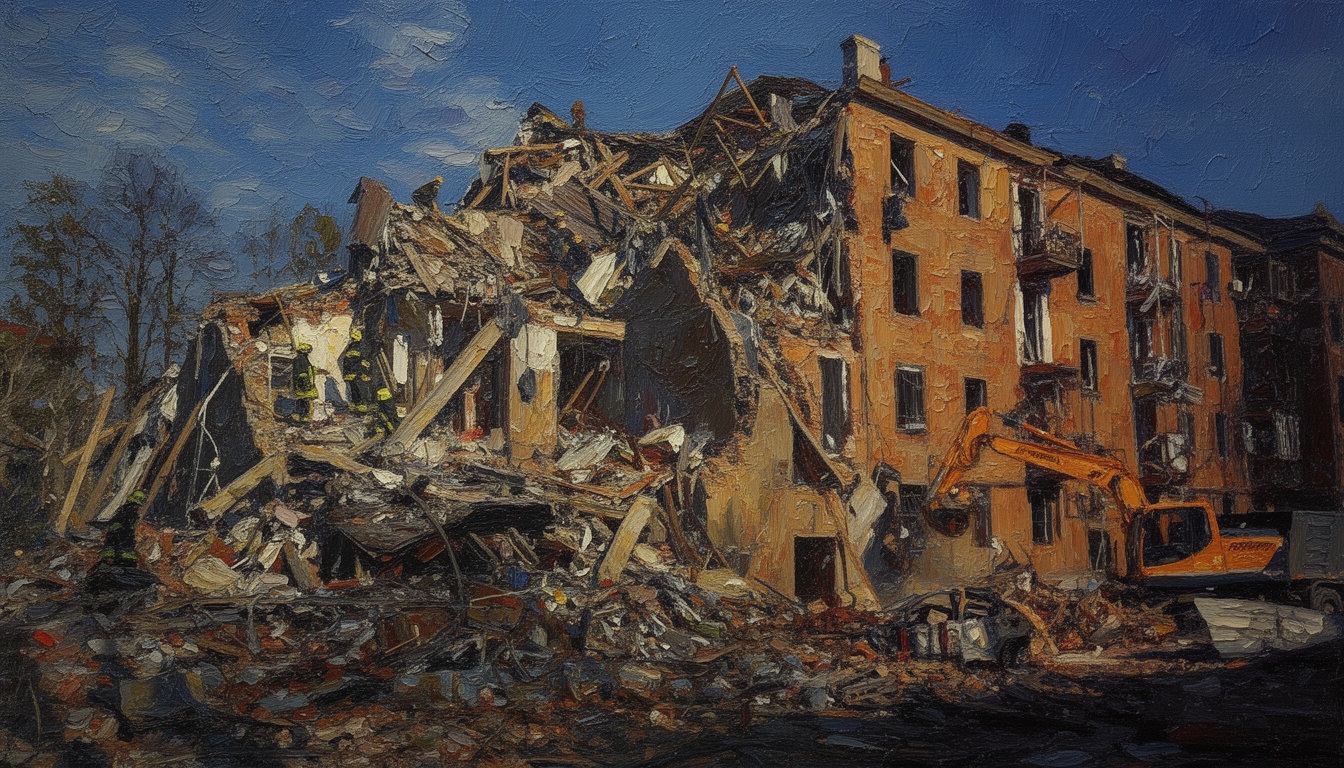
The day-long violence touching Ukrainian-held areas, occupied territories, and the Russian Federation produced a grim toll of at least 16 dead, according to local authorities. The strikes coincided with the 40th anniversary of the Chernobyl nuclear catastrophe, a milestone that has revived warnings about the vulnerability of the plant and surrounding facilities to military action. Officials described a volatile landscape in which frontline and rear areas remained exposed to bombardment, complicating safety protocols and monitoring efforts. The anniversary provided a stark frame for observers assessing risk to a facility with long-term radiological consequences if compromised.
Background context: The Chernobyl site—still hosting some irradiated inventory and ongoing decommissioning activities—has long been a symbol of the dangers inherent in contested control of nuclear sites and critical infrastructure. The Russian invasion, now in its fourth year, has seen repeated episodes of artillery, drone activity, and ground operations in proximity to the exclusion zone and related infrastructure. International and local authorities have repeatedly warned that any escalation near the plant could have regional spillover effects, including displacement pressures, contamination concerns, and heightened demand for emergency response capabilities. The anniversary thus sharpened concerns among neighboring states and global observers about the resilience of safety systems under sustained conflict conditions.
Strategic significance: The strikes highlight a recurrent vulnerability at the intersection of conventional warfare and critical energy and radiological safety. As Moscow seeks to secure leverage across southern and eastern fronts, incidents near or within the Chernobyl corridor carry outsized strategic weight: they test the robustness of radiation monitoring networks, the integrity of cooling and containment regimes, and the capacity of Ukrainian authorities to maintain access to the site for ongoing oversight. For NATO partners and regional powers, the incidents raise risk assessments about escalation control, alliance commitments to non-proliferation and safety assurances, and the potential for miscalculation in a densely weaponized environment.
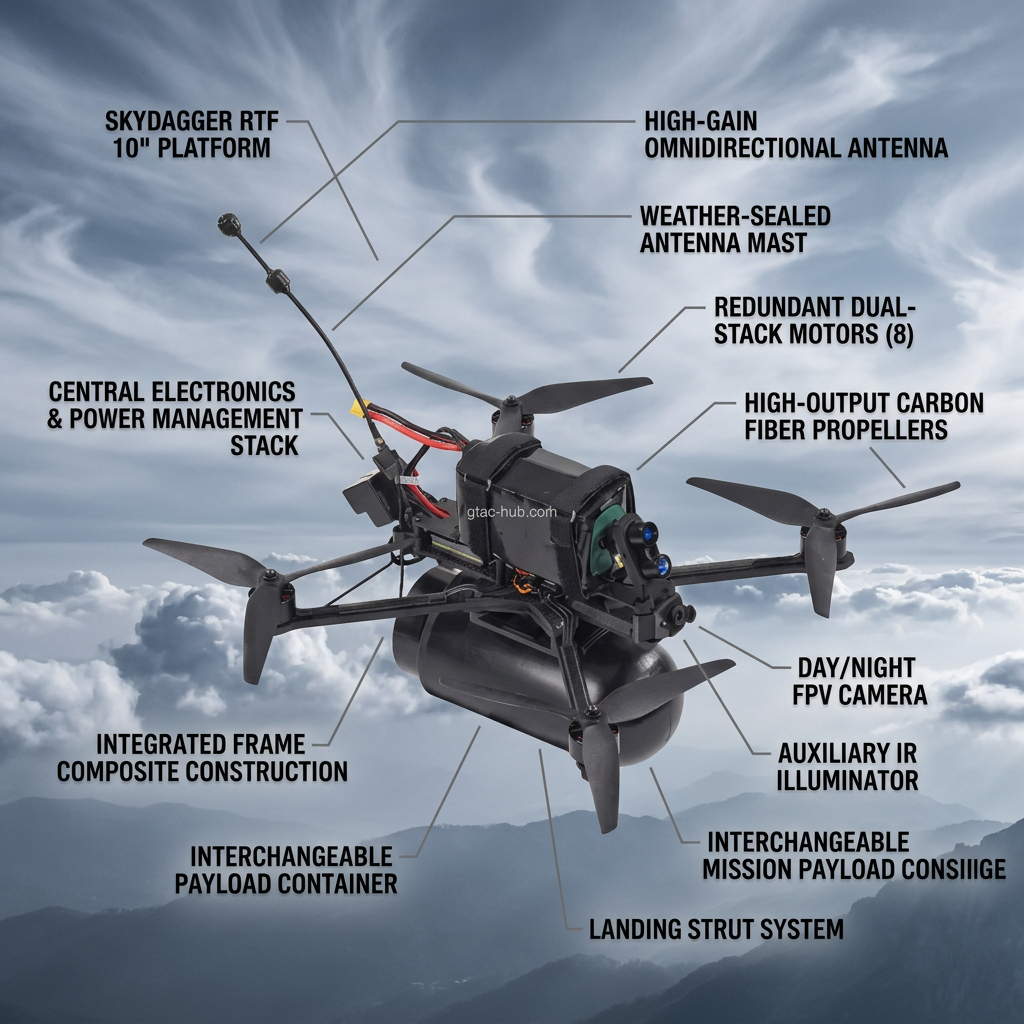
Technical and operational details: While casualty figures are the immediate focus, the episode draws attention to the operational posture around the Chernobyl and Zaporizhzhia regions. The site’s day-to-day safety depends on a combination of international oversight, Ukrainian regulatory control, and reinforced security around backup power, cooling systems, and backup generators. The strikes in the surrounding areas imply continued use of long-range precision, artillery, and drone assets by diverse actors, with implications for radiation monitoring sensors, access roads, and emergency response mobilization. Budgetary and logistical pressures may influence maintenance cycles, replenishment of radiation monitoring equipment, and the ability to sustain multi-actor oversight along the perimeter.
Forward assessment and consequences: In the near term, expect renewed international calls for de-confliction measures, greater transparency on the status of the facility, and enhanced safety drills in the affected jurisdictions. The incident potentially affects regional energy security calculations, given the prominence of nuclear safety narratives in deterrence strategies and diplomatic signaling. If strikes persist or widen in proximity to the plant, humanitarian and environmental consequences could escalate, prompting broader coalitions to push for safe corridors, ceasefires near sensitive sites, and robust inspections. Analysts will monitor containment system integrity, cross-border emergency planning, and the tempo of military operations around critical infrastructure as indicators of whether the risk remains contained or shifts toward a broader radiological crisis.