
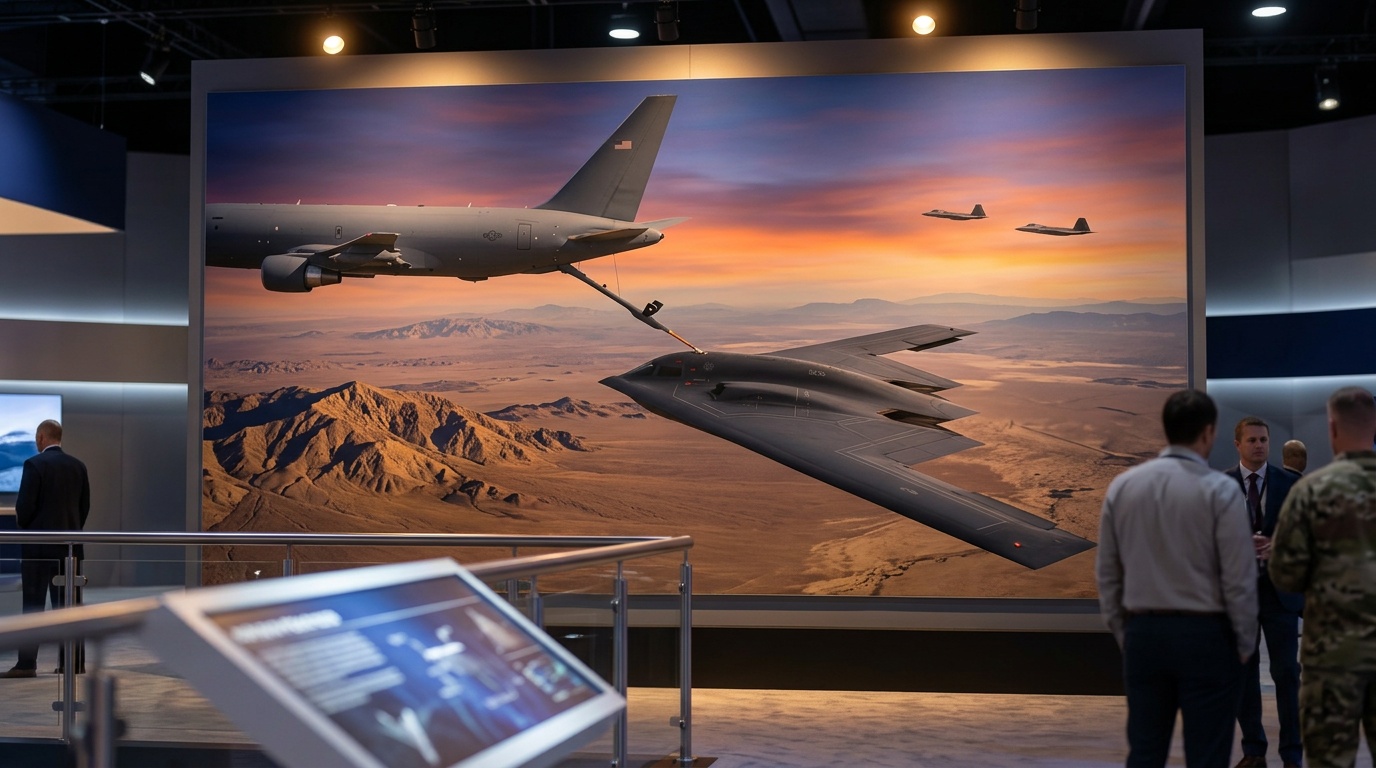
{"introduction":"On March [date omitted], the United States Air Force (USAF) demonstrated its forward-looking capabilities by conducting a mid-air refueling of the prototype B-21 Raider over the Mojave Desert. This event coincided with simultaneous bombing operations involving the B-1, B-2, and B-52 bombers targeting Iran, showcasing a coordinated and multifaceted approach to modern warfare.","b-21_raider_details":"The B-21 Raider, developed by Northrop Grumman, is shaping up to be a cornerstone of the USAF's future fleet of long-range strike bombers. Designed to be highly stealthy and capable of penetrating advanced air defense systems, the B-21 is built with advanced systems that allow it to perform a variety of missions including precision strikes and intelligence, surveillance, and reconnaissance (ISR). The recent aerial refueling is a testament to its operational readiness and compatibility with existing tanker aircraft such as the KC-135R Stratotanker.","technological_signature":"The technical specifications of the B-21 Raider highlight its modern approach to warfare. It incorporates advanced stealth features, an open architecture that supports future upgrades, and high payload capacity, which can carry both conventional and nuclear munitions. Its ability to integrate with other platforms enhances its usefulness across joint operations, supporting a network-centric warfare strategy that is indicative of contemporary military philosophy.","strategic_significance":"The dual demonstration of the B-21 alongside legacy bombers in a high-stakes operational scenario underscores the USAF's commitment to maintaining air dominance. The ability to use both advanced and established platforms simultaneously allows for greater tactical flexibility and leverages the strengths of each aircraft. This incident not only serves as a reminder of the evolving nature of military airpower but also as a warning to potential adversaries regarding the USAF's robust strategic capabilities.","manufacturer_context":"Northrop Grumman's push for the B-21 Raider signals significant investment in next-generation defense technology. With its introduction in the mid-2020s, the Raider is expected to replace aging bombers and fill critical roles in the USAF's long-term strategic framework. The test patterns observed in recent operations indicate that the B-21 is on track for a transformational impact on how the USAF conducts long-range bombing missions, ensuring readiness for complex global threats."}
ARAŞTIRMA
B-21 Raider Conducts Mid-Air Refueling During USAF Operations
KUZEY AMERİKA
YÖNETİCİ ÖZETİ
The USAF's B-21 Raider prototype was observed mid-air refueling, coinciding with operations involving legacy bombers against Iran. This marks a significant milestone in the development of next-generation strategic bombers.
RELATED SYSTEM
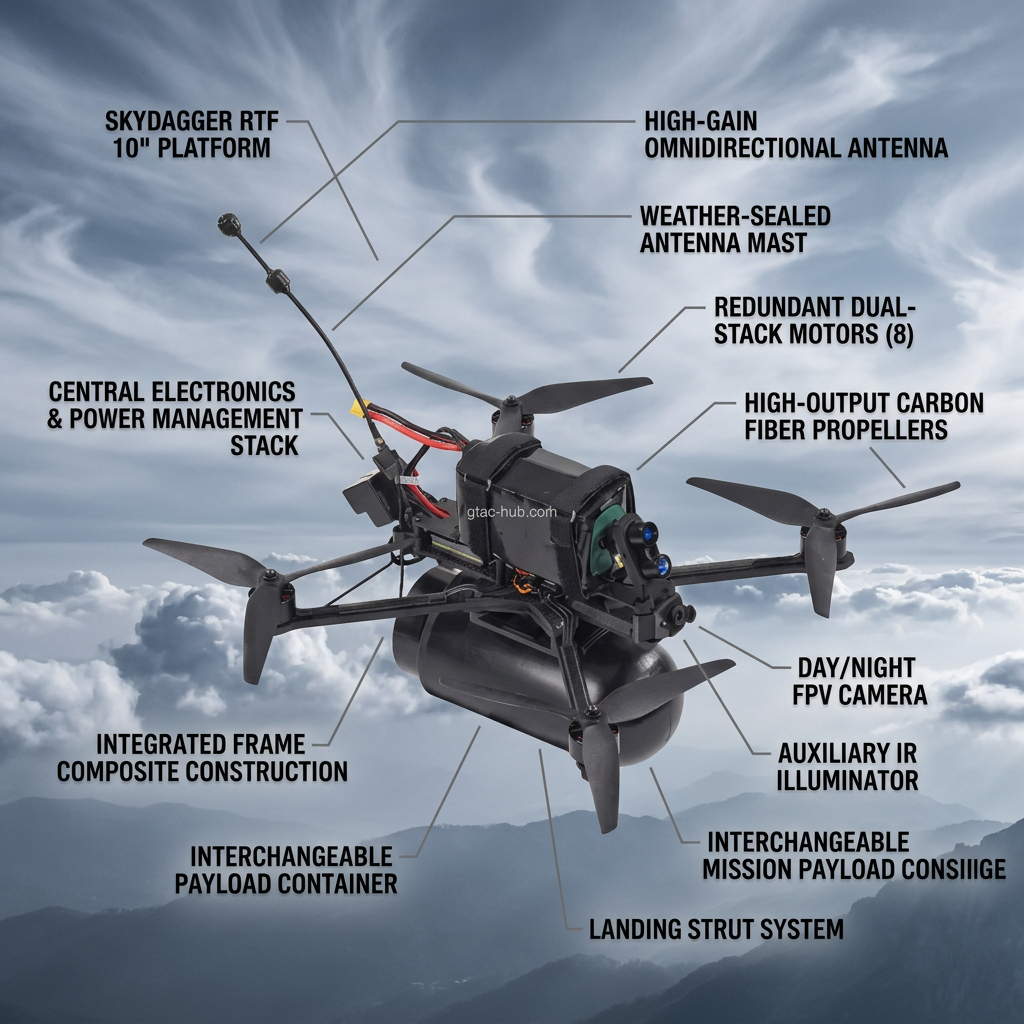
Skydagger
Skydagger RTF 10"
FPV DRONEVIEW SYSTEM
SPONSORED
KAYNAK İSTİHBARATI
İLGİLİ İSTİHBARAT
KUZEY AMERİKA
YENİ TEKNOLOJİLER
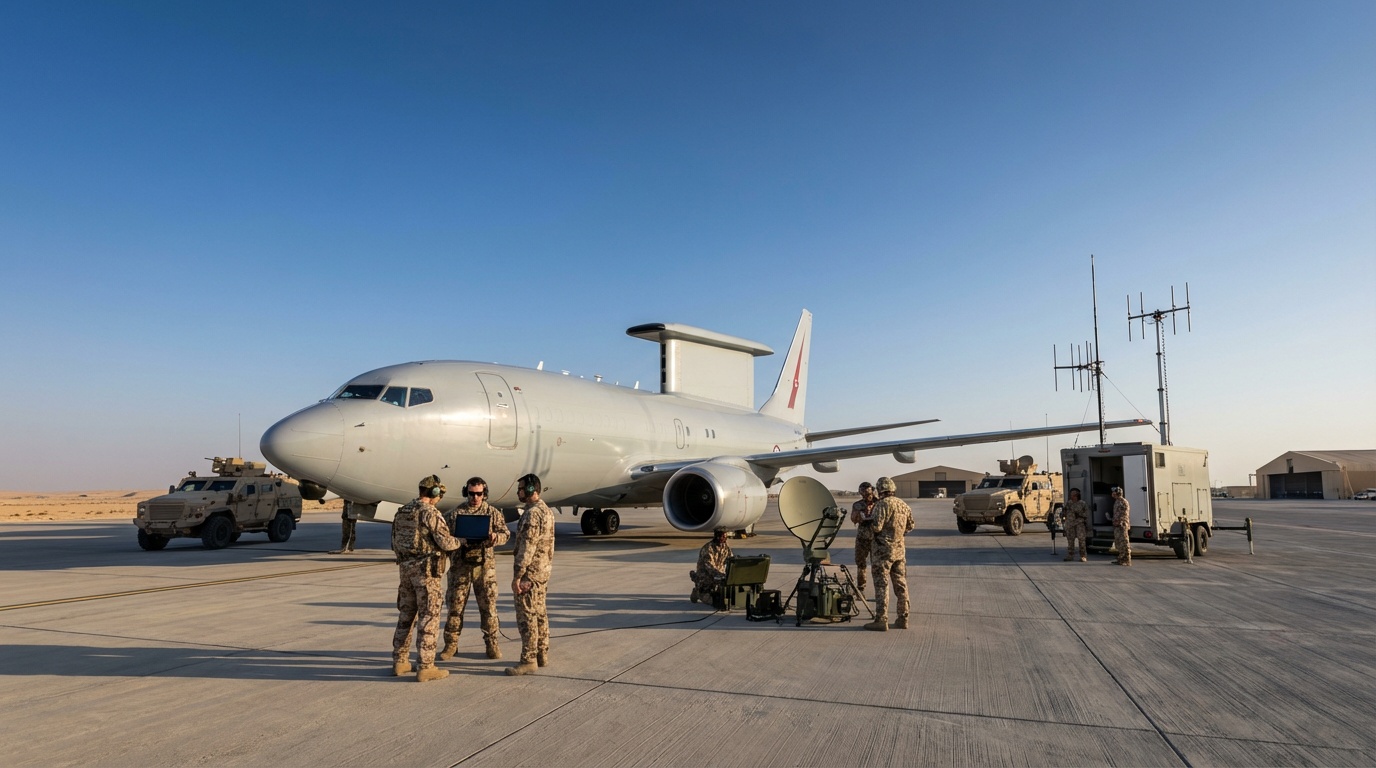
Avustralya, E-7 Wedgetail ile U.S. Operasyonlarını Güçlendiriyor
Avustralya, E-7 Wedgetail gözetim uçağını BAE'ye konuşlandırarak Körfez bölgesindeki hava sahası gözetimini artırmayı hedefliyor. Bu gelişmiş erken uyarı platformu, İran ile devam eden gerilimler arasında U.S. askeri operasyonlarına destek sağlıyor.
90 GÜN ÖNCEOKU

KUZEY AMERİKA
YENİ TEKNOLOJİLER
Space Force’s two new cyber squadrons to defend space launch operations
“Our adversaries […] are constantly looking for ways to deny, disrupt or destroy our ability to launch,” Maj. Torius Davis said.
84 GÜN ÖNCEOKU