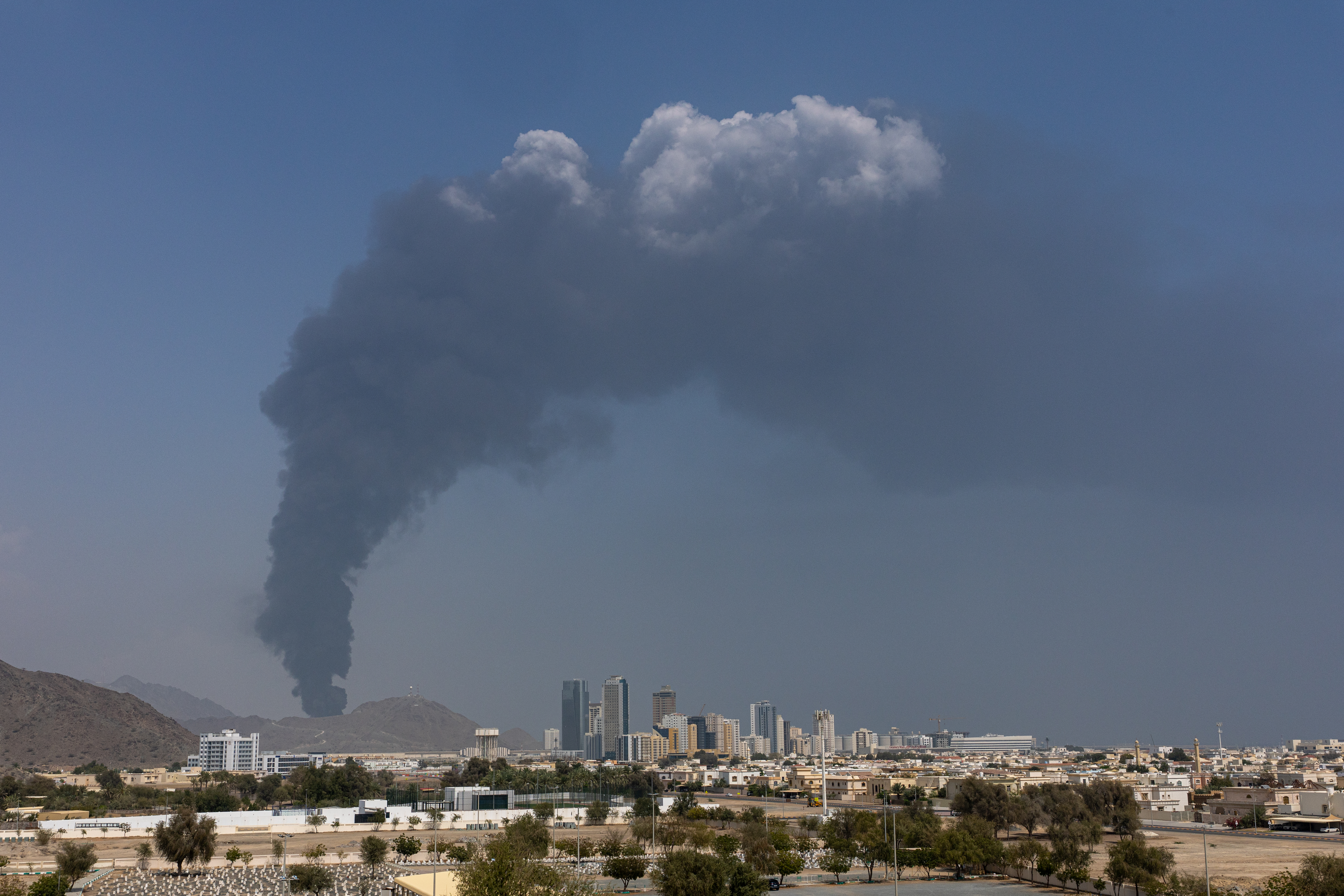
Australia has deployed the advanced E-7A Wedgetail airborne early warning and control aircraft to the United Arab Emirates (UAE) in response to growing Iranian drone and missile threats. This deployment is a direct reaction to recent attacks on UAE infrastructure, signaling a serious escalation in Australia’s military engagement in a region where it has traditionally maintained a more passive stance. The aircraft is intended to bolster aerial reconnaissance capabilities, improve situational awareness, and enhance the UAE's airspace security against potential Iranian aggression.
The backdrop to this deployment is a long-standing history of tensions between Iran and Gulf Arab states, particularly regarding Tehran's increasing military assertiveness. Over the past years, Iran has escalated its military operations, including drone strikes and missile attacks on both civilian and military installations in the region. The UAE itself has been targeted, highlighting the precarious security environment in the Persian Gulf, where Iranian influence continues to grow amidst a backdrop of international concern regarding its missile capabilities and drone warfare tactics.
This initiative is particularly significant as it signals a shift in Australia’s foreign policy, moving from a primarily defensive posture to a more proactive military role in Middle Eastern affairs. The presence of the E-7A Wedgetail, which can track and target multiple aerial threats simultaneously, highlights strategic vulnerabilities faced by regional allies. This deployment increases the risk of confrontation between Iranian forces and coalition partners, potentially destabilizing an already fraught geopolitical landscape.
Key actors involved include the Australian government, which seeks to reinforce its role as a security partner in the Middle East, and Iran, which views foreign military presence as a direct threat to its sovereignty. In this scenario, Australia’s deployment is likely driven by a desire to reassure Gulf allies and counteract Iran’s increasingly bold military posture. Iran's leadership might perceive such actions as provocative, prompting aggressive responses in the form of escalated military activities or retaliatory strikes on perceived threats.
From an operational standpoint, the E-7A Wedgetail is equipped with sophisticated radar systems capable of detecting aerial threats over a vast range—up to 400 kilometers. This capability enables real-time data sharing with U.S. and allied forces, facilitating a coordinated defense against Iranian missiles and drones. The aircraft's deployment adds a significant technological edge to coalition forces, particularly in monitoring Iranian naval and aerial activities around the Strait of Hormuz, a critical oil transit chokepoint.
Considering the precarious nature of Iran's regional environment, the consequences of this deployment could usher in new escalation pathways. Should this military engagement provoke Iran, retaliation could involve attacks on UAE infrastructure or increased proxy activities across the region. The potential for miscalculation is high, especially in a region marked by rapid military responses and the pervasive influence of asymmetric warfare tactics further complicating direct confrontations.
Historical precedents, such as the Gulf of Tonkin incident, demonstrate how heightened military presence can spiral into conflict. The current situation echoes earlier military escalations where heightened surveillance and intelligence-sharing efforts inadvertently led to military confrontations between great powers and regional actors. The substantial historical context of U.S. military deployments in the Persian Gulf should serve as a cautionary reminder of the potential pitfalls in Australia’s forthcoming military role.
Looking ahead, the critical indicators to observe will include Iran’s military responses and any increase in drone or missile activity targeting UAE interests. Additionally, international reactions—particularly from the United States and other regional powers—will define the strategic landscape. Increased military preparations by Iran or its proxies could further heighten tensions, necessitating a reevaluation of Australia’s military commitments in the region as diplomatic avenues continue to dwindle.