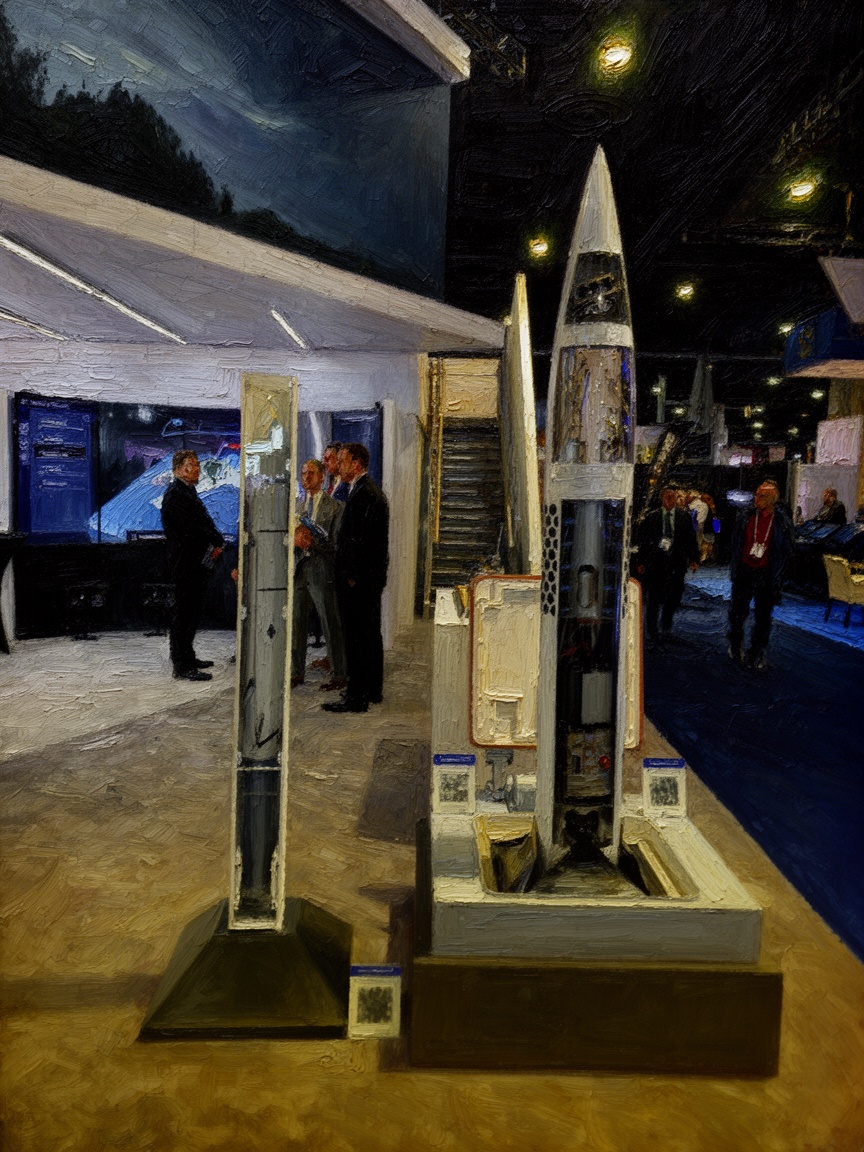
Rheinmetall, Germany's leading defense manufacturer, has announced a predicted annual order boom of $16.8 billion, directly linking this surge to the 'tense security situation' in Europe. The company declared it would 'focus entirely' on defense, marking a decisive pivot amidst growing geopolitical threats. Such a steep increase in military contracting signals a critical moment for European defense strategies and capabilities.
This announcement comes in the wake of heightened tensions across Europe, particularly due to Russia's aggression in Ukraine and ongoing instability in the Balkans. Historic underinvestment in European military capabilities has left many nations scrambling to bolster their defenses. Rheinmetall's aggressive projection reflects a broader recognition among European nations that they must enhance their military readiness in the face of looming threats.
The implications of Rheinmetall's forecast are profound, potentially shifting the balance of military power within Europe. As more nations invest heavily in defense capabilities, vulnerabilities in national security could be exacerbated as reliance on military deterrence increases. This colossal influx of funding into the defense sector could also crowd out investments in other critical areas, such as social programs or infrastructure, which could create domestic instability.
Key actors in this landscape include not only Rheinmetall but also European governments that are increasingly willing to commit large portions of their budgets to military spending. The motivations of these governments are clear: they are responding to perceived existential threats and a reassertion of Russian military power. This strong pivot illustrates a collective urgency to enhance defense capabilities without prioritizing dialogue or diplomacy.
On a technical level, Rheinmetall’s increased revenue would facilitate a rapid expansion of their production capabilities for advanced weapon systems, including the Boxer armored vehicle and the Lynx infantry fighting vehicle. The forecast indicates increased hiring and investment in military R&D, aligning with NATO's goal of meeting the 2% GDP defense spending benchmark. Such developments could see Rheinmetall's production quadruple over the next several years as a direct response to growing defense demands.
The consequences of Rheinmetall's defense order boom could lead to a broader arms race in Europe. As nations ramp up their own defensive capabilities, an arms buildup could lead to heightened tensions, and military confrontations may become an inevitable reality. Furthermore, as supply chains for military equipment strain under increased demand, nations may find themselves in competition for resources and technology.
Historical parallels can be drawn to the late 1930s when European nations, recognizing the growing threat from totalitarian regimes, rapidly militarized. The echoes of that period serve as warnings about the rapid escalation of arms procurement, potentially leading to systemic conflict. Learning from history, today’s militarization should act as a sobering reminder of the fragility of peace amid rising geopolitical threats.
Looking ahead, key indicators to watch include shifts in European government defense budgets as nations respond to Rheinmetall's predictions. Increased procurement requests and defense industry collaborations may reveal valuable insights into emerging military strategies. As the situation evolves, one must keep their eye on whether this defensive posture translates into collaborative regional defense initiatives or merely heightens existing divisions in Europe.