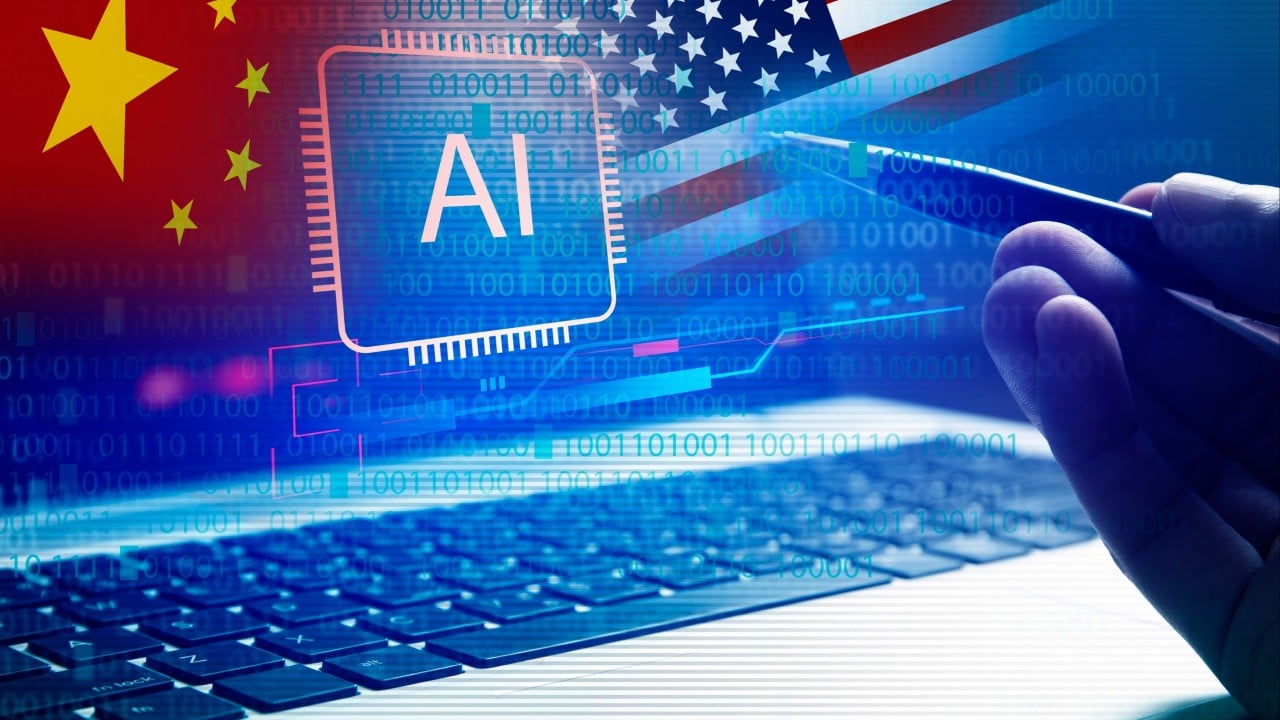
Oil Shock Spurs Renewables; China to Gain Strategically
ОБОРОННАЯ ВЫСТАВКА

Oil Shock Spurs Renewables; China to Gain Strategically

Фото: South China Morning Post
Северная Америка
КРАТКОЕ РЕЗЮМЕ

The Iran conflict has escalated energy security risks for oil-dependent nations, accelerating the shift towards renewable technologies. This structural change favors China, as its renewable energy exports are positioned to offset higher oil import costs.

The ongoing Iran war has introduced a profound oil shock, elevating the vulnerability of countries heavily reliant on hydrocarbon imports. This volatility has prompted a strategic pivot to renewable energy sources, viewed as more stable long-term alternatives. Beyond short-term oil price spikes, the conflict underlines the recurring nature of geopolitical risks in fossil fuel supply chains, justifying sustained investment in renewables.

China stands out as the preeminent beneficiary of this transformation. With approximately one-fifth of global oil and LNG supplies and a third of seaborne fertilizers linked to conflict-affected regions, the incentive to diversify energy and agricultural inputs is palpable worldwide. China’s robust manufacturing base and advanced photovoltaic and wind power technology sectors are likely to see heightened demand.

Chinese exports of solar panels, wind turbines, and battery storage solutions are projected to perform strongly this year, compensating for the economic pressure of more expensive oil imports. The country's policy focus on clean energy innovation and export orientation positions it as a global hub accelerating the renewable transition.

Strategically, this shift enhances China’s geopolitical influence by reducing its energy import vulnerabilities and expanding its economic footprint in critical clean energy technologies. Manufacturers such as long-established state-owned enterprises and innovative private firms alike are capitalizing on increased global infrastructure investments related to the renewable sector.

In summary, the Iran-induced oil shock accelerates a structural energy transition, with China emerging as the primary winner. This development has significant implications for global energy security, trade balances, and defense-related industrial capabilities tied to energy independence and technology leadership.
ИСТОЧНИКИ РАЗВЕДКИ
СВЯЗАННЫЕ РАЗВЕДДАННЫЕ
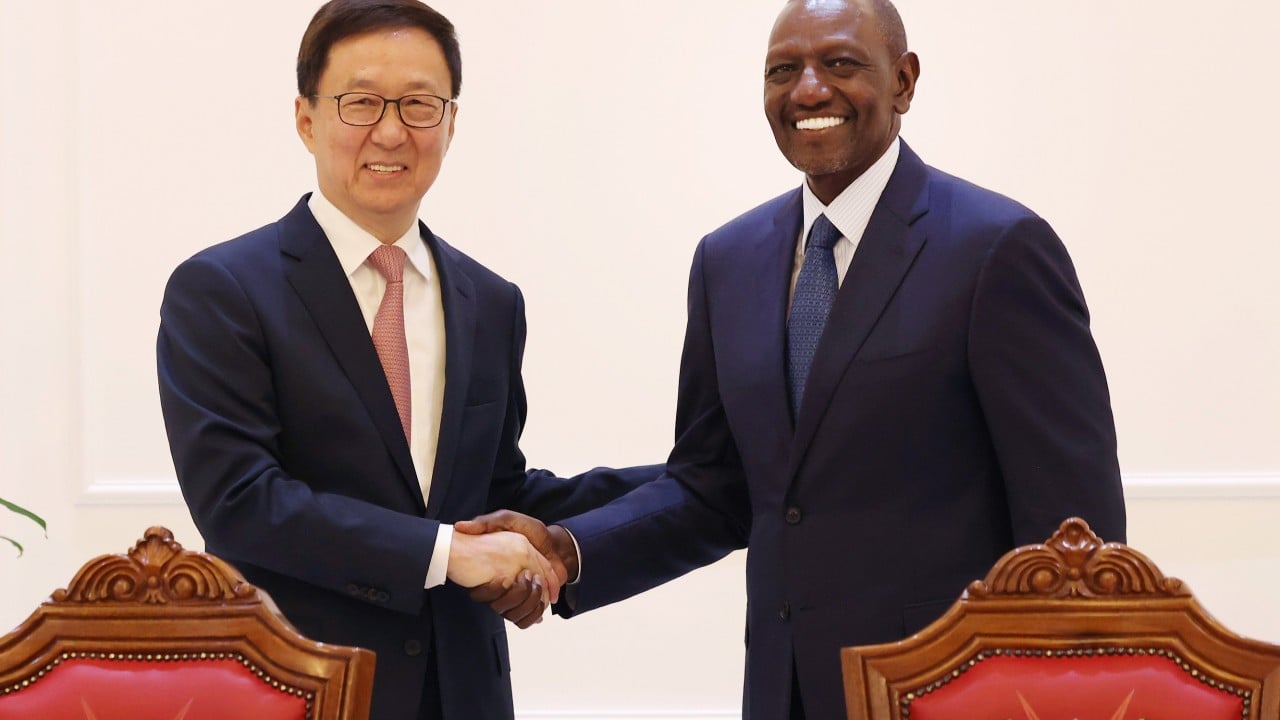
Kenya Secures China Trade Deal Amid Debt and US Rivalry
СЕВЕРНАЯ АМЕРИКА
ПАРТНЁРСТВО

Kenya Secures China Trade Deal Amid Debt and US Rivalry

Kenya finalized a trade and infrastructure financing agreement with China, including duty-free access for key exports. However, concerns over increasing debt levels and strategic competition with the US present complexities for Nairobi's deeper engagement with Beijing.

13Д НАЗАДЧИТАТЬ
China Urges Firms to Foster Healthy Competition Overseas
СЕВЕРНАЯ АМЕРИКА
ОБОРОННАЯ ВЫСТАВКА

China Urges Firms to Foster Healthy Competition Overseas

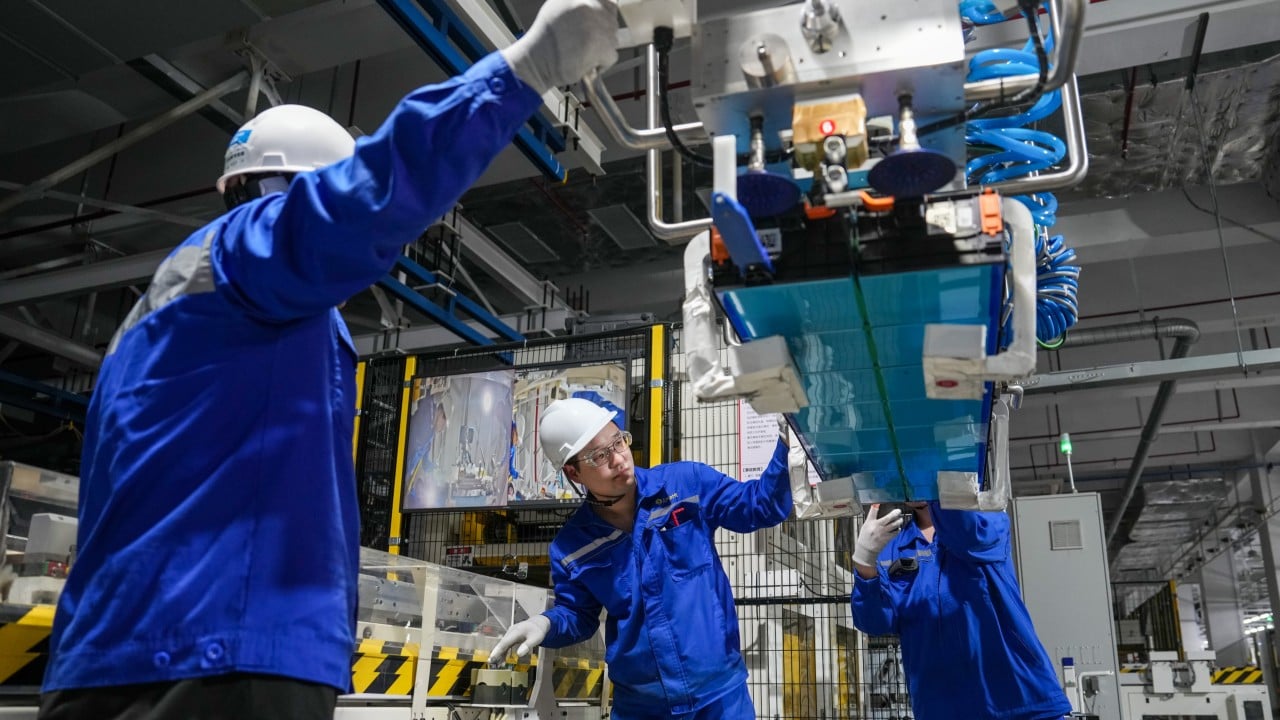
China's market regulator has instructed major companies such as BYD and CATL to ensure fair competition practices during international expansion. This directive comes amid increased allegations regarding subsidies, dumping, and unfair trade tactics by Chinese firms in global markets.

13Д НАЗАДЧИТАТЬ
China Calls for Boycott of US AI Conference Over Sanctions
СЕВЕРНАЯ АМЕРИКА
ИССЛЕДОВАНИЕ

China Calls for Boycott of US AI Conference Over Sanctions

China's Computer Federation urges researchers to boycott a prominent US AI conference following a ban on submissions from US-sanctioned entities, including Huawei. This reflects heightened tensions in US-China relations within the strategic AI sector.

14Д НАЗАДЧИТАТЬ
China Develops First Silicon Chip for Fault-Tolerant Quantum Computing
ВОСТОЧНАЯ АЗИЯ
ОБОРОННАЯ ВЫСТАВКА

China Develops First Silicon Chip for Fault-Tolerant Quantum Computing

Chinese researchers have successfully demonstrated a silicon-based quantum chip capable of executing a complete set of error-detecting logical operations. This milestone represents a critical advancement towards fault-tolerant quantum computing, previously achieved only on superconducting platforms.

13Д НАЗАДЧИТАТЬ