Following Israel's historic recognition of Somaliland on December 26, 2025, analysts warn that the strategic Berbera port could become a target for Iranian aggression. This recognition intensifies geopolitical rivalries, with Tehran likely viewing the development as a direct challenge to its influence. Israeli officials envision Berbera as crucial for regional trade, but the implications stretch far beyond mere economic interests.
The recognition of Somaliland marks a significant shift in regional geopolitics, as it's the first time a country has acknowledged Somaliland's sovereignty. Historically, Somaliland has sought international legitimacy since it declared independence from Somalia in 1991. With Israel at the forefront, this move could not only bolster Somaliland's security but also alter the dynamics of the Horn of Africa by drawing in additional foreign support and investment.
This situation highlights the rising tensions in the region, with Iran potentially seeking to retaliate against perceived encroachments by Israel. The prospect of Iranian proxies operating in the Horn of Africa raises alarms about new conflict scenarios that could involve regional powers and international stakeholders. Berbera's strategic location near critical maritime routes places it at the epicenter of a potential crisis, as Tehran historically reacts aggressively to any threats to its influence.
Israel's motives are multifaceted; by supporting Somaliland, Israel likely aims to secure a foothold in a strategic area while also countering Iranian influence. Furthermore, collaboration with Somaliland may offer Israel an alternative supply route compared to its reliance on the Suez Canal. Conversely, Iran’s motivations center on maintaining its regional power status and undermining adversaries, especially in the wake of the normalization of ties between Israel and key Arab states.
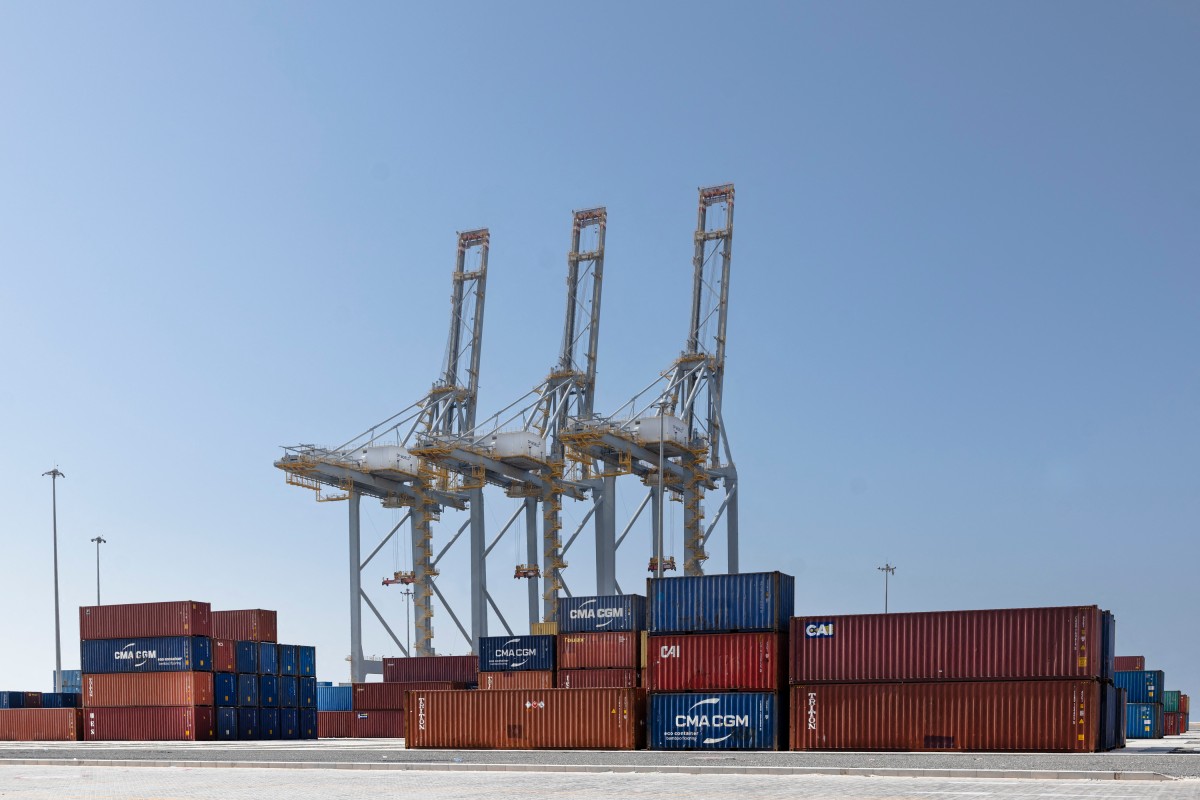
Operationally, Berbera port's development is already in progress, with Israeli firms involved in enhancing its capacity. The recent investments are projected to amount to nearly $200 million, elevating Berbera to a central logistics hub. With improvements in its capacity, Berbera could handle larger cargo volumes, making it essential for trade between Africa and the Middle East, intensifying the stakes for Iranian interference.
The likelihood of Iran escalating hostilities cannot be ignored, as its history shows a pattern of responding to challenges through proxies, especially in the Red Sea area. Escalation scenarios could involve missile threats targeting Berbera or support for insurgent groups aimed at destabilizing Somaliland’s governance. This situation necessitates close monitoring of Iranian naval movements and regional proxy activities as both sides prepare for heightened tensions.
Historically, the Horn of Africa has been a theater for various power struggles, where foreign recognition and support can trigger significant local conflicts. Previous interventions in Somalia, the former state of Eritrea and Ethiopia's Tigray conflict illustrate how external recognition can sow discord and invite violence, resulting in prolonged instability.
Moving forward, key indicators to observe include Iranian military deployments in the Gulf of Aden and potential partnerships with Somali factions that oppose Somaliland's independence. Furthermore, diplomatic engagements among regional powers like Saudi Arabia and the UAE could alter the future balance. Continued tensions at Berbera will signify whether Iranian influence expands or if Somaliland can leverage its newfound recognition to bolster its sovereignty against external threats.