
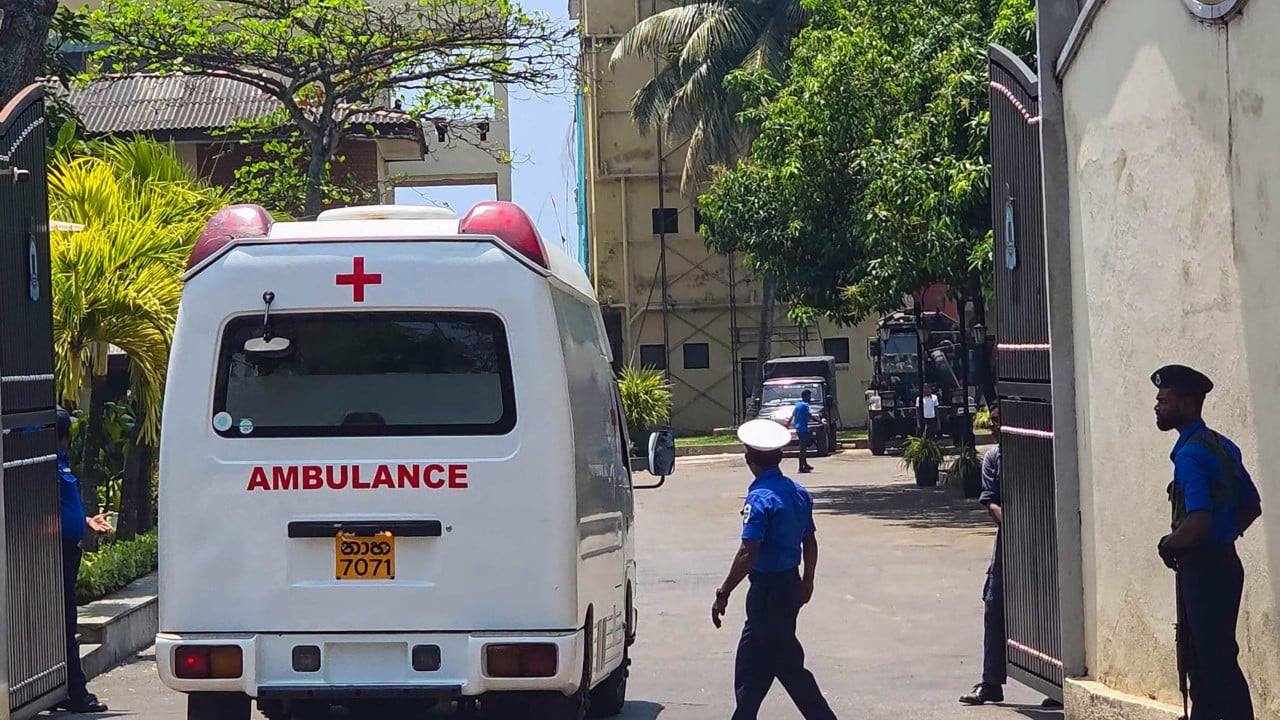
The Iranian frigate IRIS Dena has sunk just outside Sri Lanka's territorial waters, prompting a dramatic response as Sri Lankan forces rescued 32 sailors reported to be critically wounded. The vessel sent out a distress signal at dawn before submerging, yet the precise cause of the sinking remains unknown. This incident represents a critical escalation in naval incidents that could have broader implications for maritime security in the region.
Background leading to the incident is rooted in rising tensions in the Indian Ocean. Iran has been increasingly assertive in its naval operations, often clashing with other regional powers over shipping routes and territorial claims. The IRIS Dena, a Khareef-class frigate, was previously involved in various naval exercises, indicating Iran's intent to bolster its presence in crucial maritime areas. Such incidents reflect a growing trend of military activities in a region marked by strategic maritime chokepoints and significant international shipping lanes.
This incident is significant as it exposes vulnerabilities within Iran’s naval capabilities and raises alarms about the safety of international maritime operations in the area. The sinking of a military vessel, especially one under the Iranian flag, could stir heightened tensions between Iran and other regional naval forces. Furthermore, the critical condition of the rescued sailors heightens the urgency for accountability and potential calls for investigations into the underlying causes.
Key actors in this crisis include Iran, which is likely motivated to downplay the incident to maintain its naval prestige, and Sri Lanka, which is caught in a precarious position balancing regional powers. Iran may attempt to leverage this incident to rally domestic support while portraying a narrative of external threats. For Sri Lanka, effective management of the situation is crucial to maintain its neutrality amid potential fallout.
Specifically, the IRIS Dena was part of Iran's naval modernization efforts, equipped with surveillance systems and capable of anti-surface warfare. The reported 180 crew members highlight the scale of the incident, emphasizing the potential loss of skilled personnel aboard the frigate. The urgency of the rescue operation underscores the strategic significance of such vessels in regional power dynamics.
Expected repercussions could include a surge in naval deployments in the Indian Ocean by Iran as it seeks to assert its capabilities following this incident. Additionally, the possibility of retaliatory actions against perceived threats or involvement by foreign powers in the region could escalate tensions further. An investigation into the incident could also reopen discussions regarding maritime security protocols among nations operating in or near these waters.
Historically, maritime accidents involving military vessels have often led to escalations, as seen in previous naval confrontations between regional rivals. The sinking of the IRIS Dena could serve as a precedent for similar disputes, particularly as Iran's maritime posture remains assertive and potentially confrontational. This incident draws parallels to events where incidents in navigable waters have precipitated broader military conflicts.
Looking ahead, the focus will be on monitoring Iran's naval response and any international implications arising from this incident. Intelligence indicators to watch include changes in naval deployments by Iranian forces, moves to solidify maritime alliances, and any implications for shipping safety in the Indian Ocean. The situation remains fluid, with potential for both immediate and long-term ramifications for regional security dynamics.