China Advocates Peace through Economic Growth Amid Iran Conflict
ИССЛЕДОВАНИЕ

China Advocates Peace through Economic Growth Amid Iran Conflict

Фото: South China Morning Post
Восточная Азия
КРАТКОЕ РЕЗЮМЕ

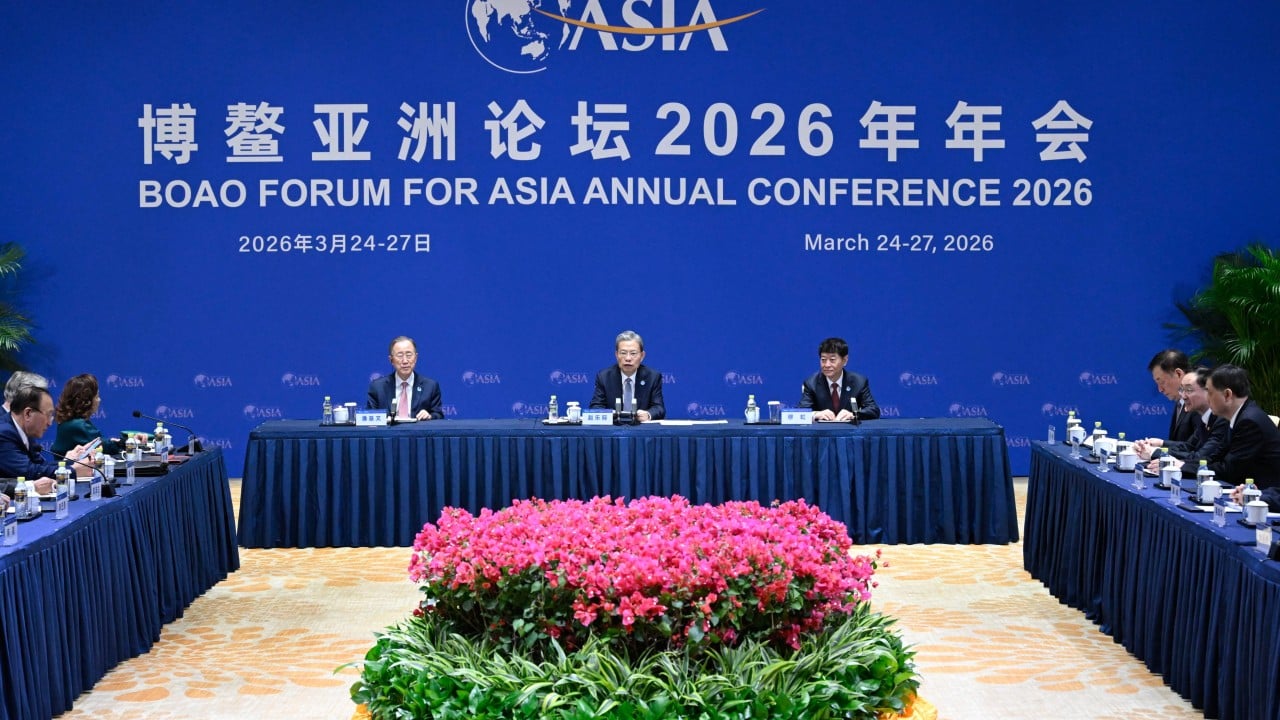
China's top legislator Zhao Leji called for resolving conflicts via negotiation and prioritizing economic development at the Boao Forum amid ongoing US-Israeli tensions with Iran. Emphasizing Asia's historical suffering from war, he advocated rejecting power politics for regional stability.

During the Boao Forum for Asia, Zhao Leji, chairman of China’s National People’s Congress Standing Committee, underscored the necessity to move away from power politics towards economic cooperation to ensure peace. His remarks come amid the escalating conflict involving the US and Israel against Iran, which threatens broader regional stability in Asia. Zhao emphasized Asia’s collective experience with war and chaos, noting that this history underlines the importance of stability and development.

China's stance promotes negotiations over military confrontation, aligning with its broader strategic policy of conflict resolution to protect its own economic interests and maintain regional influence. By linking peace to economic growth, Zhao highlighted a model where diplomatic engagement and economic interdependence reduce the likelihood of armed conflict.

The Boao Forum, often dubbed the 'Asian Davos', serves as a prominent platform for Chinese diplomatic messaging, signaling Beijing’s desire to lead in regional security dialogues. The emphasis on economic development also reflects China's Belt and Road Initiative goals, which depend on sustained peace and cooperation.

Manufacturers and economic sectors across Asia stand to benefit from reduced geopolitical tensions, fostering increased trade and investment. Ultimately, China's approach seeks a stable environment conducive to long-term development, positioning itself as a key mediator in Asia’s security architecture amid persistent conflicts like the Iran crisis.

ИСТОЧНИКИ РАЗВЕДКИ
СВЯЗАННЫЕ РАЗВЕДДАННЫЕ
Lessons for China from Iran War on Missile Interception
ВОСТОЧНАЯ АЗИЯ
ОБОРОННАЯ ВЫСТАВКА

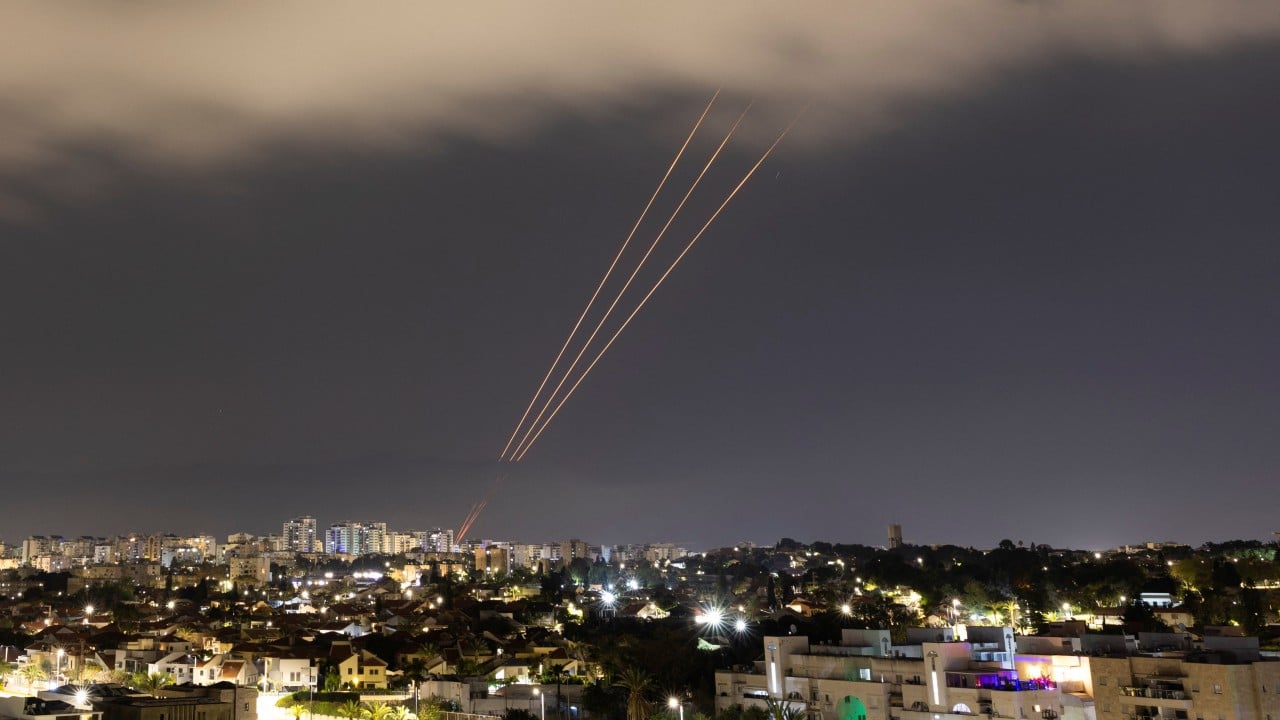
Lessons for China from Iran War on Missile Interception

A Chinese military publication highlights the escalating missile threats from the US, its allies, Taiwan, and India, urging Beijing to enhance its air-based missile interception capabilities. The ongoing Iran conflict demonstrates the challenges posed by ballistic missile barrages to existing midcourse and terminal phase defense systems.

14Д НАЗАДЧИТАТЬ
AI and Advanced Packaging Propel China's Chip Industry Growth
ВОСТОЧНАЯ АЗИЯ
ОБОРОННАЯ ВЫСТАВКА

AI and Advanced Packaging Propel China's Chip Industry Growth

Artificial intelligence integration and advanced packaging technologies are anticipated to significantly accelerate China’s semiconductor manufacturing sector. By 2028, China aims to command approximately 42% of the global wafer fabrication capacity for mainstream processes.

15Д НАЗАДЧИТАТЬ
China Develops First Silicon Chip for Fault-Tolerant Quantum Computing
ВОСТОЧНАЯ АЗИЯ
ОБОРОННАЯ ВЫСТАВКА

China Develops First Silicon Chip for Fault-Tolerant Quantum Computing

Chinese researchers have successfully demonstrated a silicon-based quantum chip capable of executing a complete set of error-detecting logical operations. This milestone represents a critical advancement towards fault-tolerant quantum computing, previously achieved only on superconducting platforms.

13Д НАЗАДЧИТАТЬ
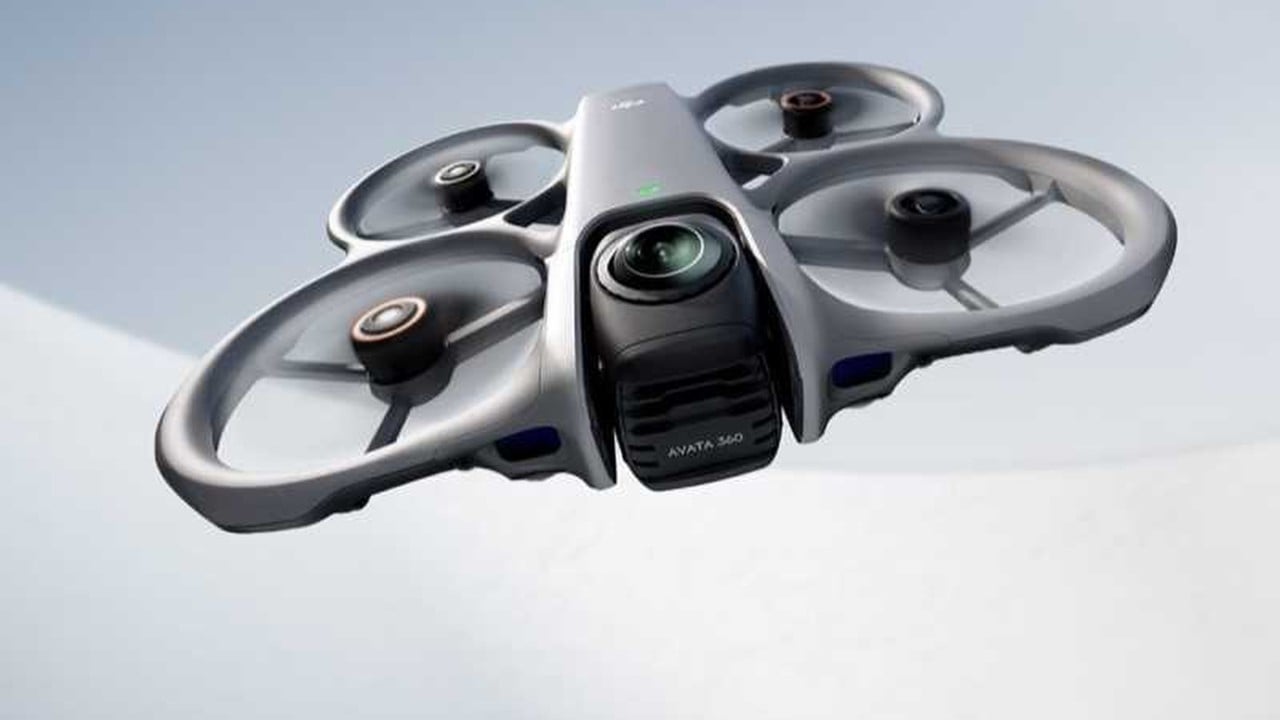
DJI Launches First 360-Degree Drone Amid Patent Conflict
ВОСТОЧНАЯ АЗИЯ
НОВЫЕ ТЕХНОЛОГИИ

DJI Launches First 360-Degree Drone Amid Patent Conflict

Chinese manufacturer DJI has introduced the Avata 360, its first drone equipped with an omnidirectional 360-degree camera. Featuring 8K HDR video capture at 60 fps, this model positions DJI competitively against Insta360 amidst ongoing patent disputes.

14Д НАЗАДЧИТАТЬ