Rudram-1 Anti-Radiation Missile
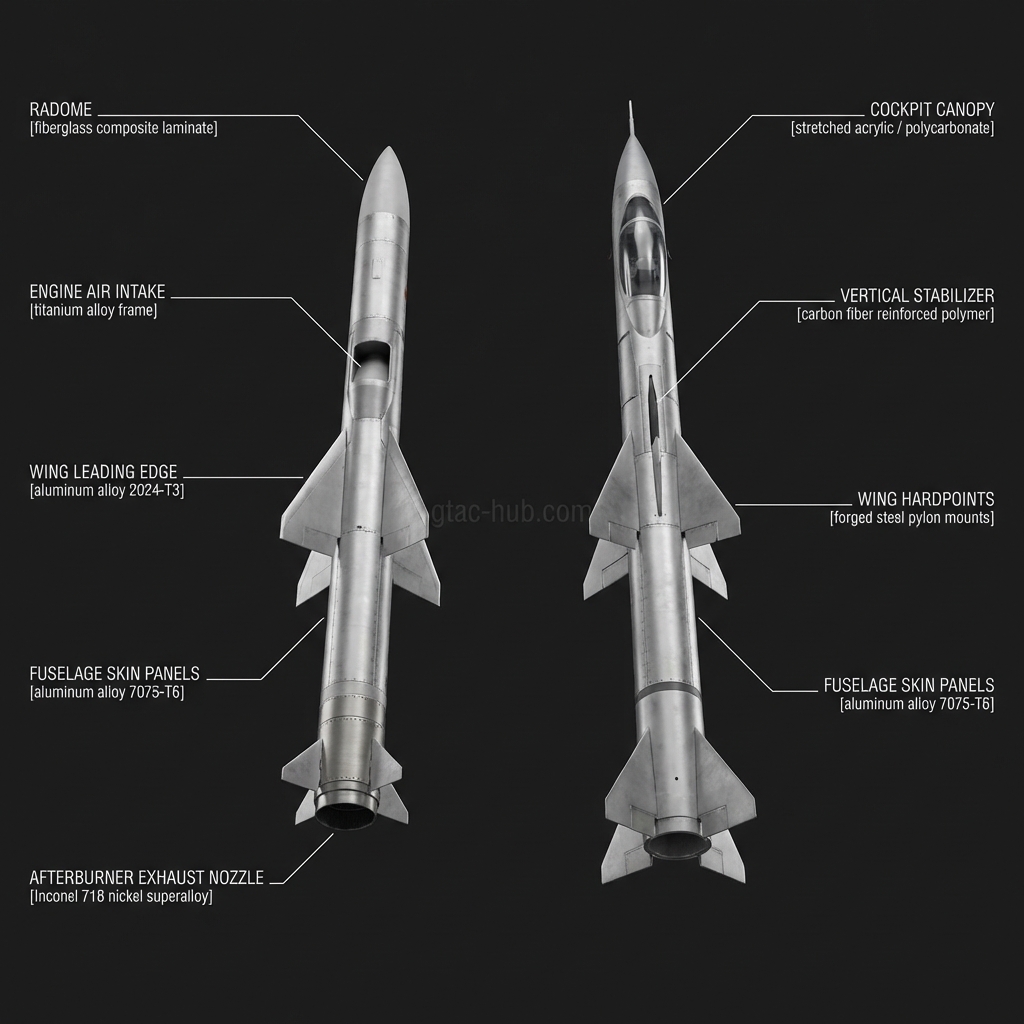
India's first indigenous anti-radiation missile designed to destroy enemy radar systems including air defence radars, early warning radars, and tracking systems — a critical Suppression of Enemy Air Defences (SEAD) capability. Rudram-1 homes in on enemy radar emissions using a passive homing seeker that detects and tracks the target radar's RF signature. Range exceeding 250 km when launched from high altitude, speed of Mach 2+, and an INS/GPS backup guidance mode enabling engagement even if the target radar is shut down. The missile can be launched from Su-30MKI fighters and potentially Tejas Mk1A. Warhead of approximately 100 kg optimised for destroying radar arrays and associated electronics. The Rudram provides the Indian Air Force with a long-range standoff SEAD weapon, enabling suppression of enemy air defences without exposing aircraft to surface-to-air missile engagement. Successfully tested multiple times with operational deployment from 2020. Rudram significantly enhances IAF's capability to operate in contested airspace.
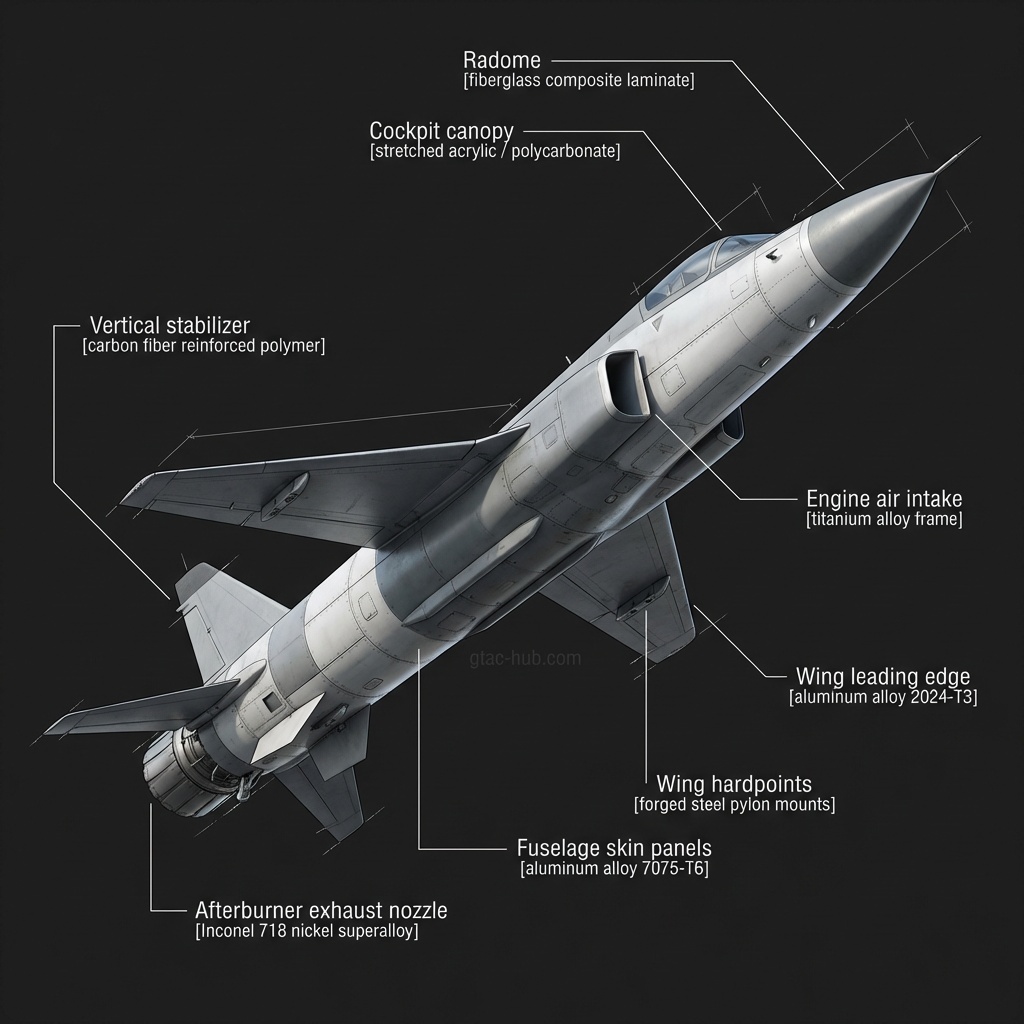
- India first indigenous anti-radiation missile — critical SEAD capability
- Passive seeker homes autonomously on enemy radar emissions
- Long range (200 km) keeps launch aircraft outside most SAM engagement envelopes
- Wideband passive seeker covers broad frequency range
- Missile loses guidance if target radar shuts down during engagement
- Currently single-platform integration (Su-30MKI only)
- New system — combat effectiveness unproven in real operations
- Relies on enemy radar continuously emitting — not effective against silent radars
Sign in to join the discussion and rate this weapon system
SIGN INNo comments yet. Be the first to share your analysis.