
Jointly-operated Canadian-American radar network providing early warning of air threats from Arctic approaches and critical NORAD infrastructure. System consists of 11 long-range radars and 36 short-range radars across Canadian Arctic and Alaska detecting aircraft and missiles. Originally constructed 1980s replacing DEW Line from 1950s. Modernization programme ongoing addressing aging equipment and emerging threats including hypersonic missiles and low-flying cruise missiles. Features over-the-horizon detection, integration with NORAD command centers, harsh Arctic environment operations. Critical for continental air defense providing decision time for response. Faces challenges from climate change affecting infrastructure and increasing traffic in opening Arctic passages. Represents Canadian-American defense integration and Arctic sovereignty priority.

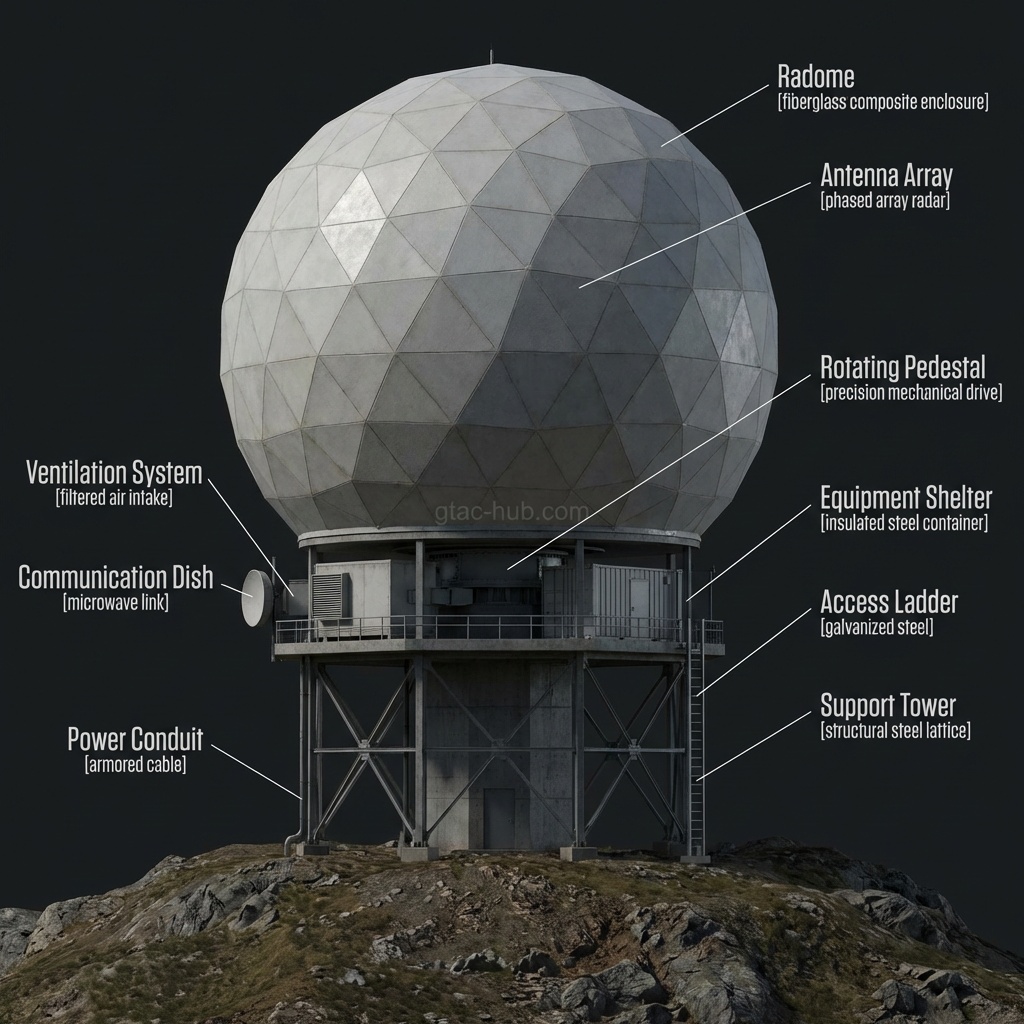
- Critical component of NORAD continental defense architecture
- Modernization to over-the-horizon radar improves detection range
- Integrates with US Space Command and NORAD for real-time threat picture
- Sovereign Arctic surveillance capability
- Original Cold War-era infrastructure requires massive investment to modernize
- Extreme weather and remoteness make maintenance challenging and costly
- Coverage gaps in polar regions exploitable by advanced cruise missiles
- Modernization timeline may lag behind emerging hypersonic threats
Sign in to join the discussion and rate this weapon system
SIGN IN
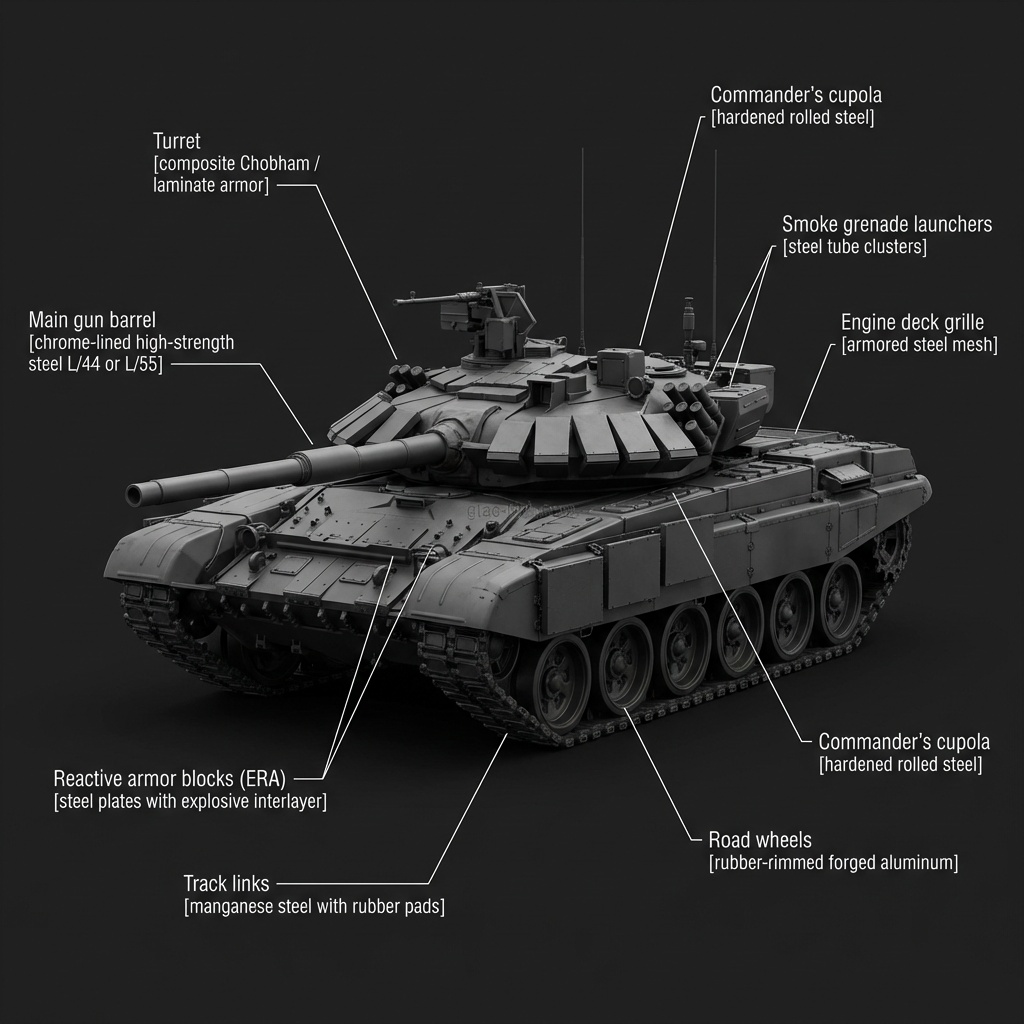
Ammunition capacity versus protection trade-off here reflects deliberate doctrinal choices worth examining.