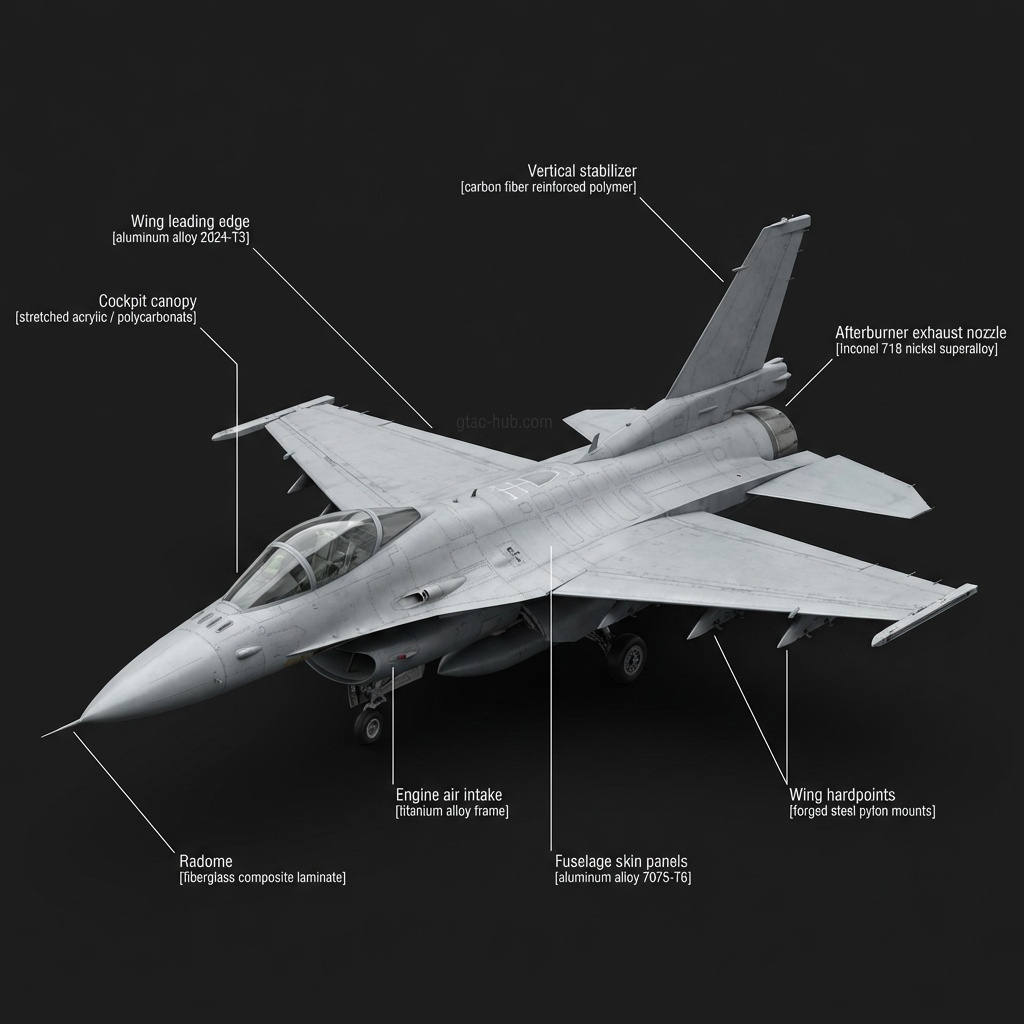
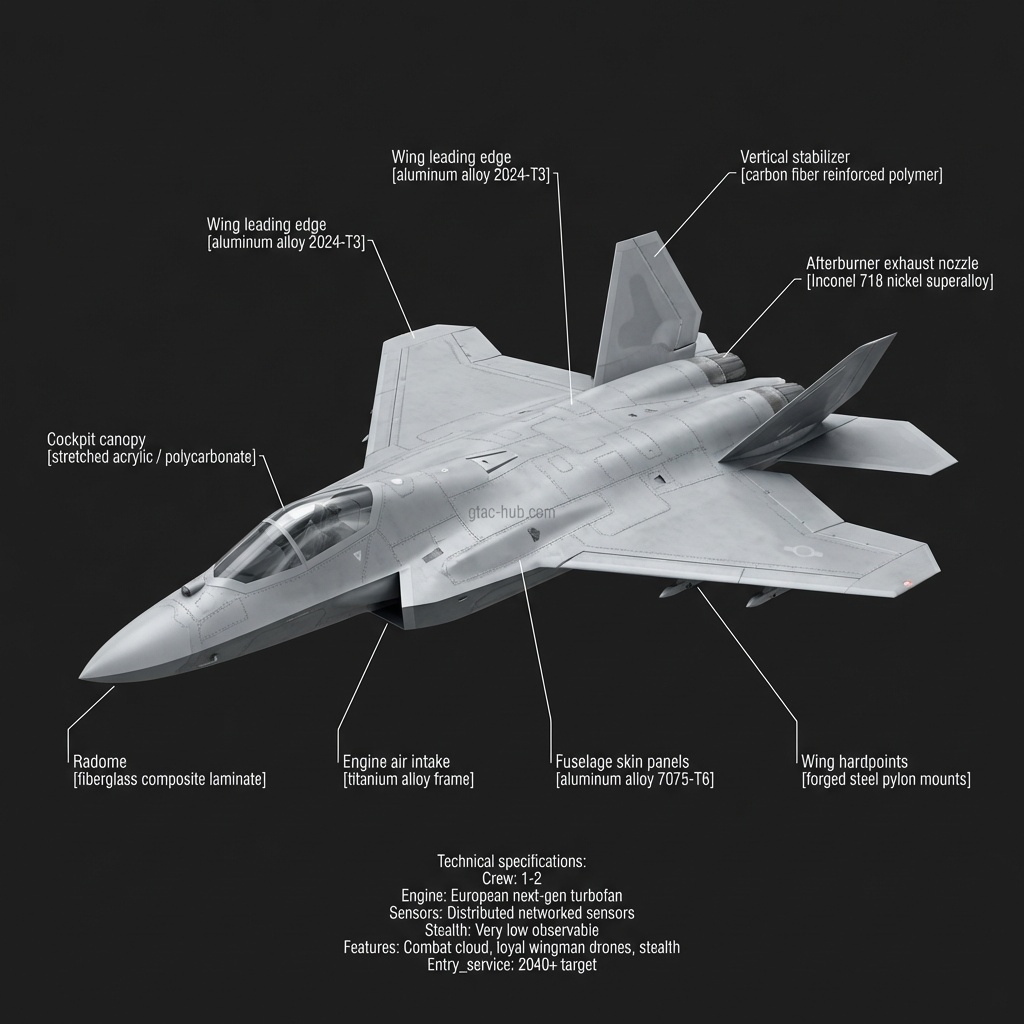
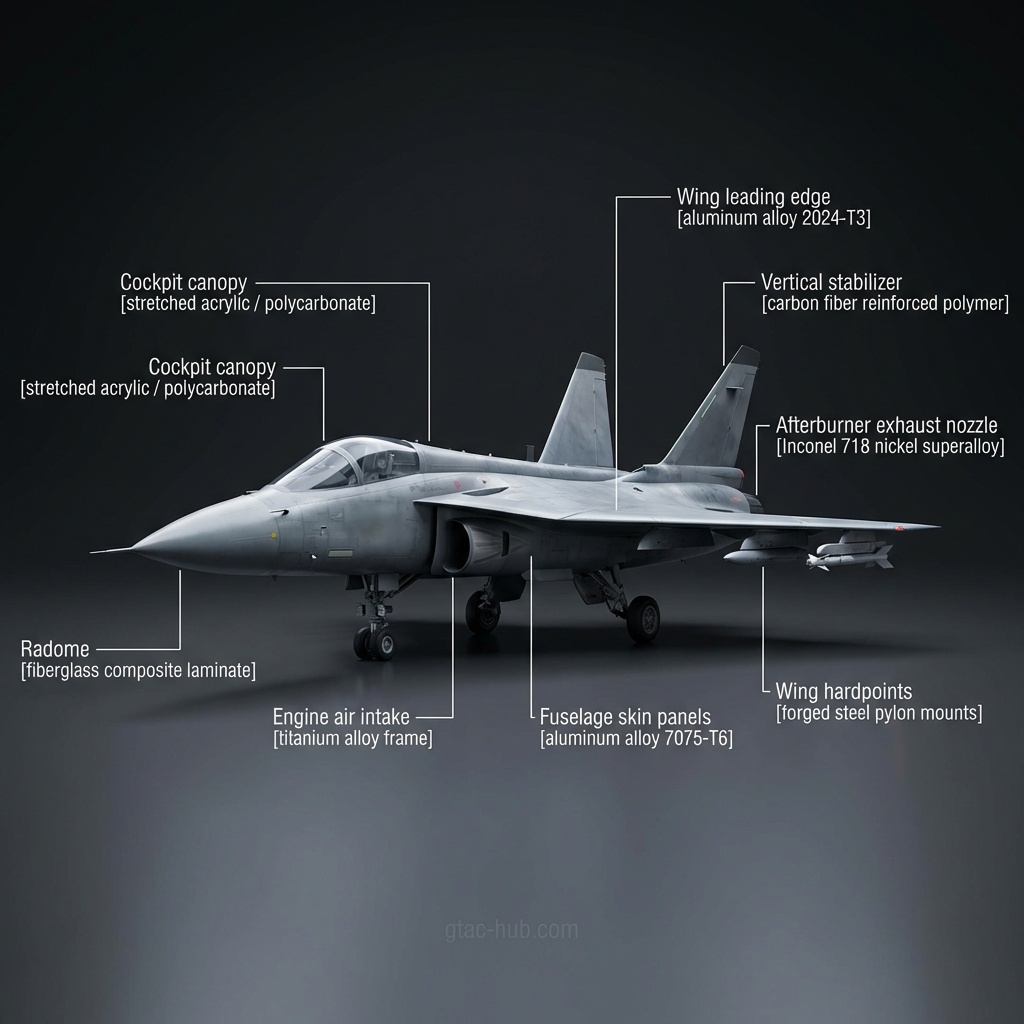
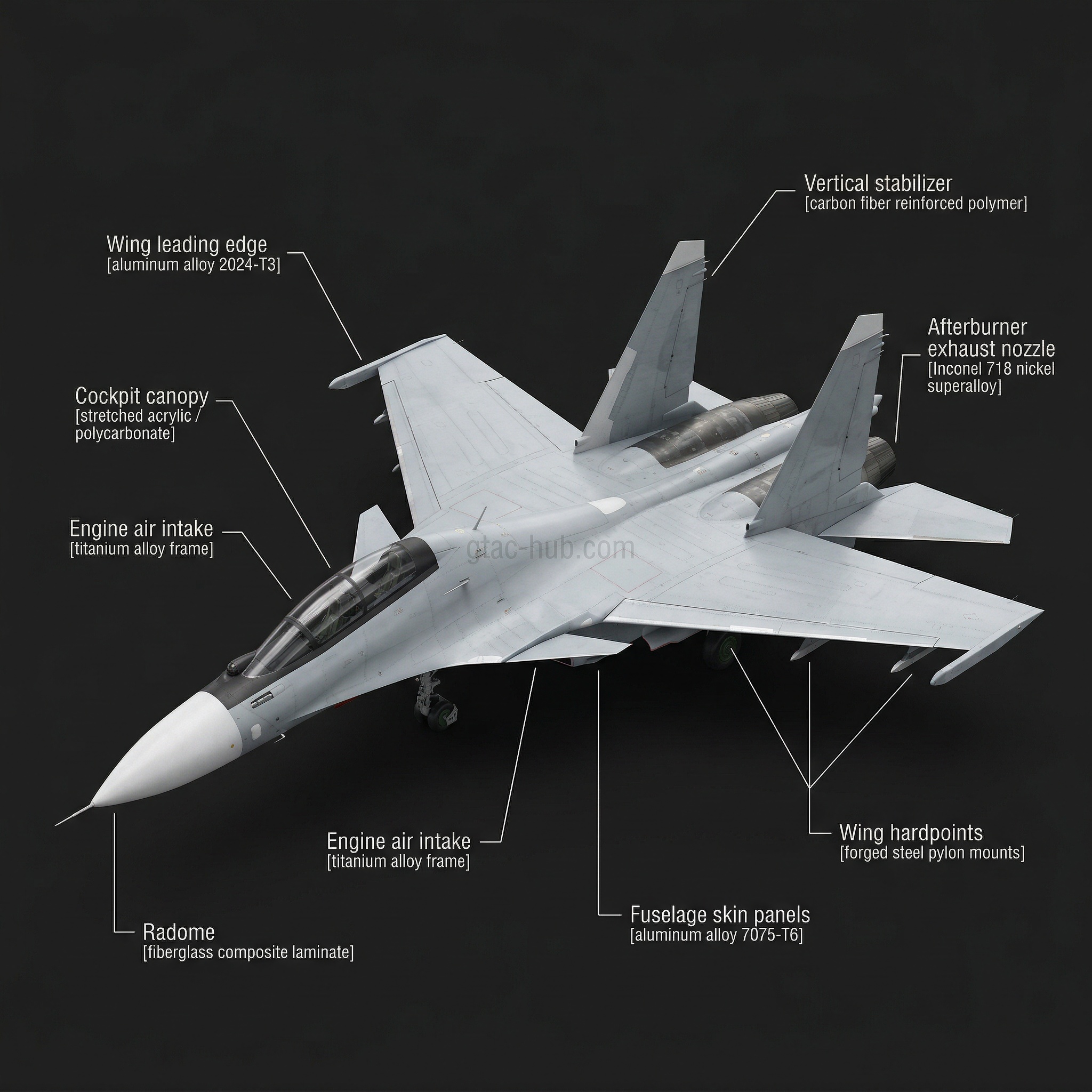
Japan's next-generation stealth fighter being developed under the Global Combat Air Programme (GCAP) — a trilateral partnership between Japan, the United Kingdom, and Italy. The F-3 will be a 6th-generation air superiority platform featuring advanced stealth shaping, next-generation AESA radar with integrated electronic warfare, AI-assisted decision making, and a central role as a combat cloud node controlling loyal wingman unmanned combat aerial vehicles (UCAVs). Expected to be powered by the IHI XF9-1 engine producing 15+ tonnes of thrust with variable-cycle technology for optimized performance across speed regimes. The programme merged Japan's F-X requirement with the UK's Tempest programme in December 2022, combining Japanese expertise in advanced materials and radar with British engine and systems integration capability. Italy (Leonardo) contributes avionics and sensor fusion. Target first flight around 2035 with service entry by 2035-2040. Japan plans approximately 90 aircraft to replace the F-2.


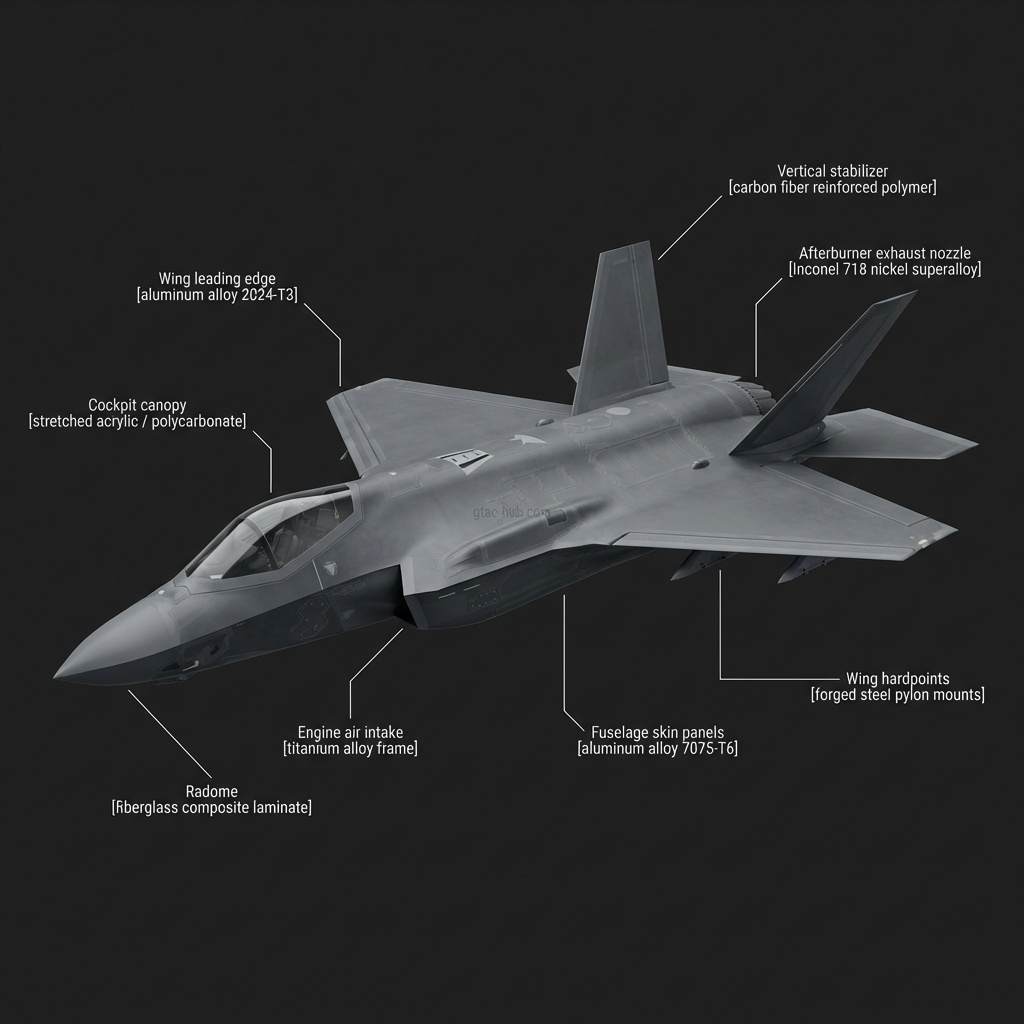
- Tri-national program (Japan/UK/Italy) shares massive R&D cost
- Japan brings world-class materials science (radar-absorbing, heat-resistant composites)
- XF9-1 engine demonstrator (15t+ thrust) shows Japanese propulsion capability
- Clean-sheet design integrating lessons from F-35 and F-22 operational experience
- Loyal wingman UCAVs planned as integral force multiplier
- 2035 IOC extremely ambitious; program complexity may cause delays
- Tri-national coordination adds bureaucratic overhead
- Japan has no prior experience designing and producing a frontline stealth fighter
- Enormous budget commitment competes with F-35 fleet sustainment
- Final engine (Japanese or Rolls-Royce) selection creates industrial tension
Sign in to join the discussion and rate this weapon system
SIGN INNo comments yet. Be the first to share your analysis.