Agni-P (Prime)
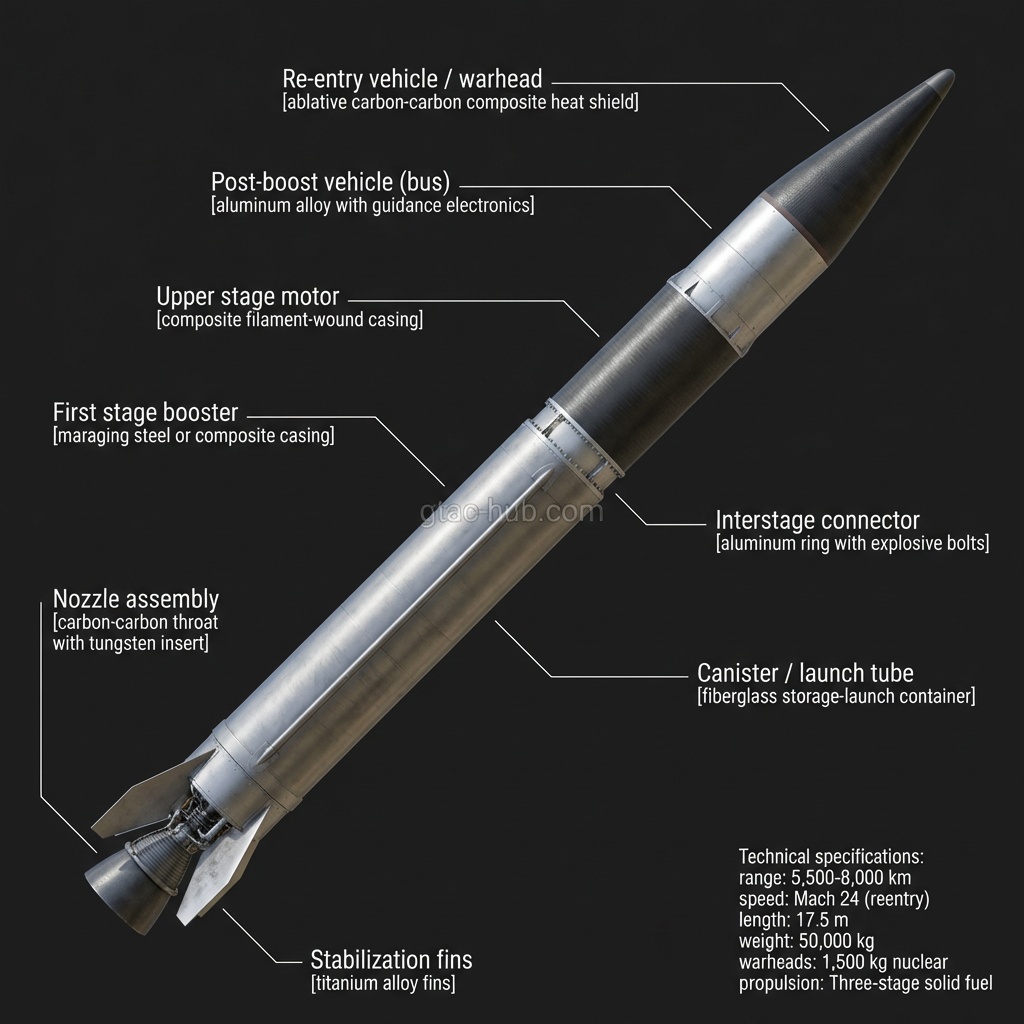
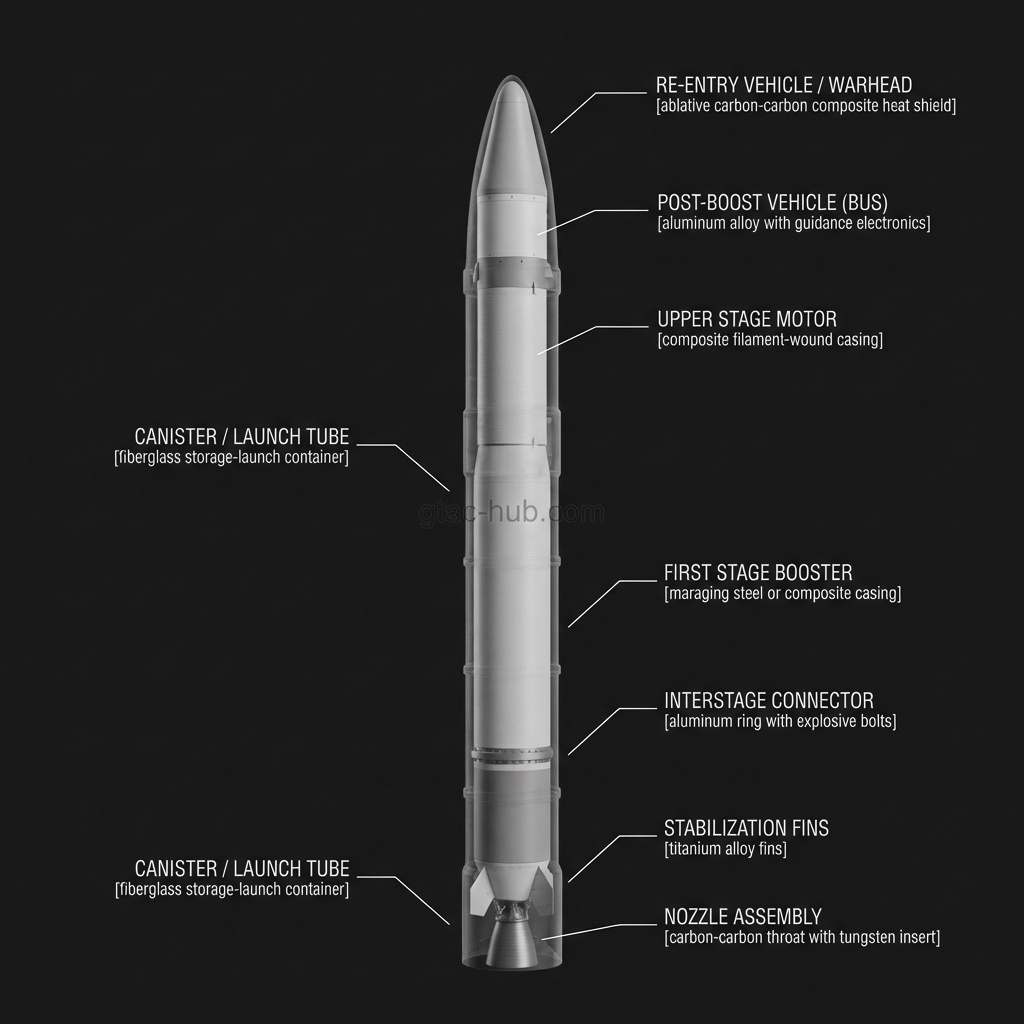
India's next-generation medium-range ballistic missile, representing a complete technological leap over previous Agni variants. Agni-P (Prime) features a canisterised configuration for rapid deployment, solid-fuel two-stage propulsion, range of 1,000-2,000 km, MIRV capability (multiple independently targetable re-entry vehicles), manoeuvring re-entry vehicle (MaRV) technology for terminal phase evasion of missile defences, and composite motor casing for reduced weight. The missile is road-mobile on an 8-axle transporter-erector-launcher for strategic survivability. Guidance combines ring laser gyroscope INS with satellite navigation for accuracy within 10 metres CEP. Agni-P represents India's transition to a new generation of missiles with greater accuracy, flexibility, and survivability. Successfully tested multiple times including from a canister. Expected to enter service in the mid-2020s, eventually replacing the Agni-I and Agni-II. The canisterised design enables significantly faster reaction time compared to earlier Agni missiles.
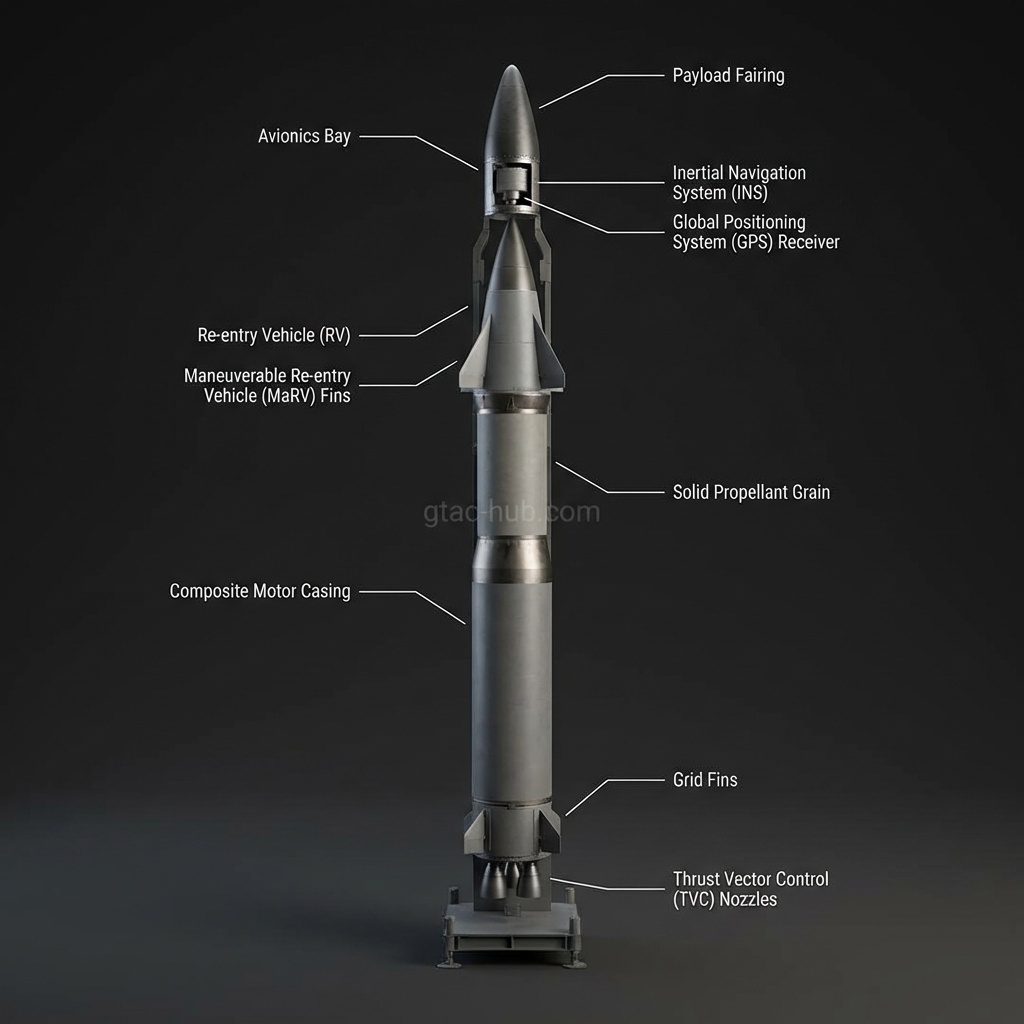
- Canisterized launch enables rapid deployment and reduced logistics footprint
- Modern composite construction — lighter than Agni-I/II
- MIRV capability multiplies strike options per launch
- Road-mobile TEL provides shoot-and-scoot survivability
- Still in testing phase — not yet operationally deployed
- MIRV technology for this range class still being validated
- Overlaps with Agni-I/II in range bracket — role differentiation unclear
- Limited production until testing completion
Sign in to join the discussion and rate this weapon system
SIGN INNo comments yet. Be the first to share your analysis.