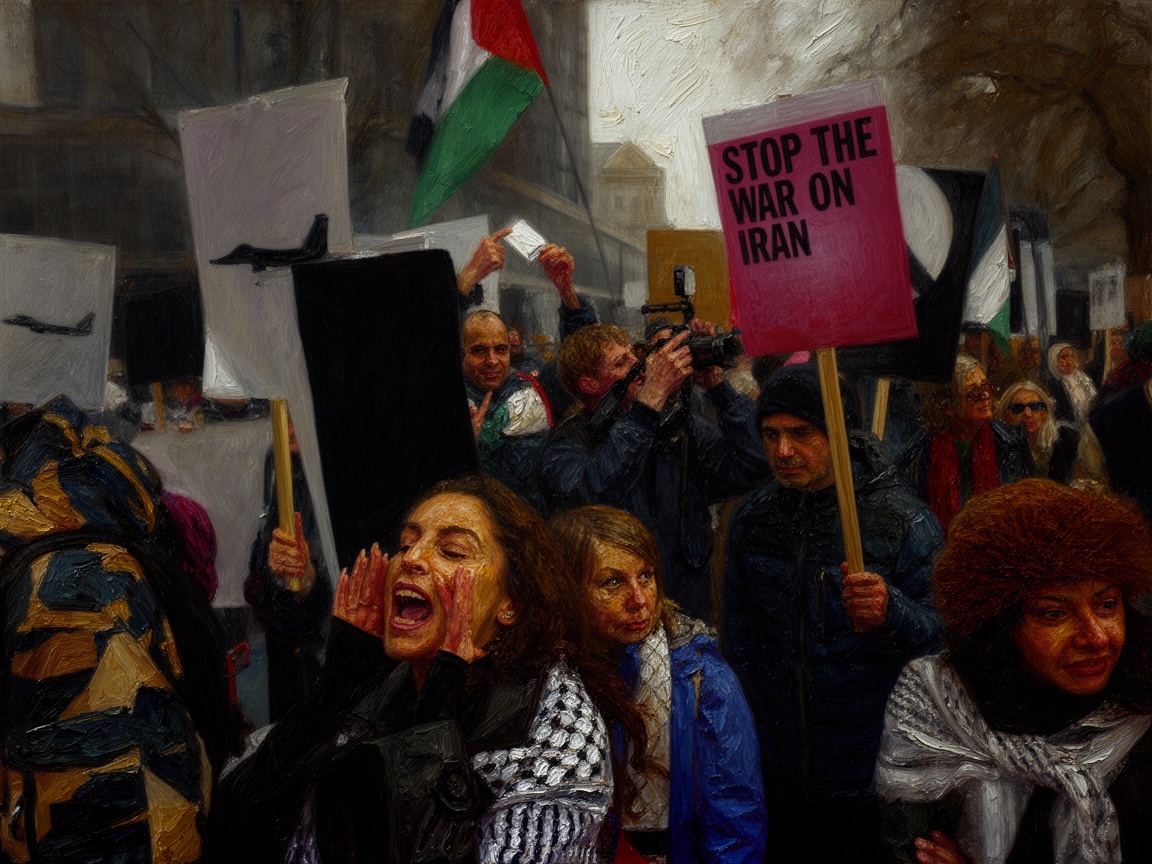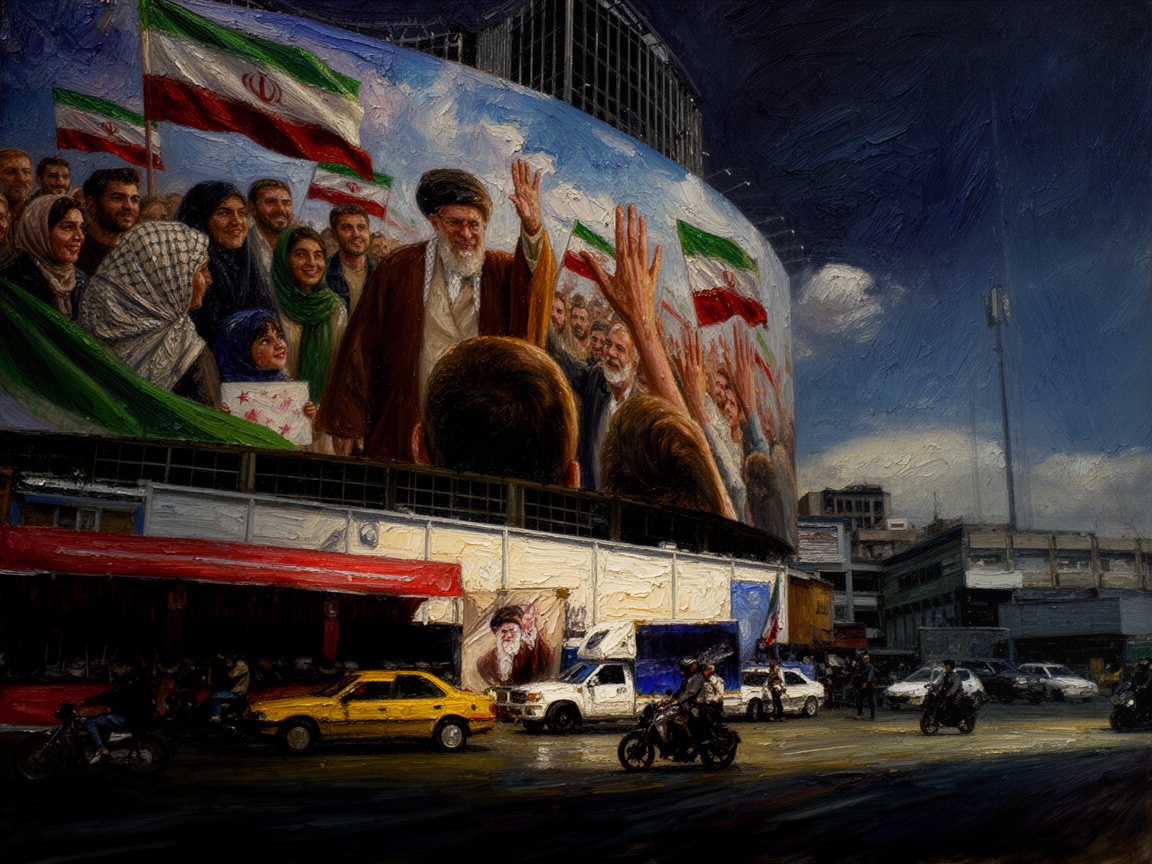
Pete Hegseth faced substantial backlash in Congress for commencing military actions against Iran without securing legislative approval. The conflict has been met with staunch criticism, particularly from Democratic lawmakers who challenge the justification for the war and highlight its staggering costs, estimated at $25 billion. This internal strife within US politics underscores the increasing scrutiny over military interventions that lack bipartisan consensus.
The context of the situation is complex, with escalating tensions in the Middle East placing pressure on US diplomatic endeavors. Donald Trump’s refusal to accept Iran's proposal regarding the Strait of Hormuz complicates the standoff further, as the potential for military engagement grows amidst stagnant negotiation attempts. Tehran is actively seeking international support to bolster its position, indicating a significant geopolitical dynamic at play.
The strategic significance of this development cannot be understated. The US Congress's critique of unilateral military actions reflects broader concerns about overstepping constitutional powers in foreign conflicts. As Iran's defiance continues, this situation raises alarms about a potential escalation that could result in broader regional conflicts involving not only the US but also allied nations with vested interests in Middle Eastern stability.
Operationally, the fiscal implications of the ongoing Iran conflict are immense, with the estimated $25 billion cost attracting criticism from both fiscal conservatives and those opposed to the war. Such expenditures on military engagement can divert funds from critical domestic initiatives and influence future defense budgets. US military readiness could also be impacted by prolonged engagements without clear legislative endorsement.
Looking ahead, the ramifications of this conflict and the continuing diplomatic stalemate with Iran may redefine US military strategy in the region. Should Congress fail to assert its authority, it risks normalization of unilateral military actions without rigorous debate. This could lead to unpredictable consequences, further complicating relations in an already volatile region and signaling a potential shift in global power dynamics.