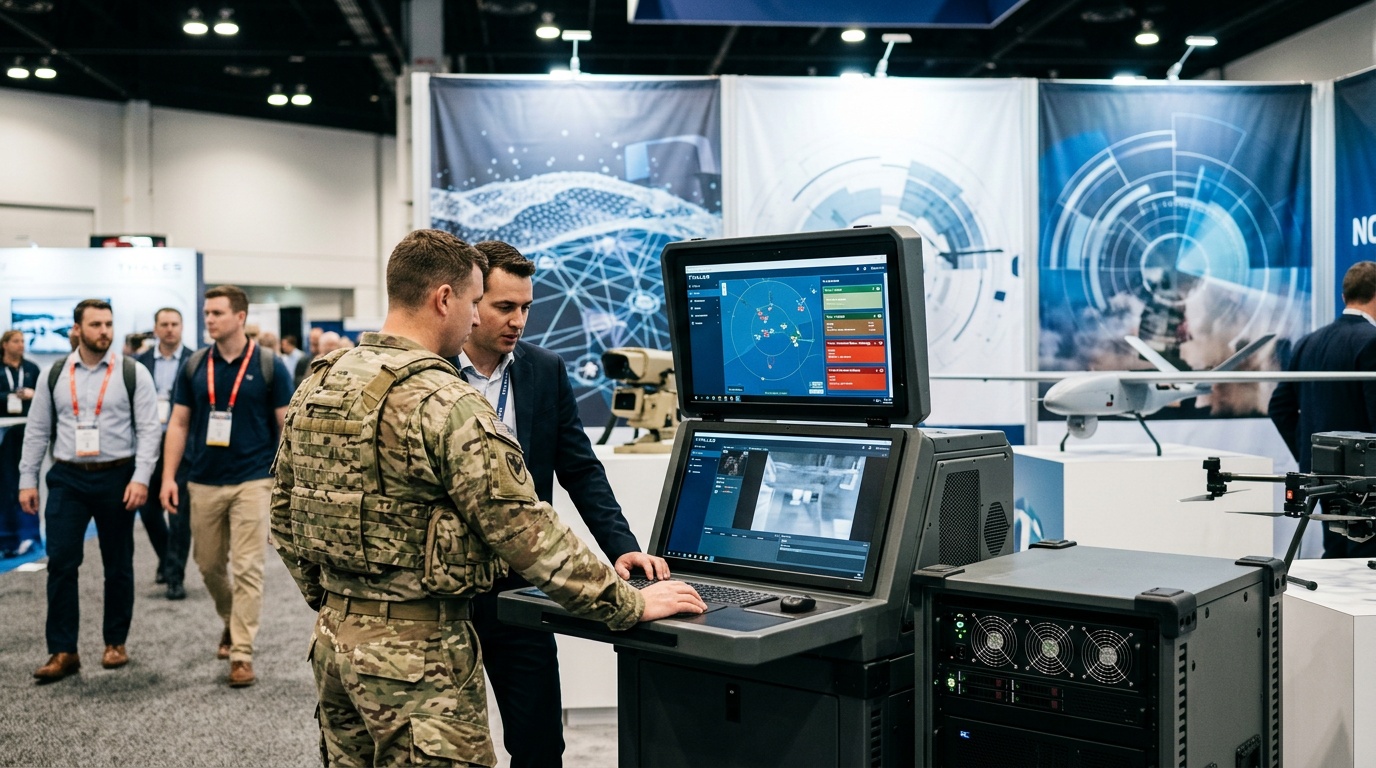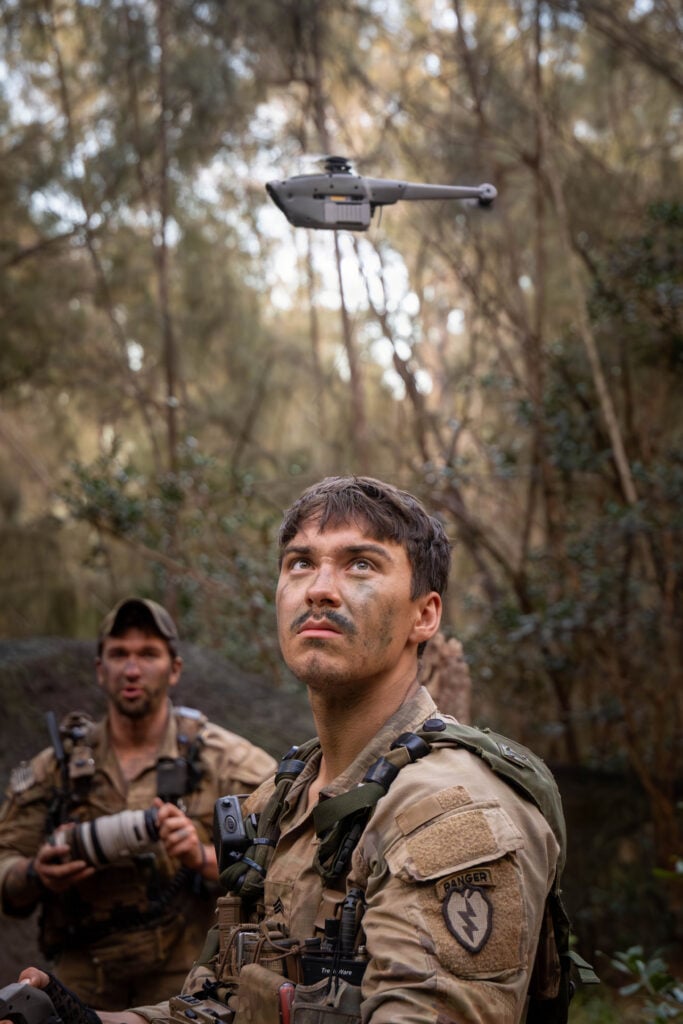
The United States and key Asian partners are actively exploring avenues for co-production of unmanned aerial vehicles (UAVs) in the Indo-Pacific region. The initiative aims to enhance surveillance, logistics, and combat capabilities across member nations' forces. This dialogue underscores the importance of drones in various military operations as regional tensions rise, particularly due to China's assertive posture in the South and East China Seas.
This potential collaboration on drone technology is strategically significant given the Indo-Pacific's geopolitical landscape, where nations are increasingly focused on countering China's regional ambitions. Drones offer a significant advantage in reconnaissance and operational flexibility, enabling allied forces to effectively monitor and respond to threats. Strengthening partnerships through co-production could ensure interoperability and shared technological advancements among allies while presenting a united front against potential adversaries.
Key players in this initiative include the United States, Japan, South Korea, and Australia, all of which share concerns regarding China's military build-up. Each country's motivations vary; while the U.S. seeks to reinforce alliances and expand its influence, Asian nations are predominantly focused on enhancing their own defense capabilities against regional threats. For Japan and Australia, in particular, this co-production could signify a shift towards a more proactive defense posture in response to escalating tensions with Beijing.
The implications of such cooperation reach beyond the Indo-Pacific region. Successful drone co-production could catalyze a shift in military dynamics, emboldening allied nations to operate more independently from U.S. forces while fostering a more cohesive defense strategy. In the event of a conflict involving China, these UAVs could provide critical situational awareness and operational support, potentially altering the speed and outcome of military engagements.
Historically, co-production initiatives have led to stronger military interoperability and strategic alliances. For instance, the F-35 Joint Strike Fighter program has demonstrated the efficacy of shared defense projects among allied nations. Similar outcomes could emerge from successful drone partnerships, enhancing collective military readiness and deterring aggression in the region.
Analysts predict that this initiative will gain momentum, particularly as security challenges in the Indo-Pacific evolve. The enhanced capability and resilience of allied forces through drone co-production could become a cornerstone of regional defense strategies, compelling adversarial states to reconsider their military postures and objectives in the context of increased technological competition.