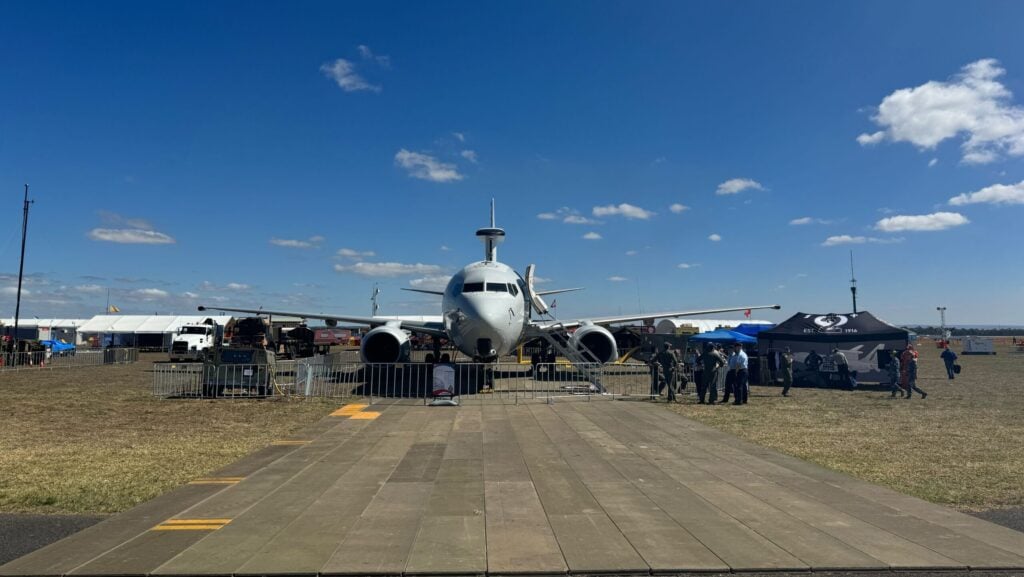
In early October 2023, the United States and India formalized an interim Trade Agreement, signaling a renewed commitment to enhancing bilateral defense collaboration. As part of this deal, India has decided to procure six Boeing P-8I Poseidon aircraft, designed for anti-submarine warfare, anti-surface warfare, and reconnaissance missions. This acquisition not only modernizes India's naval capabilities but also aligns with NATO's maritime strategy, thereby integrating Indian operations more closely with U.S. objectives in the Indo-Pacific.
The significance of this development extends beyond bilateral relations; it reflects a strategic pivot in the Indo-Pacific region, where both nations face growing challenges from China's assertive military posture. The enhancement of India’s maritime reconnaissance capability with the P-8I, alongside collaborative space endeavors such as the NISAR (NASA-ISRO Synthetic Aperture Radar) satellite, underscores a concerted effort to maintain a balance of power against potential regional hegemony from China.
Key players in this development include the U.S. Department of Defense, under the leadership of Admiral John Aquilino, Commander of the U.S. Indo-Pacific Command, and India's Ministry of Defence. Both parties are motivated by a shared interest in countering Chinese influence and ensuring security in key maritime routes. The agreement also opens avenues for technology transfer and enhances collective security operations, which are crucial for the stability of the Indo-Pacific.
The regional implications of this agreement could be profound. By strengthening India’s naval capabilities, the U.S. aims to fortify alliances with other regional partners such as Japan and Australia, promoting a unified front against potential maritime threats. Furthermore, advancements in space initiatives could lead to improved surveillance and intelligence-sharing mechanisms among allies, increasing operational effectiveness in response scenarios across the region.
Historically, the U.S.-India defense relationship has evolved since the signing of the U.S.-India Civil Nuclear Agreement in 2008. This latest agreement marks a continued progression, catalyzing deeper strategic partnerships and open dialogues focused on security challenges that transcend national borders.
In summary, this deal positions both nations to leverage enhanced capabilities in defense and space sectors. Analysts anticipate that successful implementation of the agreement will lead to a marked enhancement in operational readiness in the Indo-Pacific, with reverberating effects on regional stability in the face of Chinese assertiveness and maritime territorial expansion.