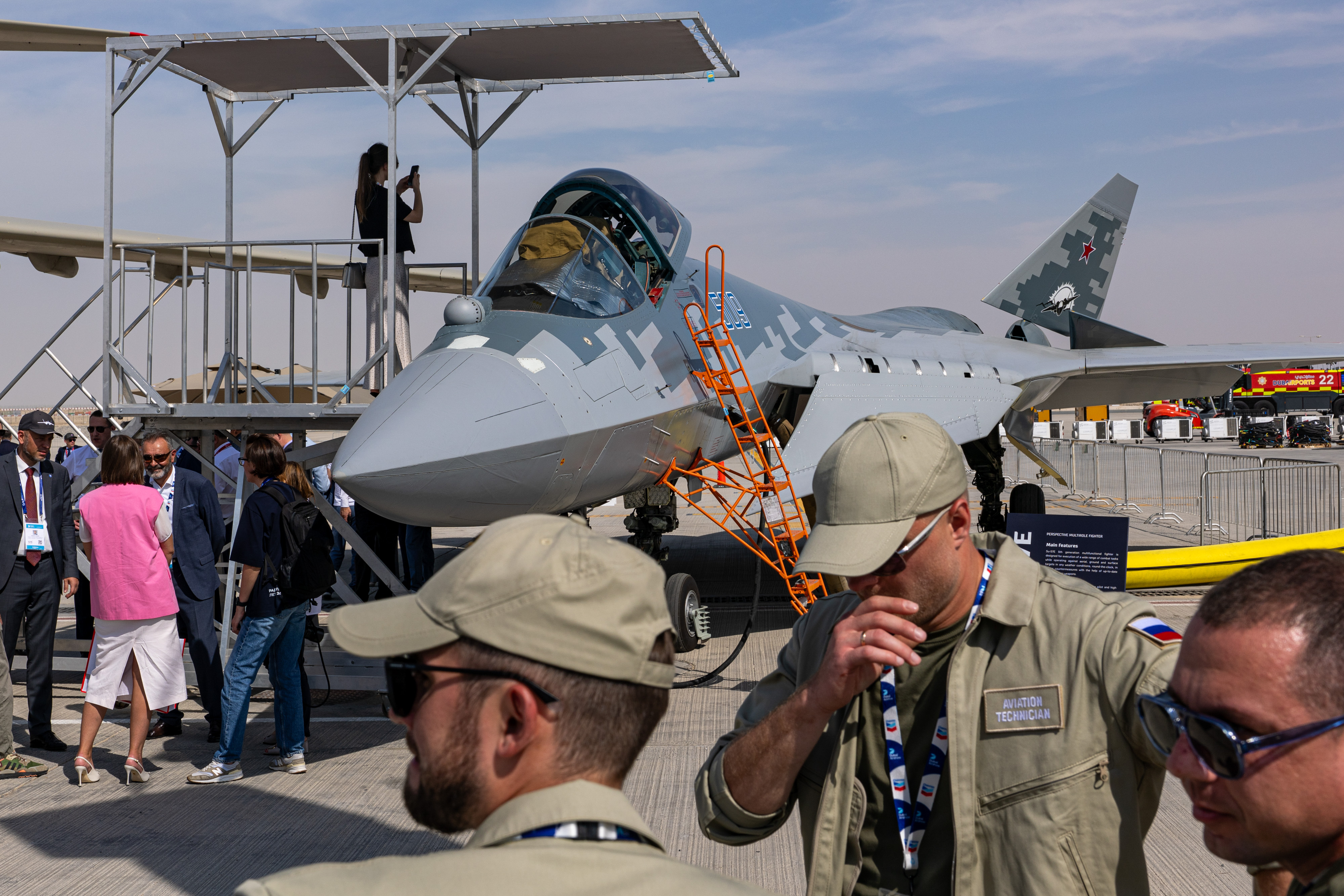
Recent reports confirm that Russian Su-57 stealth fighters have arrived in Algeria, as evidenced by videos circulated on social media platforms. The jets are part of a broader military cooperation agreement between Russia and Algeria, which includes not only advanced aircraft but also potential training and maintenance support. This marks a significant enhancement of Algeria's military capabilities, aligning with Russia's focus on bolstering its presence in North Africa through defense exports and strategic alliances.
The deployment of Russian stealth technology in Algeria has far-reaching implications, particularly as it pertains to U.S. and NATO interests in the Mediterranean and North African regions. The U.S. government has already expressed concerns about the military balance, given Algeria's historical antagonism towards Western powers and its strategic partnerships with Russia. This occurrence poses a direct challenge to the West's influence in Africa and complicates security dynamics, especially concerning counterterrorism efforts and migration issues related to North Africa.
Key players in this situation include Algeria, which seeks enhanced military capabilities to assert its regional power, and Russia, which aims to expand its defense market and influence in Africa. The U.S. views Algeria's growing ties with Moscow with alarm, emphasizing concerns over potential sanctions and the possible erosion of U.S. alliances in the region. The Algerian government has indicated that it seeks to diversify its military partnerships, emphasizing national sovereignty and security over dependence on any single power.
The implications of this development could extend beyond Algeria. If the integration of Russian military hardware increases, it may embolden other nations in North Africa to reconsider their partnerships, potentially shifting the balance of military power in the region. This precedent of Russian military engagement could lead to a ripple effect, motivating countries like Tunisia and Morocco to bolster their defense agreements with Western allies or, conversely, explore alternative partnerships with Russia or other non-Western powers.
Historically, Algeria has maintained a posture of non-alignment but has engaged in strategic partnerships that prioritize its sovereignty over external influences. The arrival of Russian jets can be seen as part of a broader trend where regional powers seek to leverage foreign relationships to enhance their own military capabilities and global standing. This marks a continuation of a historical oscillation towards self-reliance against Western military cooperation.
Analyst assessment indicates that this development could escalate tensions in North Africa and necessitate a reassessment of current U.S. defense strategies in the region. The U.S. and its allies may need to enhance diplomatic efforts while also considering military readiness to counterbalance the increased Russian presence in Algeria and potentially other nations in Africa. The ongoing situation will warrant close monitoring as U.S. responses evolve, and regional stability remains a primary concern moving forward.