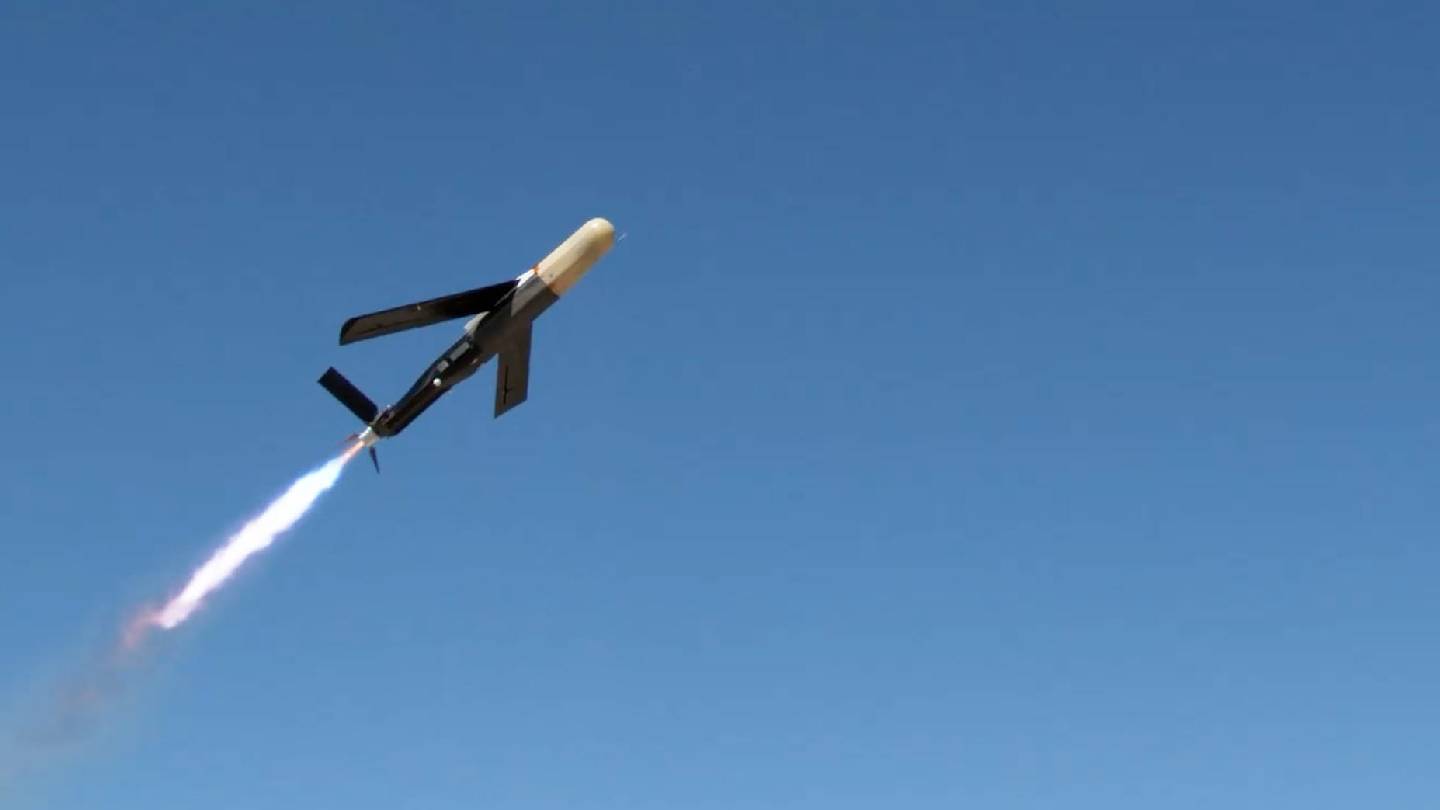
During a recent exercise conducted by the United States Army, Raytheon successfully showcased the Coyote Block 3 Non-Kinetic (3NK) counter-uncrewed aircraft system, which effectively defeated multiple drone swarm attacks. The exercise involved multiple phases where the 3NK system was tested against swarming UAVs, demonstrating its ability to neutralize aerial threats without the use of kinetic energy, focusing instead on electronic warfare capabilities and signal disruption. Such demonstrations are essential to validate the operational effectiveness of emerging technologies in real-world scenarios.
The strategic relevance of these advancements cannot be understated, considering the increasing proliferation of drone technologies across various military and non-state actors globally. As nations invest heavily in drone warfare tactics, capabilities to counteract such threats are critical to maintaining air superiority and operational integrity on the battlefield. The successful deployment of non-kinetic systems like the Coyote could shift the paradigm of air defense away from traditional interceptors toward more innovative solutions that can address diverse UAV threats.
Key players in this context include not only Raytheon but also the United States Army, which is eager to integrate advanced counter-drone measures into their operational framework. The U.S. military's focus on non-kinetic solutions reflects a broader strategic intention to mitigate collateral damage, reducing casualties associated with kinetic intercepts while addressing the dual use of UAV technologies by adversaries. Furthermore, expanding this capability could provide a competitive edge over other military powers that are developing similar drone technologies, including Russia and China.
The implications of these developments are significant on both regional and global scales. Countries facing asymmetric threats from drone warfare will likely seek to acquire or develop comparable systems, potentially leading to an arms race in counter-UAS technologies. Furthermore, enhanced capacity to defeat drone swarms could deter adversarial states from employing disruptive UAV tactics, potentially stabilizing conflict zones where such technologies have been prevalent.
Historically, counter-UAS strategies have ranged from kinetic choices, such as anti-air missiles, to electronic countermeasures. The emergence of the Coyote Block 3NK represents a progressive shift towards sophistication in warfare, where non-lethal options are integrated into combat strategies. This could set a precedent for future military engagements, where technological innovation plays a pivotal role in force modernization.
In conclusion, Raytheon’s Coyote Block 3NK marks a pivotal development in counter-drone capabilities, reflecting a shift towards non-kinetic solutions that promise operational efficiency. The increased focus on integrating such systems across military frameworks suggests a forward trajectory aimed at addressing the complex challenges posed by evolving aerial threats worldwide.