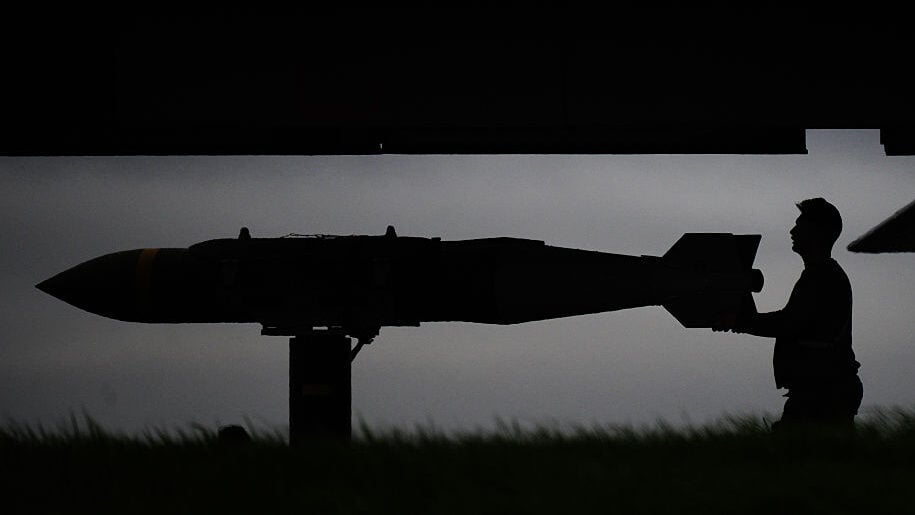
The Pentagon is preparing to request over $50 billion to fund a mix of modern advancements and legacy military systems directed at countering Iran's escalating military ambitions. This funding announcement, made by Pentagon comptroller Jules Hurst, highlights the defense establishment's recognition of the growing threat posed by Tehran. While specific timelines for the funding request remain undisclosed, its sheer scale suggests an urgent response to a deteriorating security situation in the Middle East.
Historically, Iran has aggressively pursued enhanced military capabilities, particularly since the U.S. withdrawal from the Joint Comprehensive Plan of Action in 2018. The regime’s focus on missile technology, drone warfare, and regional proxy forces, which have repeatedly threatened U.S. assets and allies, has necessitated a U.S. recalibration of its defense spending and priorities in the region. Previous military interactions and intelligence assessments have driven home the point that the Iranian regime perceives military strength as essential for its security and regional influence.
This funding request is significant as it reflects a broader strategic imperative to counter potential Iranian aggression, which raises the stakes for U.S. forces and their regional allies like Israel and Saudi Arabia. Should the Pentagon succeed in securing this funding, it would enable the U.S. to advance its military posture and deterrence strategy against a nation that has shown a propensity for hostile actions, particularly in the Strait of Hormuz and against maritime forces in the Arabian Gulf.
Key actors in this scenario include not only the United States and Iran but also neighboring countries monitoring the implications of this funding request. Tehran is likely to perceive this as a direct threat, with potential implications for its current military strategy. Additionally, members in Congress advocating for this funding may emphasize a need to support not only defensive measures but also to sustain a balance of power in a tumultuous region where Russian and Chinese involvement is increasing.
In terms of technical details, this funding could support various programs, including advancements in air defense systems like the THAAD or Aegis frameworks, strengthening naval operations in the Persian Gulf, or enhancing intelligence-gathering capabilities. Such investments would enhance the readiness of U.S. forces while sending a clear deterrent message to Iran about the seriousness of American commitment in the region.
The potential consequences of this funding request are multi-faceted and could escalate tensions significantly. An aggressive expansion of military capabilities in response to perceived Iranian threats may provoke a counter-reaction from Tehran, leading to an arms race in the region. With Iran continuing to bolster its own military and heightening proxy conflicts, the geopolitical landscape could quickly spiral into outright conflict if miscalculations occur.
Historically, increased U.S. military funding in the Middle East has often led to cycles of escalation, whether it was in Iraq or Syria. In those instances, more U.S. resources prompted adversaries to adapt and respond with increased aggression. Lessons from past tensions indicate that any funding for military enhancements must be strategically managed to prevent unintended confrontations.
Looking forward, the key intelligence indicators to watch will include Iranian military activities, U.S. troop deployments, and any regional responses from allies fearing an escalated arms race. The timeline of this funding request will be critical to monitor, as its introduction into the legislative agenda may coincide with growing Iranian assertiveness or provocations, and could directly influence the U.S.'s military engagement strategy in the coming months.