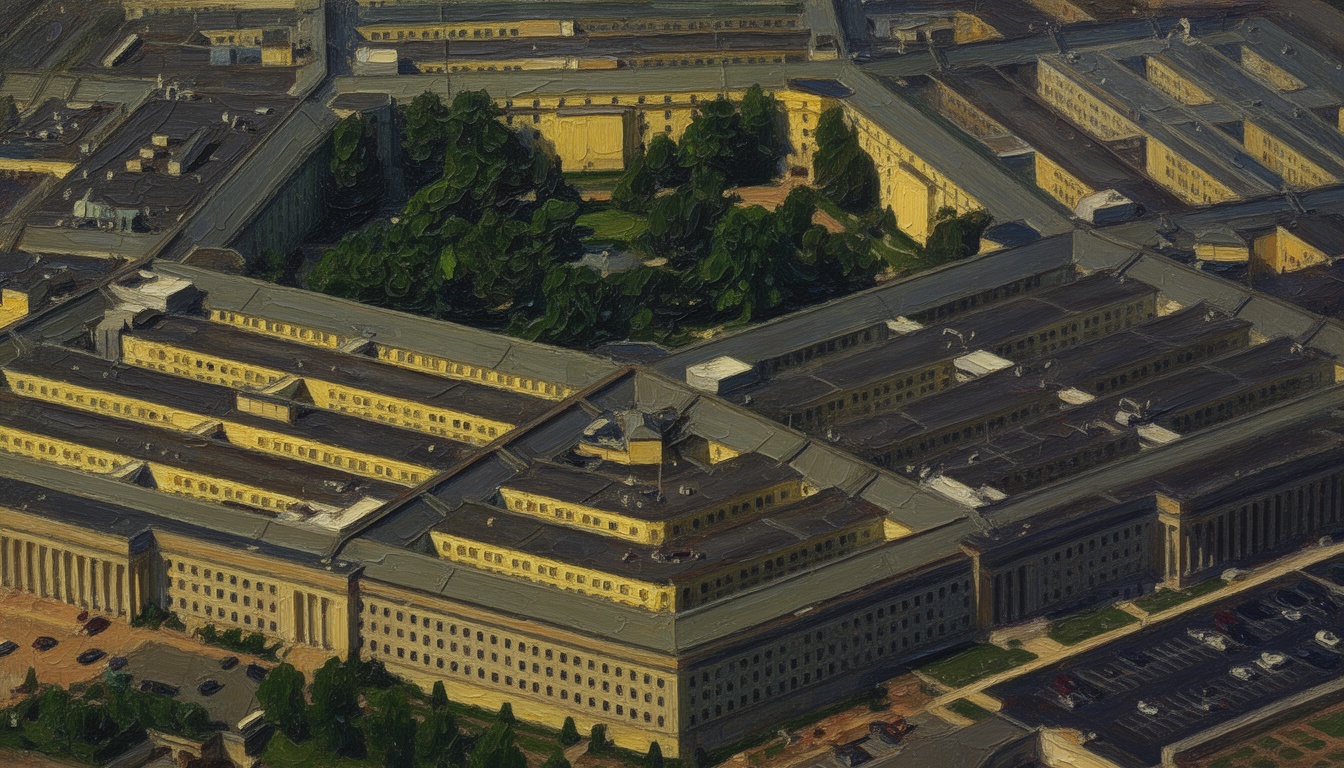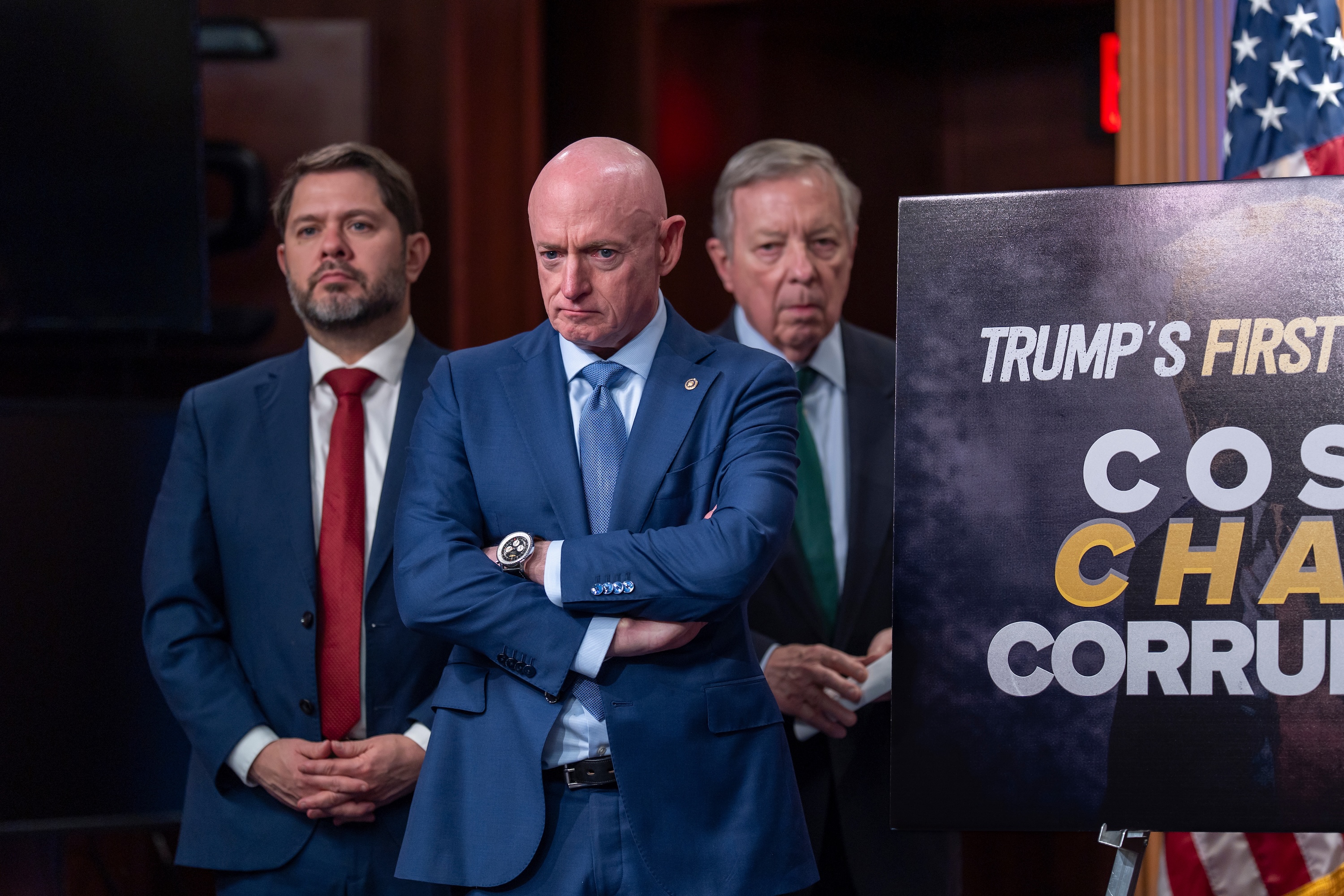
The Pentagon has filed an appeal against a court ruling that prohibits it from taking punitive action against Senator Kelly. The senator participated in a video that encouraged military personnel to resist unlawful orders, which led to a backlash and subsequent legal challenges regarding the appropriateness of such statements by elected officials.
This incident reflects larger concerns about the balance of power between civilian authorities and military leadership. The Pentagon's efforts to impose discipline are not just about a singular case but touch upon fundamental principles guiding military conduct and the obligations of service members under international and domestic law. The implications of this appeal will affect how military law is interpreted in relation to political speech and actions.
Key players in this situation include Senator Kelly, who argues that his video addresses the responsibilities of service members to uphold the Constitution against unlawful directives, and the Pentagon, which is working to maintain order and compliance within military ranks. The legal interpretations surrounding this case could set a precedent for how military personnel respond to guidance from civilian leaders.
The implications of this dispute extend beyond the United States, as allied nations monitor how the U.S. approaches military adherence to lawful orders. This scenario could influence other militaries considering similar issues of civilian oversight, as well as embolden dissent within forces in countries where military hierarchy and civilian governance are already under scrutiny.
Historically, the military's relationship with civilian oversight has seen tensions, especially during moments of perceived moral dilemmas. Events like the Vietnam War or more recent conflicts in the Middle East highlighted disagreements over lawful orders and military ethics, making this issue particularly resonant today.
Analysts suggest that the outcome of this appeal could either reinforce a strong separation of military from political influence or create a scenario in which political commentary on military decisions becomes more prevalent, potentially leading to challenges in maintaining discipline and cohesion within armed forces.