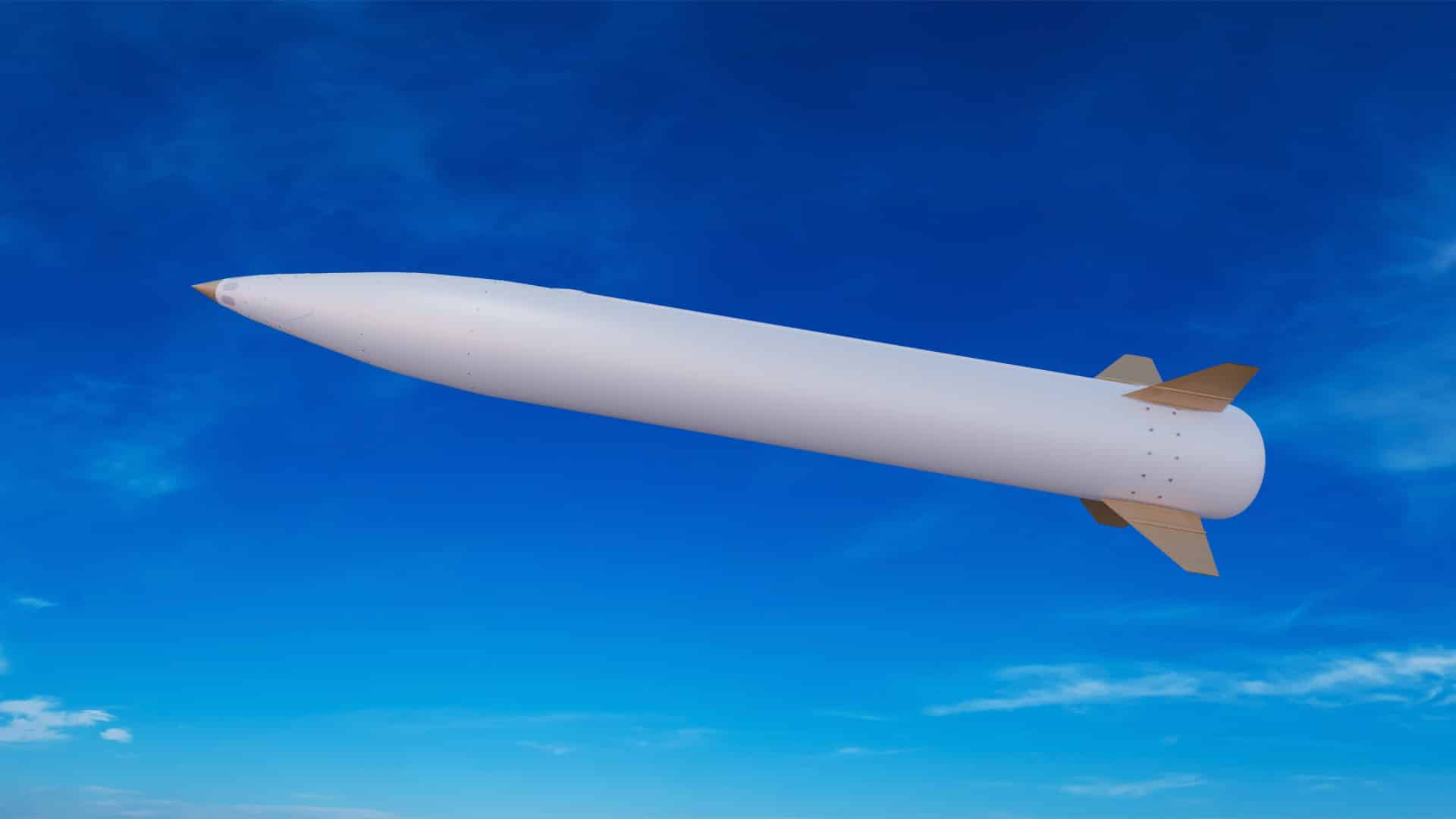
NATO forces successfully intercepted and destroyed a ballistic missile launched toward Turkey from the eastern Mediterranean on Tuesday. This incident marks a significant escalation in hostilities in a region already fraught with tension, highlighting the fragile security dynamics at play among key international actors.
The ballistic missile interception comes amidst rising concerns over missile capabilities possessed by regional adversaries. Turkey, situated at a critical geopolitical crossroads, has long faced threats from various factions, including those in neighboring Syria and Iran, both of which have developed and demonstrated missile technologies capable of reaching Turkish territory.
This incident is significant as it not only showcases NATO’s defensive capabilities but also raises alarms about potential retaliatory actions from adversarial states. The presence of NATO units in the region is critical for maintaining a security umbrella for Turkey; however, it may also provoke a backlash from hostile states, intensifying tensions that could spiral into a broader conflict.
Key actors involved include Turkey, the NATO alliance, and the unknown actors responsible for the ballistic missile launch. Turkey has been lobbying for NATO's enhanced presence to cope with regional threats, while adversaries like Iran might perceive NATO's interception as a direct challenge, further complicating the already precarious balance of power in the area.
Details of the missile’s specifications remain unclear, including its type and range, but its successful interception highlights NATO’s ability to detect and neutralize potential threats swiftly. Stationed in the eastern Mediterranean, NATO forces have increasingly fortified their missile defense systems, which include Aegis-equipped ships and advanced radar systems.
With tensions now heightened, the region faces numerous potential escalation vectors. Retaliatory strikes from any party could lead to a cycle of violence, drawing in multiple actors across national boundaries. The geopolitical implications could shift alliances and provoke military posturing among nations, notably Russia's support for adversaries in the region.
Historically, the interception of ballistic missiles has served as a flashpoint for wider military engagements, reflecting similar instances during the Cold War when missile interceptions heightened fears of nuclear confrontation. The current situation draws parallels to the 1999 NATO airstrikes in Yugoslavia amid rising tensions, which escalated military actions and international responses.
Going forward, intelligence analysts should monitor military movements and public statements from both NATO and regional powers closely. Any adjustment in force postures, additional missile tests, or changes in defense strategies could signal further escalation or hint at larger strategic shifts, determining the stability of Eastern Mediterranean security dynamics.