
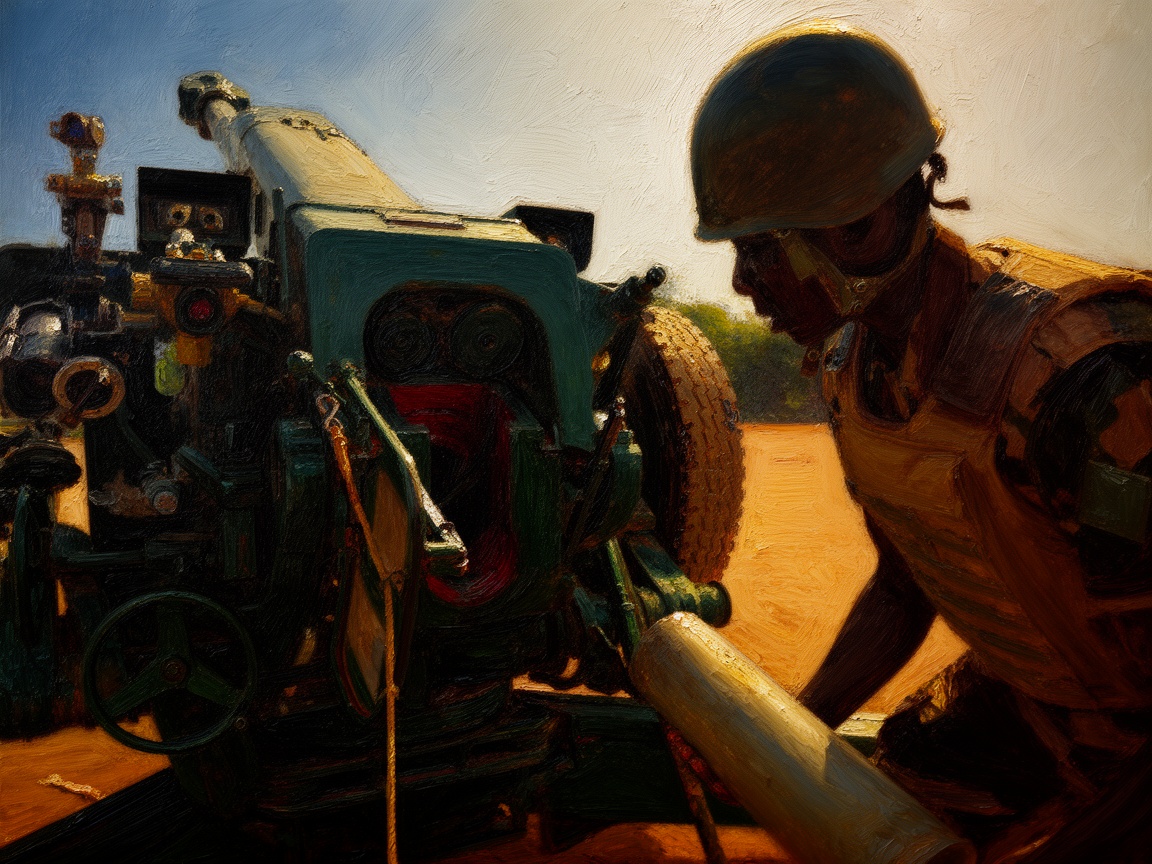
A coordinated wave of attacks has struck Mali’s urban centers, with the army confirming assaults in Bamako and secondary targets in Kati, Kidal, and surrounding areas. The strikes appear synchronized, aiming at strategic facilities and security positions, and are framed by the government as an organized push by armed groups seeking to disrupt state authority. The immediate message from the security forces is blunt: the threat is active, mobile, and capable of striking high-profile locations across a wide radius.
To understand the gravity, one must recall Mali’s recent security theater. Since 2012, the country has been a battleground for jihadi insurgencies, ethnic militias, and regional powers jockeying for influence. The current clashes unfold within a broader Sahel crisis characterized by overlapping militias, illicit networks, and fragile governance in the central and northern zones. Urban centers like Bamako have historically been relatively shielded from sustained direct attacks, making this incident a notable deviation from recent patterns and a test of the capital’s protective posture.
Strategically, the episode escalates the perceived failure of security monopolies and challenges the credibility of Mali’s state institutions. If the attackers can strike in the capital, the deterrent value of security forces is put under strain, increasing pressure on the government to demonstrate control, legitimacy, and coherence of its counterinsurgency efforts. The incursion also has regional implications: neighboring states and international partners will reassess risk, mobility corridors, and the viability of multinational peacekeeping and advisory arrangements operating in the Sahel. The balance of deterrence versus provocation in urban settings becomes a focal point for future policy choices among regional actors.
Operationally, the government has not released attacker compositions, casualty tallies, or weapon specifics in initial statements. Observers should watch for indicators such as the use of improvised explosive devices, small-arms engagements around government facilities, and potential proliferation of armed-group tactics learned from long-running regional conflicts. The incident may reflect a broader shift in tactics—toward higher tempo operations, expanded geographic reach, and attempts to provoke a political or military overreaction. Logistical footprints, supply chains, and command-and-control nodes from these groups will be critical to monitor in the days ahead.
Looking forward, the likely consequences include a tightened security regime, possible curfews, and renewed international attention to Mali’s security framework and governance vulnerabilities. If clashes persist or spread to more urban centers, the risk calculus for regional partners—ranging from peacekeeping mandates to counterterrorism cooperation—will tighten. Security forces may accelerate reforms, while armed factions could recalibrate to exploit political vulnerabilities and public sentiment. The strategic question is whether Bamako’s authorities can restore credible deterrence quickly or whether a prolonged imbalance in urban security will fuel further instability across the Sahel.