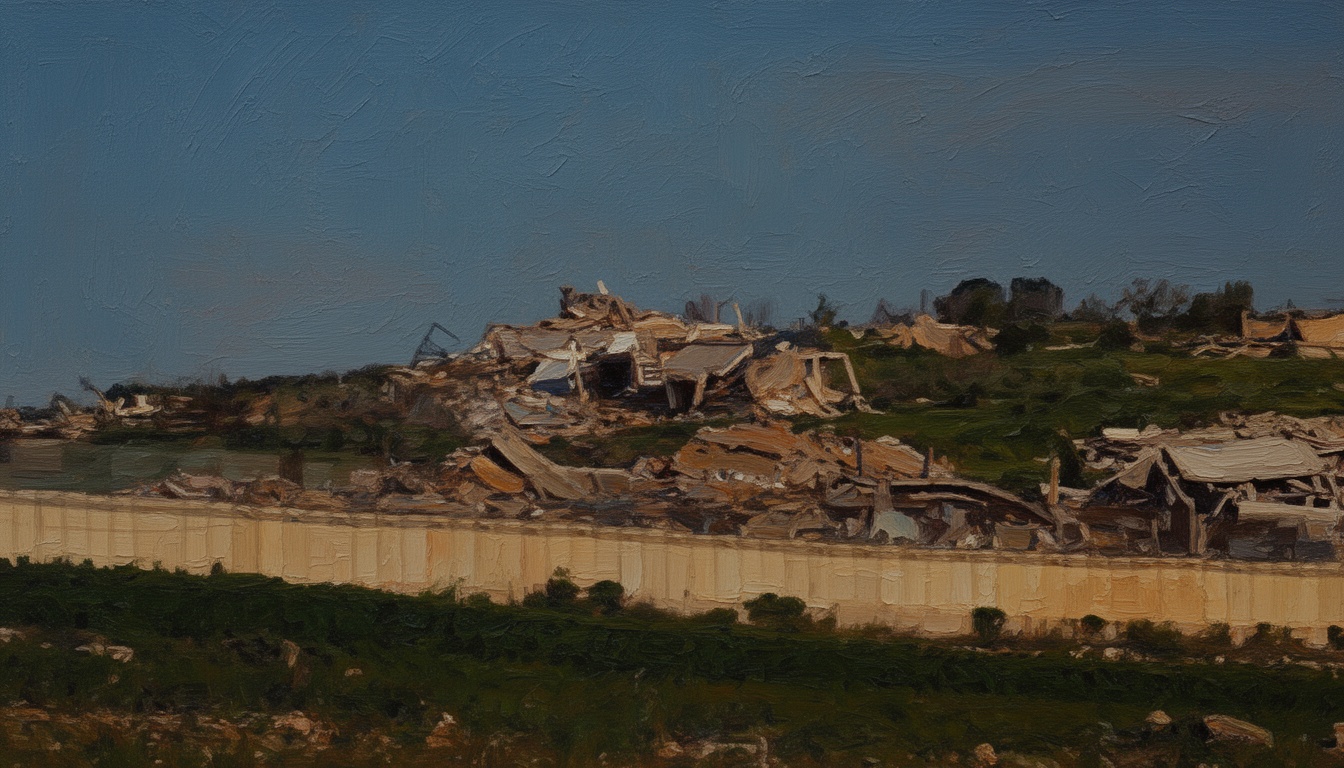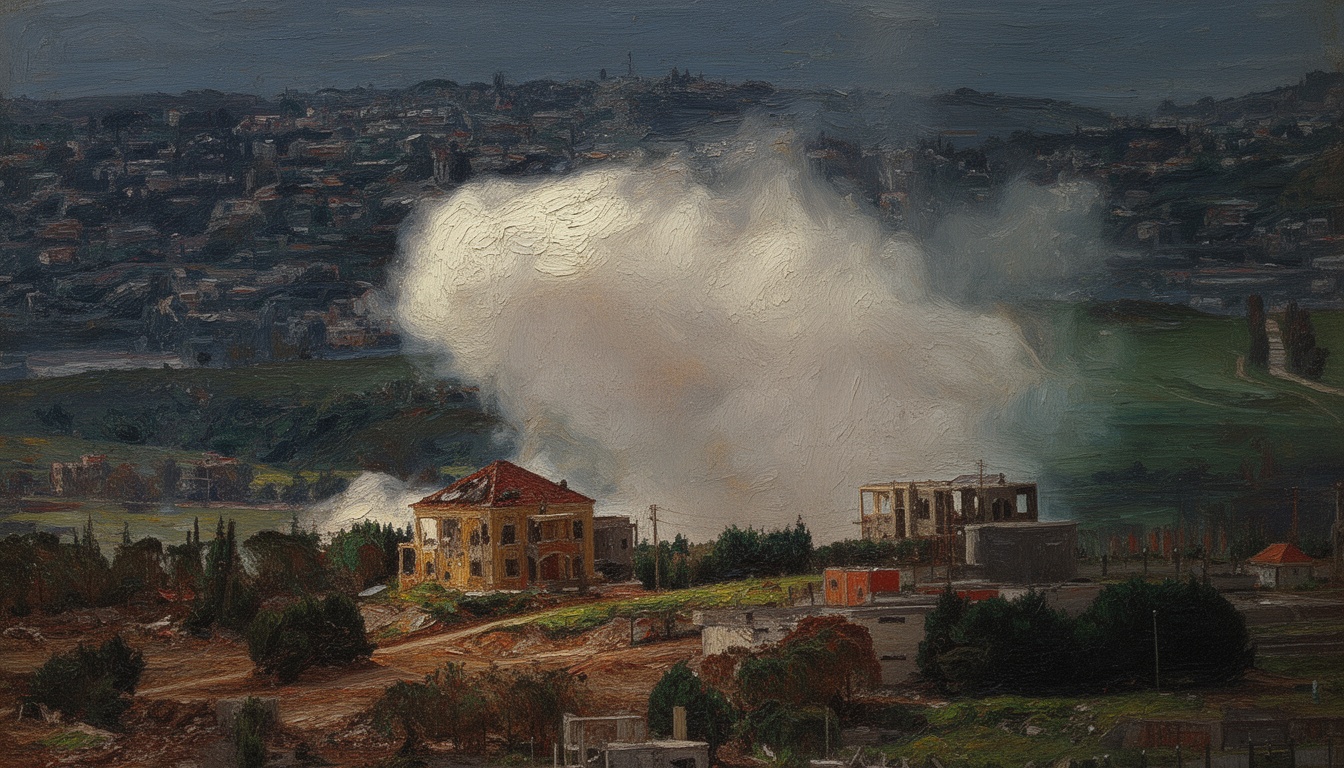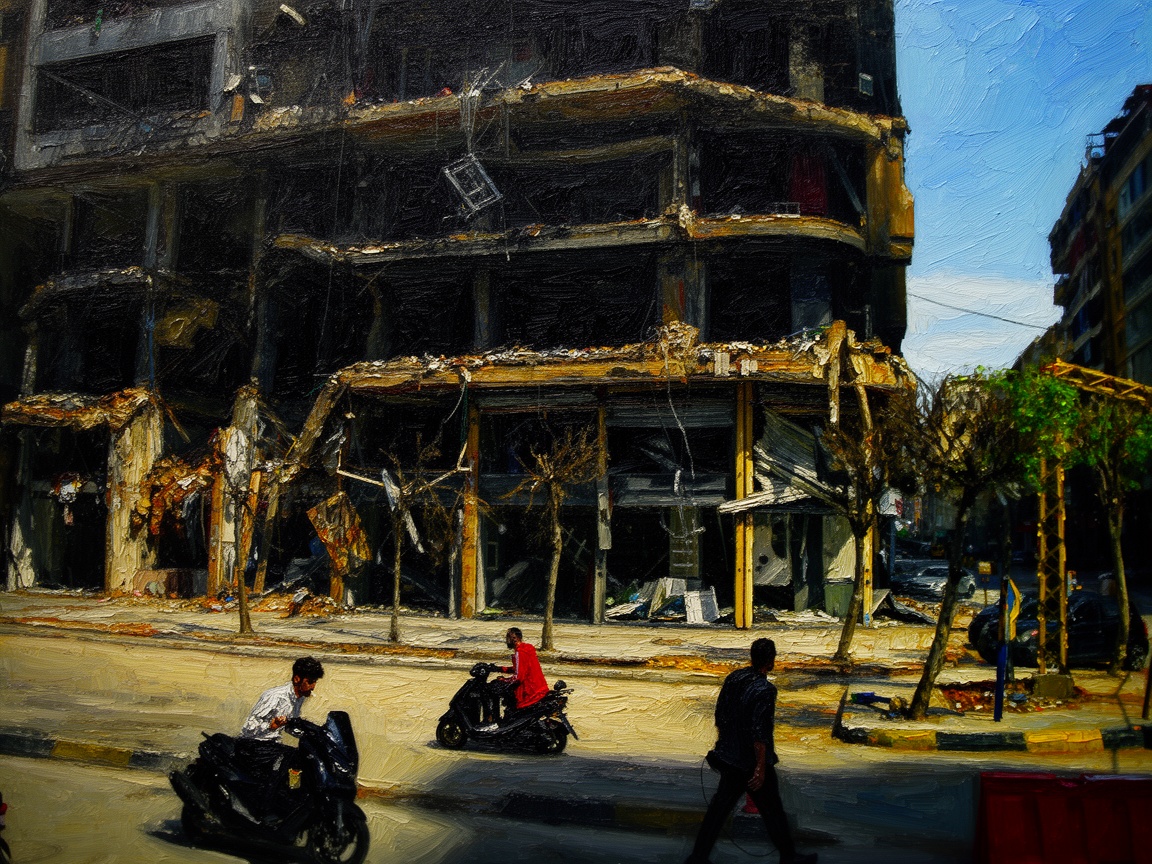

The core development is blunt and brutal: Israel’s strikes across Lebanon’s southern border have killed 14 people, making this the most lethal day since the Israel-Hezbollah ceasefire was implemented just over a week ago. The casualty figure, confirmed by Lebanon’s health ministry, underscores how fragile the current lull remains amid renewed diplomatic and military pressure. Israeli spokesmen and Hezbollah-linked narratives have clashed publicly over responsibility, but the day’s deaths anchor a rising sense of urgency for regional observers. The immediate consequence is a hardening of posture on both sides, with retaliatory threats and calls for restraint curtailing any sense of a de-escalation valley.
Background context shows this flare-up as part of a longer arc: the 2006-style long confrontation between Israel and Hezbollah has drifted into another cycle of border violence, punctuated by high-profile strikes and cross-border allegations. The ceasefire’s fragility is a common feature of such truces in the era of rapid information warfare and external mediation attempts. Regional powers have repeatedly urged quiet, but on the ground, artillery and airpower exchanges continue to shape the day-to-day risk calculus for border towns and refugee corridors. International diplomacy remains focused on preventing a wider eruption, even as both sides accumulate incidents that could spin out of control.
Strategic significance centers on deterrence and power balance in the Levant. Hezbollah’s role as an Iran-aligned actor with regional reach means any notable Israeli action against Lebanese territory carries multipoint signaling: it tests Hezbollah’s willingness to constrain or escalate responses, it signals to Tehran that Israel is willing to press the group at multiple fronts, and it signals to regional partners that the region remains a powder keg. For Israel, maintaining pressure on Hezbollah while avoiding a costly, full-scale offensive is a tightrope act that shapes its broader deterrent posture and alliance calculus with partners across the Arab world. The day’s events thus contribute to a shifting deterrence landscape in which each side calibrates the risk of broader war against the likelihood of tactical gains.
Technical and operational details emphasize the violence’s texture rather than a single battlefield notch. The health ministry tallies reflect civilian and noncombatant harm in southern Lebanon, while Israeli forces reportedly conducted a series of strikes described by officials as targeted operations against Hezbollah infrastructure and launch sites. The balance of combat power remains murky in public summaries, but the pattern mirrors prior episodes: precision munitions to degrade adversary capabilities, followed by retaliatory exchanges at varying intensities. Budgetary or force-level specifics are not disclosed in the public briefings, but the operational tempo signals a deliberate campaign rhythm aimed at messaging as much as material destruction.
Forward assessment points to several likely outcomes. First, the risk of inadvertent escalation remains high given the close proximity of combat locations and rapid cross-border exchanges. Second, diplomatic channels will likely attempt to reassert a tacit, if fragile, restraint while external actors seek to broker a longer-term cooling-off period. Third, Hezbollah’s response will be watched closely for indicators of redlines—whether the group scales up cross-border rocket activity or shifts to more covert, sporadic actions. In the near term, the region can expect continued friction along the Lebanon-Israel border, with international actors pressing for deconfliction but unable to guarantee a stable pause without new concessions or guarantees.