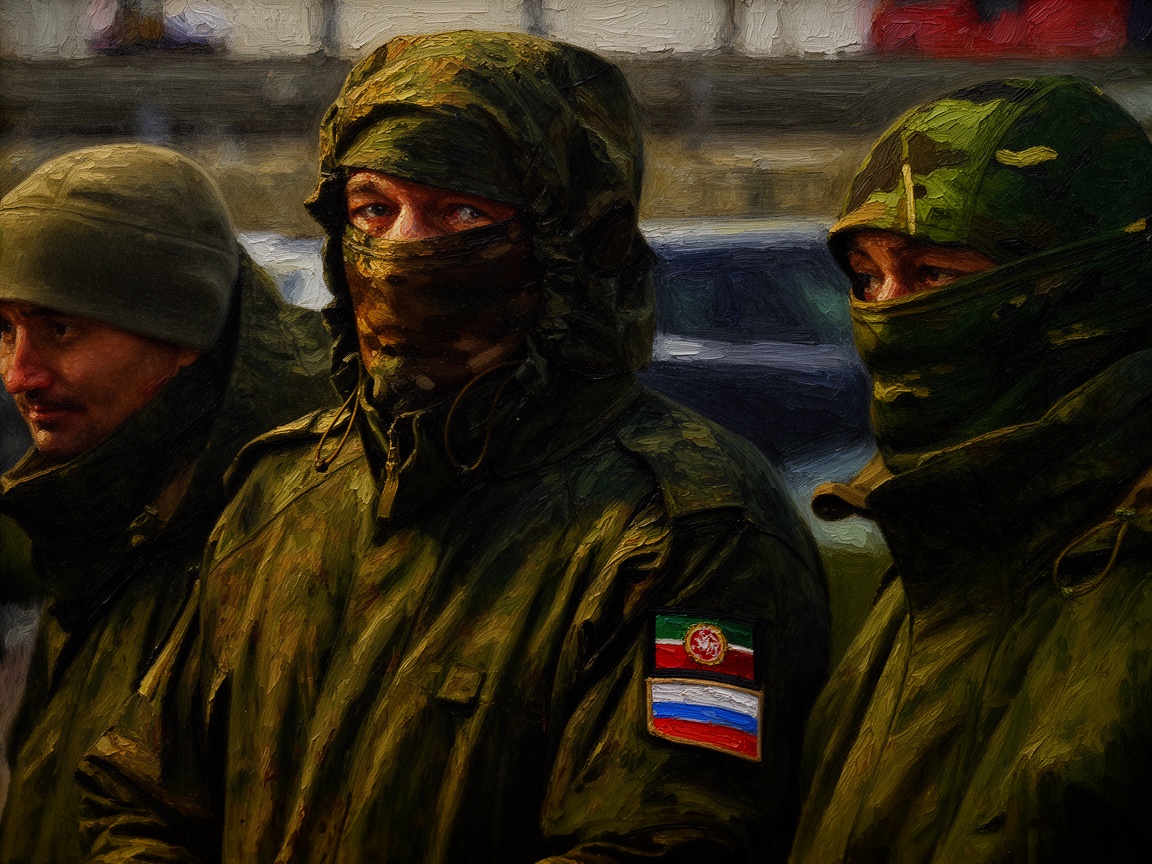

A recent intelligence evaluation has revealed that over 1,000 citizens from Kenya have been recruited to serve in the Russian army to participate in ongoing military operations in Ukraine. Reports indicate that these individuals were lured by promises of financial gain and employment opportunities amid local socio-economic challenges. The recruits are predominantly young men, some of whom may have been misled about the nature of their involvement in the conflict.
This development is significant in the context of Kenya's domestic stability and its international relations. With the backdrop of ongoing unrest in Ukraine, the recruitment of Kenyans by the Russian military raises questions about the influence of foreign powers in African nations. It also underscores the vulnerabilities that local populations face amid economic hardship, which could lead to increased alienation from government structures and a susceptibility to external manipulation.
Key players in this situation include the Kenyan government, which is tasked with addressing the concerns of families whose loved ones have been sent to Ukraine, and the Russian government, which is actively seeking additional manpower to sustain its military engagements. The Kenyan government faces pressure to act decisively to prevent further recruitment and to ensure the safe return of its citizens, which could detract from its diplomatic focus. Russian authorities appear to be targeting vulnerable populations, exploiting economic disparities to recruit fighters willing to join the conflict.
The implications of this trend could be profound, potentially straining Kenya’s relations with Western countries, particularly as they observe how Kenya handles this emerging crisis. A lack of effective response can lead to domestic unrest, as families demand the return of their loved ones. Furthermore, if similar recruitment efforts are observed in other African nations, this could lead to a regional security challenge, inviting increased scrutiny from major powers invested in stabilizing the region.
Historically, Africa has served as a battleground for influence between major powers. The phenomenon of foreign militaries recruiting local populations poses dangers seen in other contexts, such as the recruitment of child soldiers in conflicts across the continent. This case serves as a potential precedent for further destabilization if unchecked.
In conclusion, the Kenyan government must navigate a delicate situation that intertwines domestic discontent with external geopolitical dynamics. Analysts advocate for a multifaceted approach, including diplomatic outreach and public awareness campaigns, to mitigate risks associated with foreign military recruitment, while reinforcing national security and maintaining regional stability.