
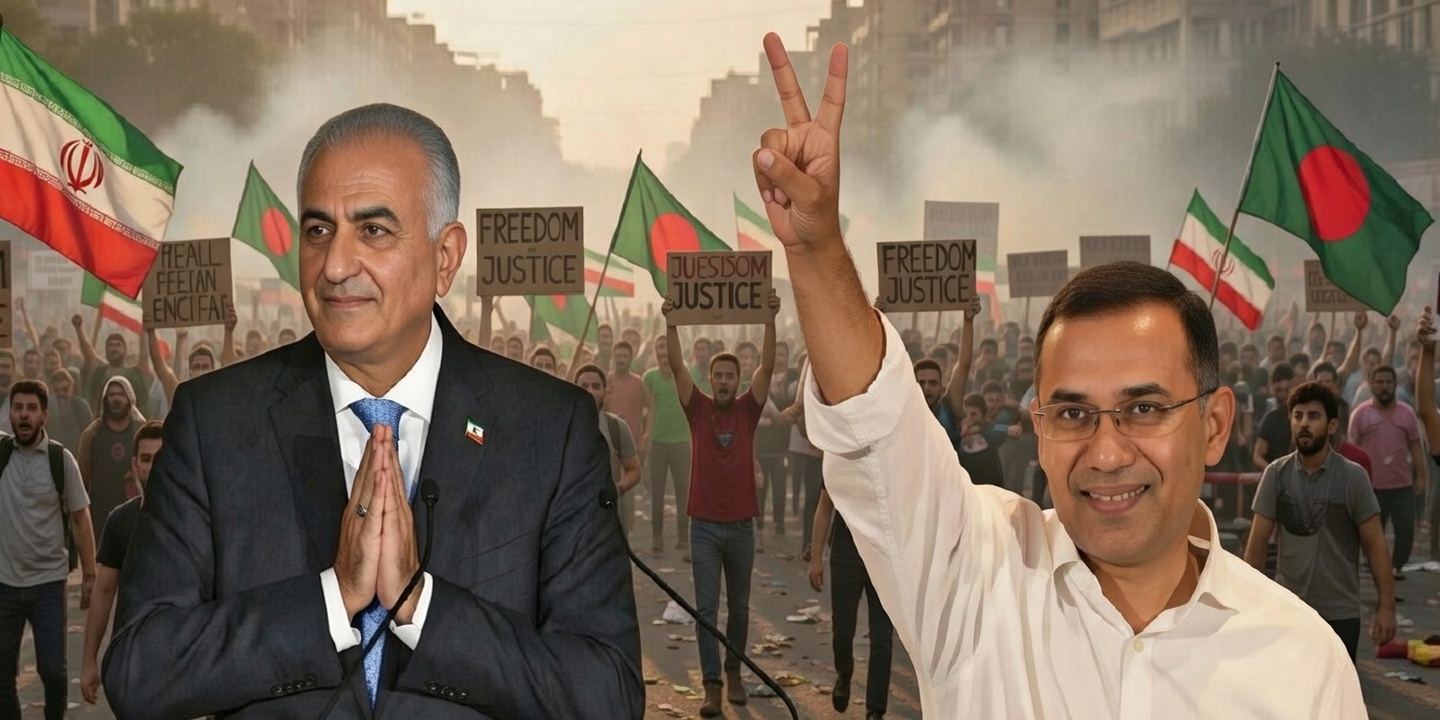
The political landscape in Bangladesh has recently altered dramatically with Tarique Rahman, the leader of the Bangladesh Nationalist Party (BNP), returning from 17 years in exile to assume the Prime Ministership following a decisive electoral victory. His unexpected rise to power underscores a trend where exiled political figures reclaim leadership roles, drawing comparisons to historical leaders such as Nelson Mandela and Charles de Gaulle. This situation has implications not only for Bangladesh but also for regional stability and governance in South Asia.
This development reflects a broader geopolitical context where exiled leaders can significantly influence their home nations amidst political tumult. The battle for governance in Bangladesh is critical, especially considering the nation’s strategic location and its relationships with neighboring India and Myanmar. Rahman's return could signify shifts in foreign policy priorities, potentially favoring a more nationalist and independent approach, which might challenge existing power alignments in the region.
Key players in this evolving scenario include not only Rahman and the BNP but also the ruling Awami League and regional powers. The Awami League, traditionally dominant, may face pressure to adapt or risk losing its grip on governance. Additionally, external influences, particularly from India which has significant vested interests in Bangladesh, will likely play a pivotal role as they navigate Rahman's leadership style and policies.
The implications of Rahman’s ascendancy extend beyond national borders, as they could resonate throughout South Asia and potentially affect Iran. Should Rahman pursue a trajectory that embraces nationalism, it may embolden movements within other regional countries, including Iran, where exiled figures like Reza Pahlavi represent a symbol of opposition to current governance. This alignment of exiled narratives could ignite further dissent in the region's political dynamics.
Historically, the return of exiled leaders has set precedents for political transformation, as seen with both Mandela and de Gaulle. Their leadership transitions often catalyzed significant changes in national policies and social structures—an outcome that Rahman now faces as he navigates the challenges of governance in a nation emerging from contentious political environments.
Analyst assessment indicates that while Rahman's rise has immediate ramifications for Bangladesh’s internal politics, the ripple effects on regional geopolitics could alter diplomatic stances toward neighboring Iran and further complicate the already delicate balance of power in South Asia. Monitoring Rahman's administration will be essential for understanding potential shifts in foreign policy and regional alignments in the coming months.


