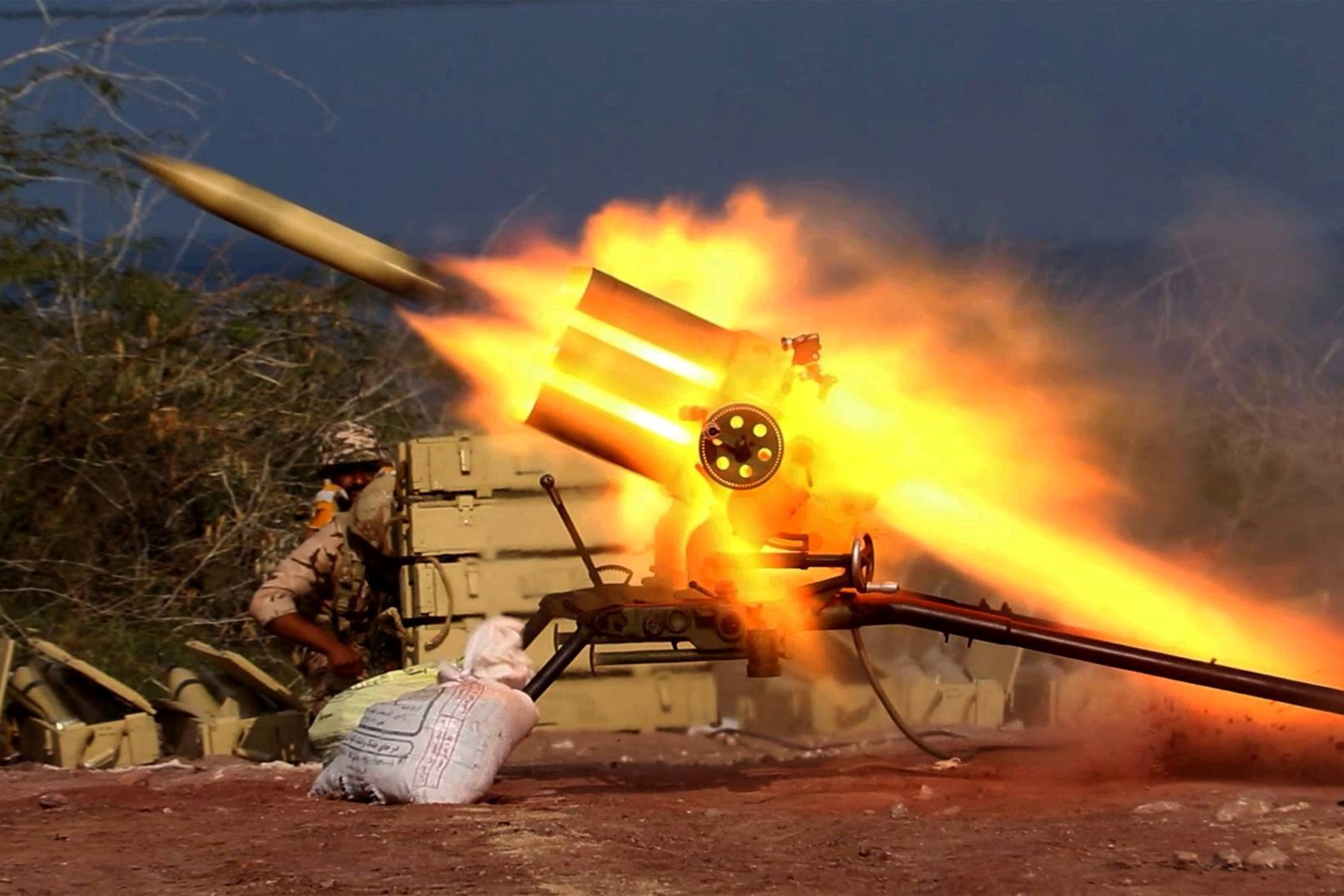
Iran's Revolutionary Guards have threatened to target United Arab Emirates (UAE) ports and military installations following a drone attack that temporarily halted oil loading operations in the crucial Fujairah emirate. This escalation marks a significant deterioration in the regional security landscape and raises the stakes in ongoing hostilities between Iran and the United States, particularly regarding their military presence in the region.
The events leading to this crisis began with US attacks on military facilities on Iran's Kharg Island, which is central to the Islamic Republic's oil export operations. Following these strikes, the Revolutionary Guards issued a stark warning, designating US interests in the UAE — including vital maritime transport hubs — as legitimate targets. This tit-for-tat relationship between the two nations has escalated since the US withdrew from the Iran nuclear deal in 2018, inciting a series of military confrontations in the Persian Gulf.
The significance of this threat cannot be overstated; the UAE, particularly the port of Fujairah, serves as a critical transit and loading point for oil supplies to global markets. Interruptions here can lead to increased oil prices and supply chain disruptions worldwide, further destabilizing economies dependent on Gulf oil. Enhanced Iranian military activity in proximity to UAE territory poses strategic risks to both regional allies and international shipping lanes.
The Revolutionary Guards' rhetoric is indicative of Iran's defiance against US pressure and efforts to enhance its influence in the Gulf. The motivation behind this could be to reassert Iran's regional power and deter further US military actions. This reflects an increasing willingness to engage in asymmetric warfare tactics, which may involve targeting infrastructure supporting US interests in the region, as demonstrated by the drone attack.
Technically, the involvement of drones, likely of Iranian design, showcases Tehran's growing investments in unmanned systems as a vital component of its military arsenal. The precision and reach of such capabilities raise alarms over the potential for further strikes on both military and civilian targets. Fujairah's significance as a shipping hub means that its security is paramount, with interruptions causing ripple effects across the global oil market.
In light of these developments, potential consequences include increased military presence from the US and its allies in the region, which could trigger a cycle of retaliation from Iran. A miscalculation on either side may lead to broader conflict; Iranian capabilities could threaten US projects within the UAE, with catastrophic implications for global oil supply stability and regional peace.
Historically, tensions between Iran and its neighbors have often resulted in direct confrontations, reflecting a pattern where rhetoric exchanges lead to military escalations. Iran's threats echo past incidents, such as the assault on Saudi oil facilities in 2019, highlighting the significance of maritime security as an ongoing flashpoint in the Gulf.
Looking ahead, intelligence analysts will closely monitor Iran's military movements and any signs of operational readiness that might indicate a shift towards action. Attention must also be paid to the UAE's response, as a firm position may either deter Iranian aggression or provoke further escalations, drawing in a wider set of actors into what is becoming an increasingly volatile theater of operations.