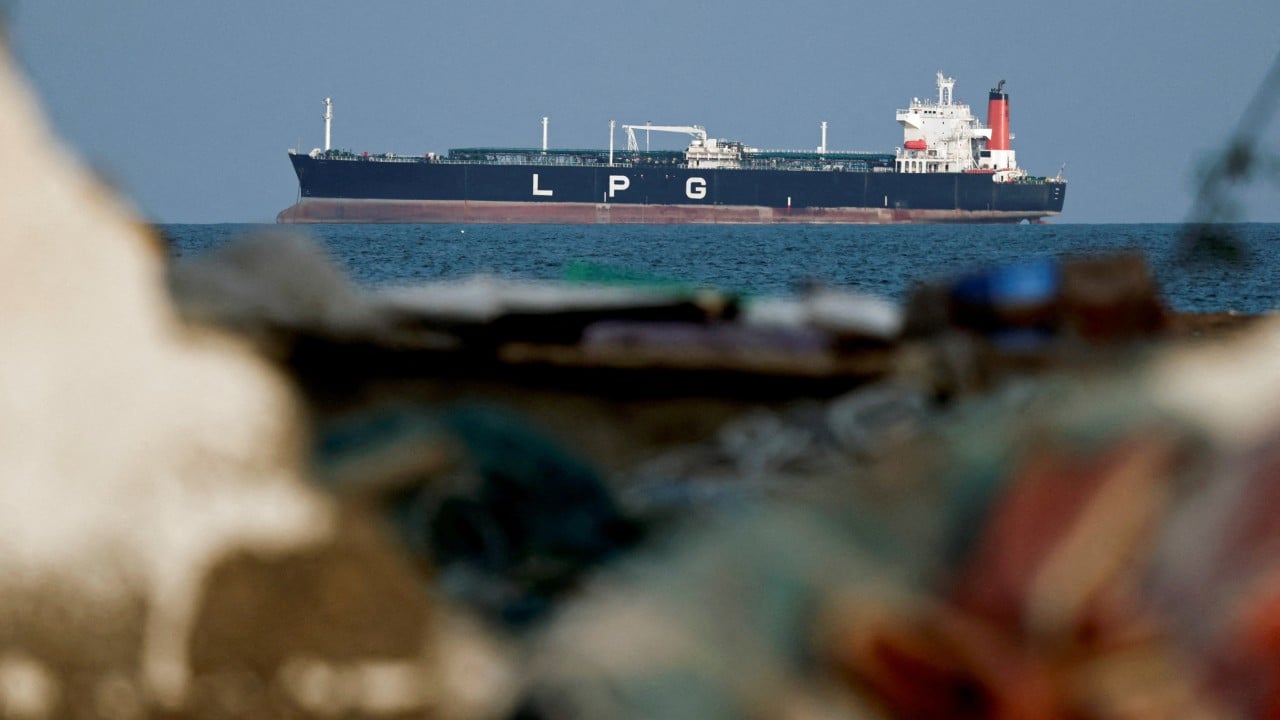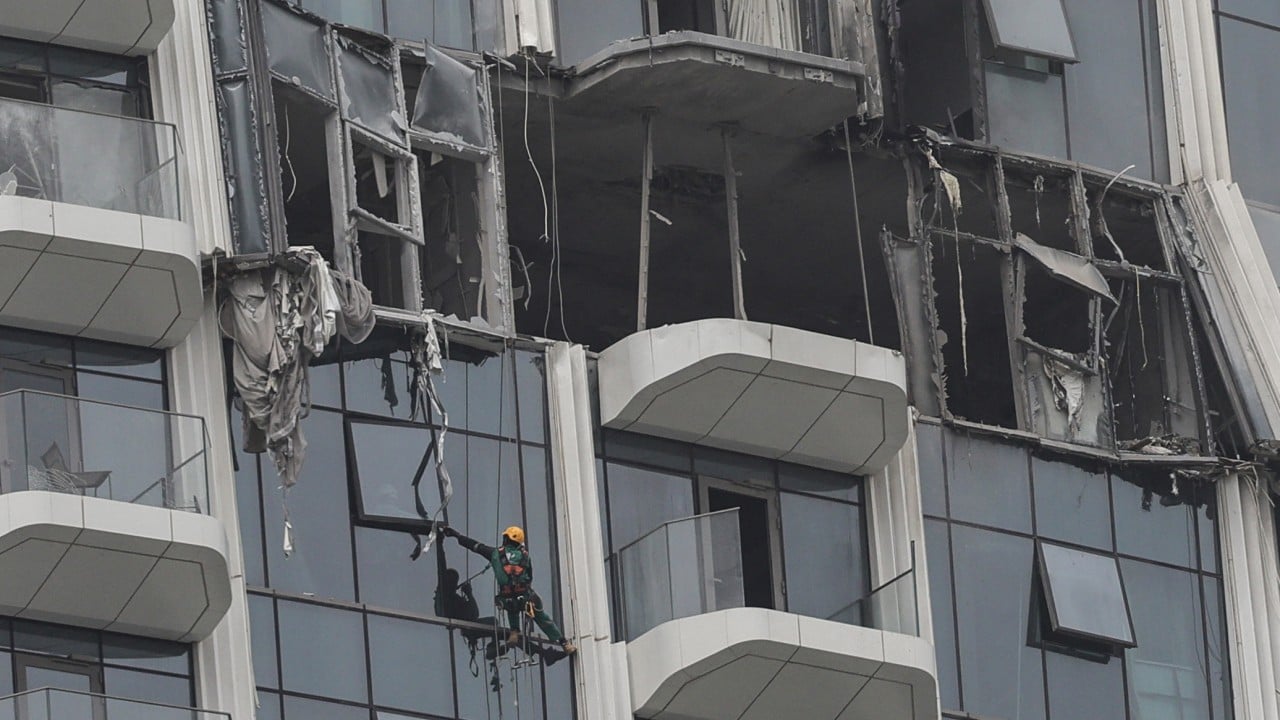
The war in Iran has escalated into a high-stakes crisis that threatens the safety of nearly 9 million Indian workers in the Gulf region. As missile strikes become commonplace, expatriates in cities like Dubai, Abu Dhabi, Doha, and Manama must now navigate a reality where their safety is compromised. Alerts of potential missile attacks have turned into a dire routine, with many residents following strict protocols to protect themselves amidst this turmoil.
Historically, the Gulf States have enjoyed a sense of stability, and the large expatriate community from India has often viewed these cities as safe havens. However, the current conflict has exposed deep vulnerabilities. The perception that conflict in the Middle East would not spill over into their everyday lives has been shattered, leaving Indian workers grappling with uncertainty as regional tensions reach a boiling point.
The significance of this development cannot be overstated. The safety and well-being of millions of foreign workers directly impacts local economies, particularly in the Gulf, which rely heavily on expatriate labor. As the conflict continues, supply chains could be disrupted, further straining businesses already affected by rising tensions. This geopolitical crisis poses a substantial risk to the economic stability of entire nations, heightening the stakes for regional power dynamics.
Key actors in this situation include the Iranian government, which is embroiled in a struggle against multiple foreign powers, and Gulf Cooperation Council (GCC) countries, which have been forced to recalibrate their foreign policies in light of escalating hostilities. Conversely, Indian officials are caught in a delicate balancing act, attempting to protect their citizens while maintaining diplomatic ties with both Gulf States and Iran.
Operational details indicate an increased military presence and response readiness throughout the Gulf, with reports of intercepted missiles becoming more frequent. India's response includes heightened consular support and contingency plans for citizen safety, reflecting a commitment to safeguarding its workforce abroad. The economic ramifications for these countries are severe, as expulsion of workers due to safety concerns would threaten key industries.
The likely consequences of this crisis include heightened military engagements, potential retaliatory strikes, and an influx of refugee populations seeking safety from violence, which could place additional burdens on neighboring countries. There is a real possibility that tensions may escalate into more direct confrontations, further impacting India's economic interests and strategic relations in the region.
Historical parallels can be drawn from the Gulf War of the early 1990s, which saw significant upheaval for expatriates in the region. Lessons learned reveal that conflicts often lead to swift evacuations and disruption of livelihoods, with long-term social and economic setbacks for the affected populations. This current situation may precipitate a similar crisis for Indian nationals, echoing past events where foreign workers faced perilous conditions.
Going forward, the critical indicators to monitor include missile strike frequency, diplomatic engagements between Iran and Gulf States, and the Indian government's response strategies for its citizens. Surveillance of regional military movements will also be essential in predicting escalation points, as the situation remains fluid and unpredictable. The coming weeks will be pivotal in determining not just the safety of Indian workers, but the overall stability of the Gulf region in the face of escalating conflict.