
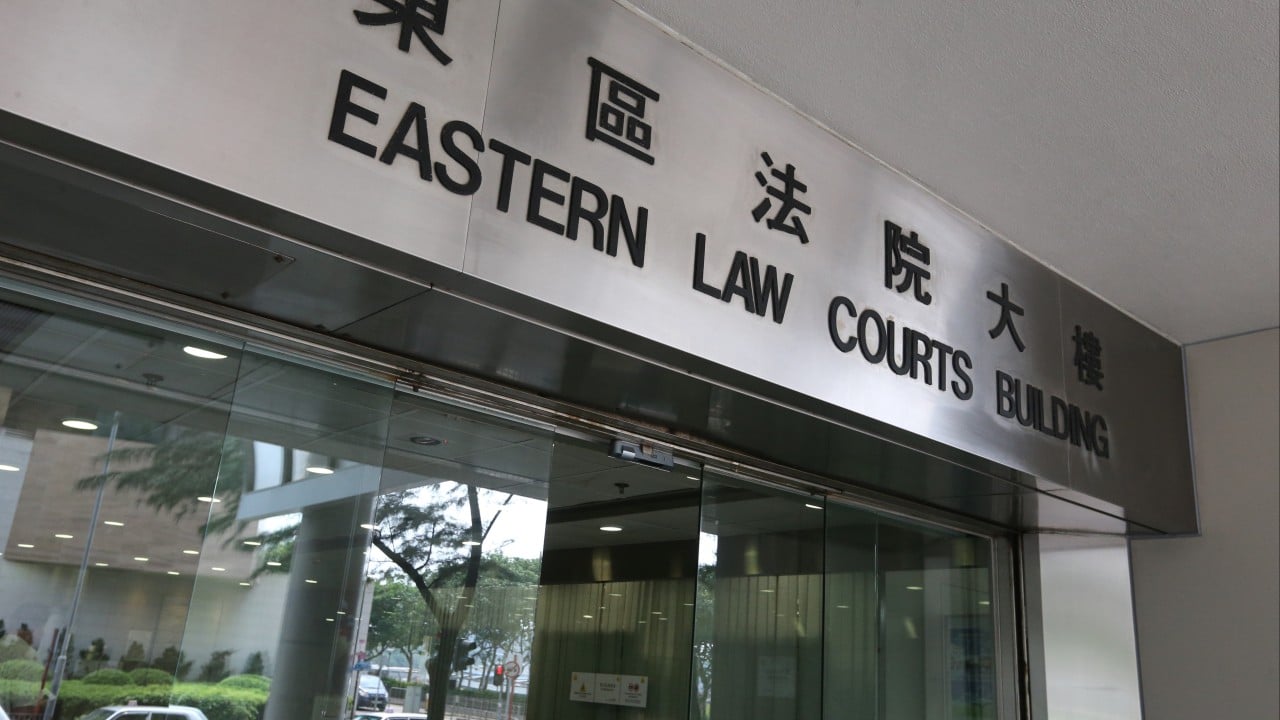
A 21-year-old Hong Kong woman, Ami Chan Hui-ching, has been charged with possessing offensive weapons linked to the 2019 anti-government protests upon her return from Australia. Chan was intercepted while carrying two laser pointers and three bottles of spray paint, classified as illegal items intended for use during protests. She appeared at Eastern Court facing serious charges, which could lead to significant penalties under Hong Kong's stringent security measures.
The history of Chan's situation stems from the 2019 protests, which erupted in response to a proposed extradition bill and rapidly escalated into a broader demand for democratic reforms and accountability. The movement saw widespread participation in Hong Kong, escalating tensions between pro-democracy activists and the Hong Kong government, backed by Beijing. In response to the protests, the authorities have implemented a broad array of security laws aimed at silencing dissent, emphasizing a crackdown on any perceived threats to stability.
This incident is significant beyond Chan's arrest; it underscores the Hong Kong government's intensified efforts to deter any form of protest activity. The ongoing repression poses strategic risks to civil liberties in the city and fuels dissatisfaction among young activists. The use of security laws to target individuals for association with past protests signals a chilling effect that could dissuade future public dissent, potentially igniting further unrest.
Key actors in this situation include the Hong Kong government, which is determined to control dissent following international criticism, and pro-Beijing factions who wish to restore stability at any cost. Chan's arrest indicates a clear psychological warfare strategy: by punishing individuals associated with the protests, the government sends a message to others contemplating opposition.
Operationally, the authorities continue to enforce several controversial laws under the National Security legislation, including laws that criminalize possession of any items associated with protest actions. The likelihood of heavier surveillance and interception tactics will also increase as law enforcement agencies are equipped with more advanced technology aimed at suppressing potential dissent.
The consequences of such arrests can escalate rapidly. Continued targeting of young activists like Chan may lead to heightened societal fractures, with more individuals willing to take risks to oppose government oppression. Escalation can manifest through increased protests, calls for international advocacy, or even active civil disobedience efforts, especially as public sentiment sways against heavy-handed tactics.
Historically, similar government crackdowns on dissent have led to significant societal upheaval. The Tiananmen Square protests in 1989 serve as a tragic precedent, where state repression resulted in both international condemnation and a galvanization of resistance movements. The Hong Kong scenario may mirror this trajectory if the government does not adapt its approach or address the root causes of public discontent.
Moving forward, observers should watch for increased public dissent and solidarity actions in response to arrests like Chan’s. Additionally, indicators of potential international response, such as sanctions or formal protests from foreign governments, could shape the Hong Kong government’s next steps. The situation remains fluid, and any miscalculation could trigger a new wave of unrest in the city.