
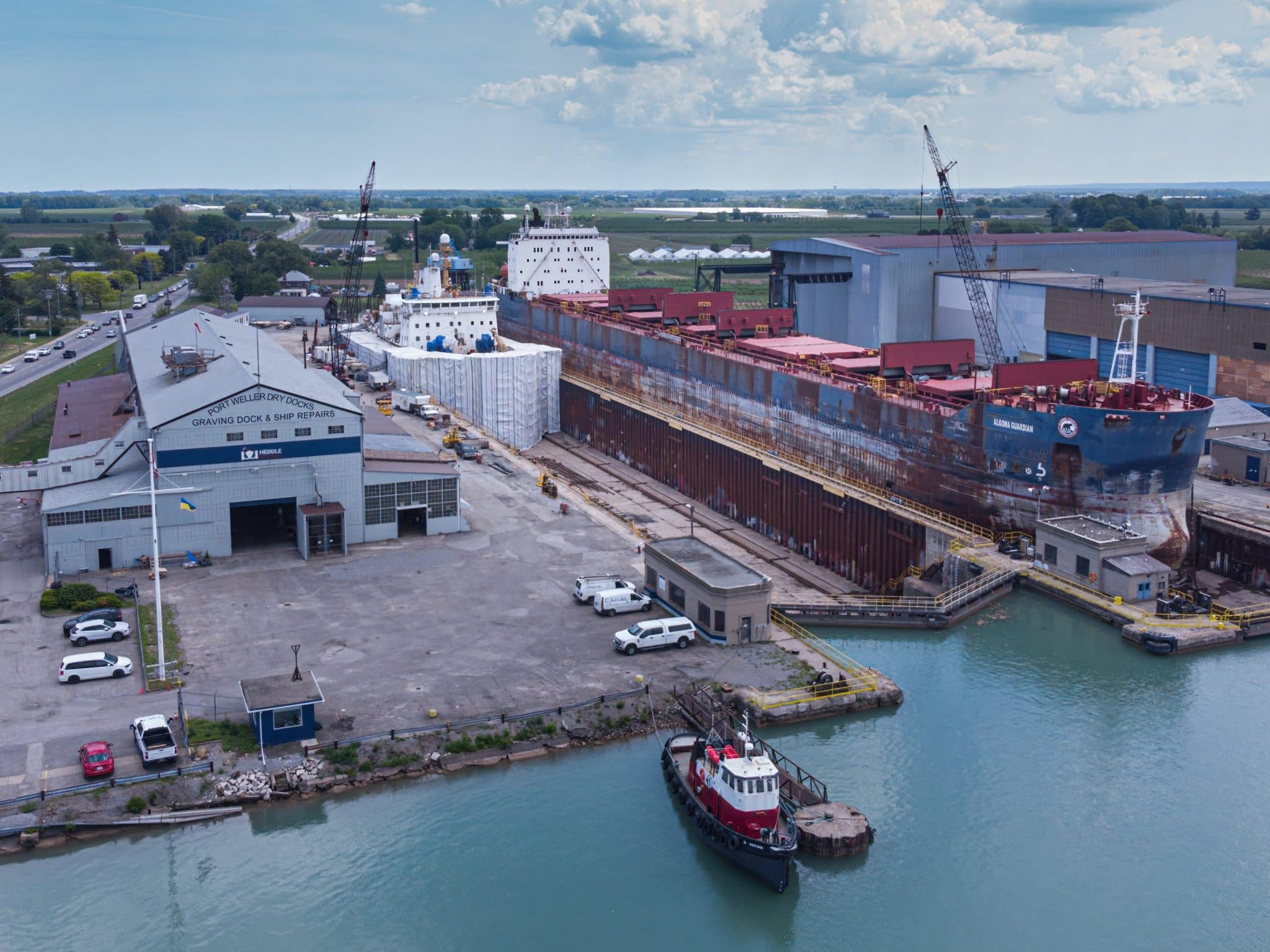

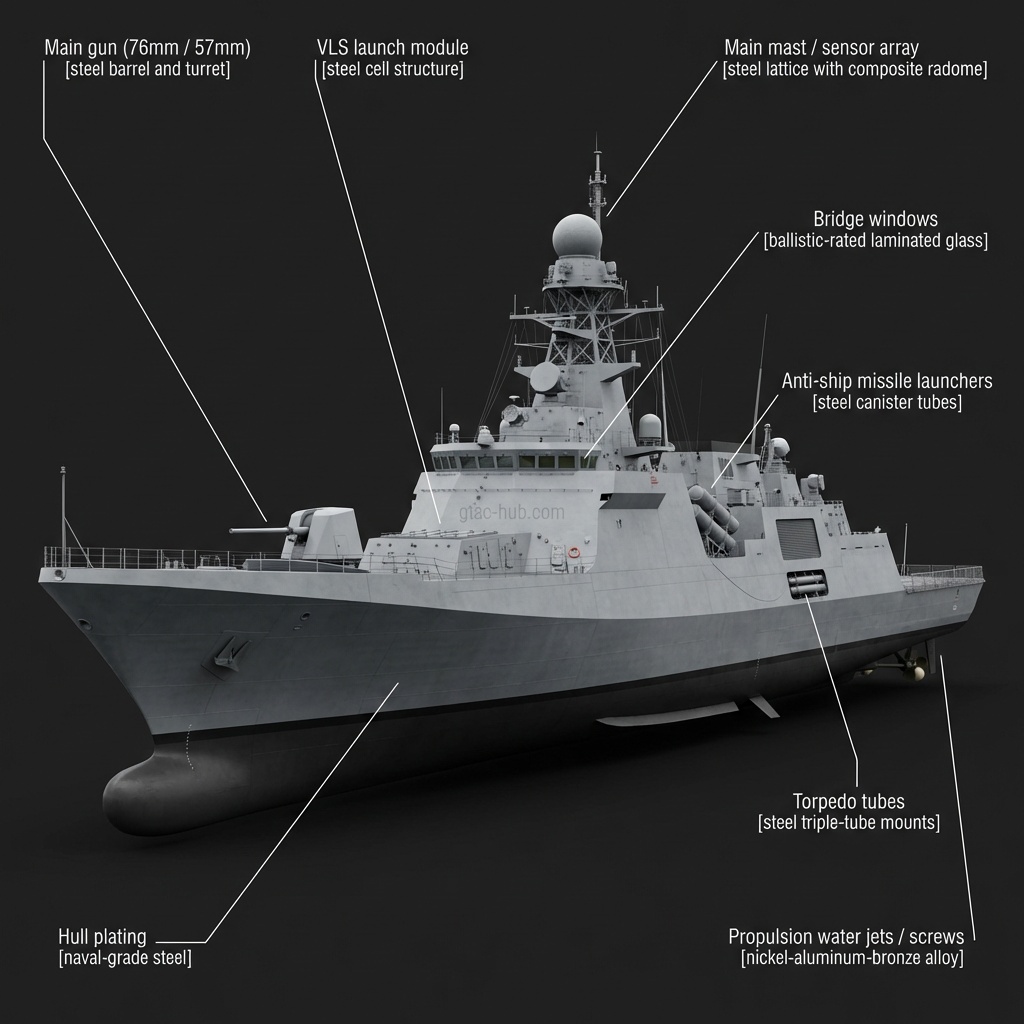
Hanwha Ocean, a prominent player in the defense maritime sector, has entered into a strategic Memorandum of Understanding (MOU) with Ontario Shipyards, aiming to revitalize large-scale shipbuilding operations in Ontario. This partnership represents a significant step towards bolstering Canada's naval production capabilities, which are crucial for upcoming maritime defense projects. In a related initiative, a Letter of Intent (LOI) was established between Hanwha Ocean, Ontario Shipyards, and Mohawk College to foster training programs that will support this revitalization effort.
The reestablishment of shipbuilding capabilities in Canada is strategically significant within the framework of North American maritime security. The move comes at a time when the geopolitical landscape is witnessing increased naval competition, particularly in the Indo-Pacific and Arctic regions. Enhancing Canada's naval production aligns with NATO's focus on collective defense and the need for allied nations to maintain robust maritime capabilities.
Key players in this development include Hanwha Ocean, a South Korean firm recognized for its advanced shipbuilding technologies, and local Canadian stakeholders including Ontario Shipyards and Mohawk College, which aims to provide skilled labor to meet future demands. Hanwha’s motivation stems from its interest in expanding its operational footprint in North America and strengthening its partnerships within the allied defense industrial base.
The implications of these agreements extend beyond Canadian borders; they signal a potential shift in regional defense capabilities and cooperation within NATO. As Canada enhances its shipbuilding infrastructure, it may lead to increased collaboration on naval projects among allied nations, particularly in joint operations and interoperability initiatives. The return of large-scale shipbuilding in Canada could also stimulate economic growth in the region and attract further foreign investments in defense.
Historically, Canada's naval shipbuilding efforts have fluctuated, with significant gaps in capabilities that have impacted maritime defense readiness. These new agreements suggest a policy shift towards reinforcing domestic production capabilities, moving away from reliance on foreign suppliers.
Looking ahead, the success of these initiatives will depend on the commitment of all parties to invest in the required infrastructure and workforce training. Analysts anticipate that if properly executed, this partnership could enhance Canada's strategic autonomy in naval defense and contribute to a more robust transatlantic defense posture against emerging maritime threats.