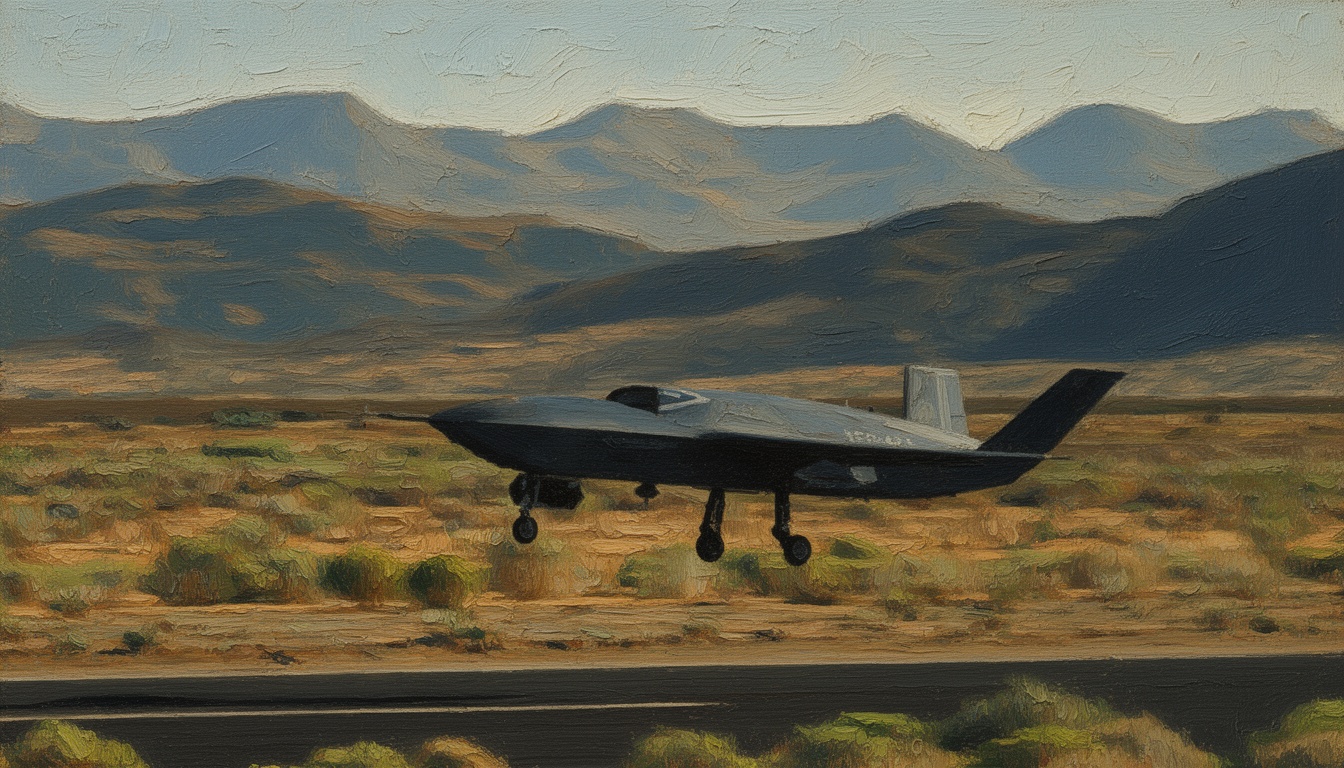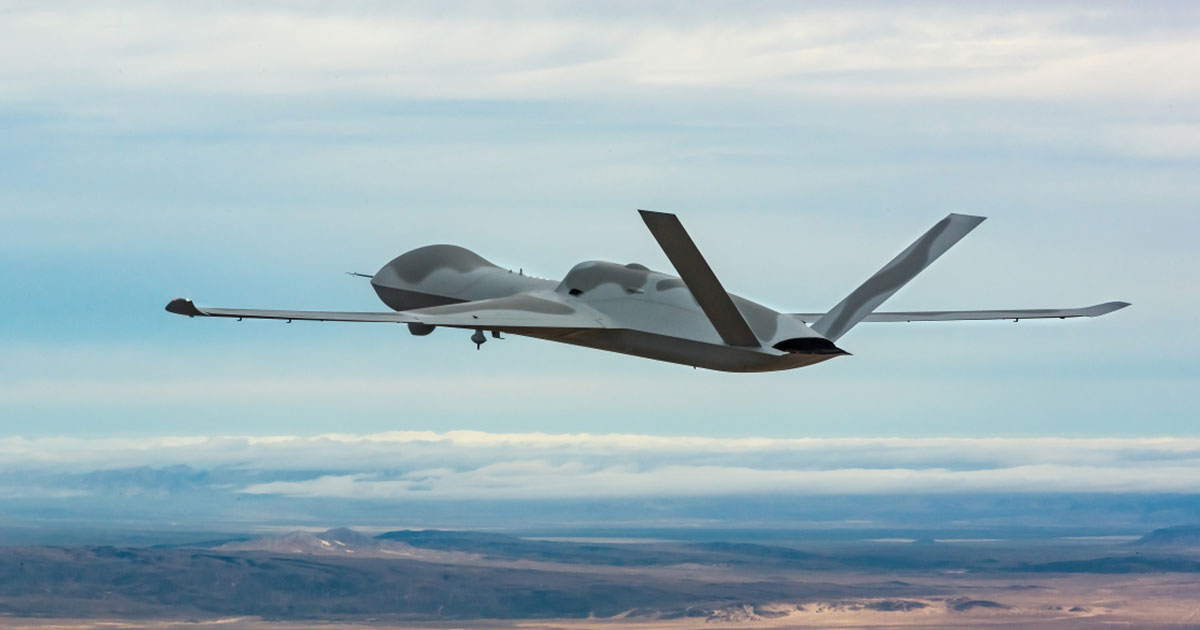
In a milestone demonstration of integrated air operations, the F-22 Raptor and MQ-20 drone successfully completed a manned-unmanned flight exercise. During this event, the F-22, piloted by a human operator, issued real-time commands to the MQ-20, which executed an array of mission tasks ranging from reconnaissance to simulated strike operations. This exercise marks an important step in advancing the U.S. military's commitment to enhancing command and control over unmanned systems in complex environments.
The F-22 Raptor, known for its stealth capabilities and advanced avionics, includes an array of sensors and electronic warfare systems that can vastly improve situational awareness. With a service ceiling of 65,000 feet and a combat radius of over 1,839 kilometers, its ability to dominate airspace makes it an ideal platform for commanding drones. The MQ-20, also developed for long-range missions, operates through networked systems that allow for shared situational data and integrated combat support. Its design incorporates stealth features along with significant endurance, making it effective for surveillance and targeted operations.
The strategic significance of this exercise cannot be understated. As the modern battlefield increasingly incorporates unmanned systems, establishing reliable command protocols between manned and unmanned aircraft is crucial. This exercise demonstrates how the U.S. Air Force seeks to leverage the strengths of both platforms to enhance mission effectiveness and reduce risk to human pilots in contested environments.
Developed by Boeing and Northrop Grumman, the MQ-20 is expected to play a key role in future operations, acting in concert with manned aircraft to perform time-sensitive tasks with greater efficiency. By uniting the advanced capabilities of the F-22 with the operational flexibility of the MQ-20, the U.S. military is positioning itself to respond to a range of emerging threats.
Potential applications of this integrated approach extend beyond conventional warfare. Future scenarios may include complex missions that require rapid reconnaissance and precision strike capabilities in environments where human pilots may be at risk. The successful execution of this manned-unmanned flight exercise illustrates the U.S. military’s commitment to maintaining technological superiority through innovation in operational tactics and systems integration.