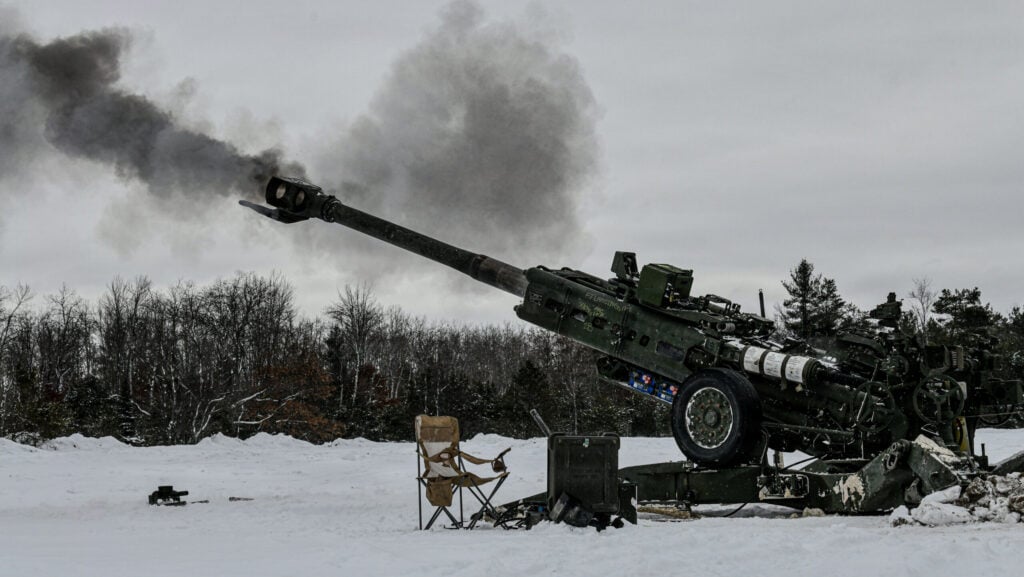
The US military is facing a significant crisis as production of 155mm artillery rounds at the Mesquite facility has severely lagged. This shortfall raises alarms not only for domestic military readiness but also for ongoing foreign military sales that depend on timely delivery of munitions. Army acquisition czar Brent Ingraham expressed explicit dissatisfaction with the facility's performance during recent congressional hearings, indicating that immediate investments are necessary to correct course and avoid further delays.
The Mesquite facility, operated by an unnamed defense industry partner, was expected to ramp up production of 155mm shells to support both US and allied forces, particularly amidst heightened global tensions. Historically, this type of ammunition is essential for ground-based artillery units and has seen increased demand due to rising conflicts in various regions. However, inadequate investment and production capacity have led to the current operational stagnation, highlighting weaknesses in the US defense manufacturing system.
This situation is significant because it underscores a critical vulnerability in the US military's ability to support allied operations and sustain its own combat readiness. As conflicts in Europe and Asia escalate, the ability to deliver sufficient artillery assets on time becomes paramount. The disruption not only affects military operations but also casts doubt on the reliability of US defense commitments to allied nations, potentially shifting power dynamics in the geopolitical arena.
Key players in this scenario include the Pentagon, which may see mounting pressure to secure reliable munitions supply channels, and the involved defense contractor, who may face scrutiny over their production capabilities. The stakes are high, as failure to rectify these production issues could lead to reduced artillery support for both domestic operations and foreign partners, effectively undermining US strategic interests.
The logistical and technical challenges at the Mesquite facility may involve outdated machinery or insufficient workforce levels to meet production quotas. Current estimates suggest a 25% lag in output compared to contractual obligations, which translates into a critical shortfall of thousands of artillery rounds necessary for training and operational readiness. This issue emerges under a broader trend of increasing defense budgets totaling well over $700 billion, making it an unacceptable failure within the military-industrial complex.
The likely consequences of continued production delays include jeopardized foreign military sales contracts, increased pressure on military readiness, and possible escalations in military funding needs. As the situation unfolds, stakeholders must brace for potential implications on foreign alliances, military exercises in allied territories, and even the tactical capabilities of US ground forces.
Historical precedents, such as the struggles faced during the World Wars with munitions shortages, illustrate the significant risks of production failures in times of conflict. The current stagnation at the Mesquite facility may invoke similar hardships, reminding decision-makers of the importance of a robust domestic defense production capacity.
Moving forward, intelligence indicators to monitor include production output reports from the Mesquite facility, budget reallocations for munitions manufacturing, and any public statements from US military officials regarding readiness levels. Watch for potential strategic shifts that may occur as military leaders address these critical supply chain challenges in the wake of this production crisis.