China's recent export restrictions on rare earth elements have triggered a severe crisis for US aerospace and semiconductor industries, with suppliers confirming they are unable to meet demand, resulting in some turning away clients. This deepening shortage comes just weeks before a high-stakes summit between US President Donald Trump and Chinese President Xi Jinping, raising concerns about the timing and underlying tensions in US-China relations.
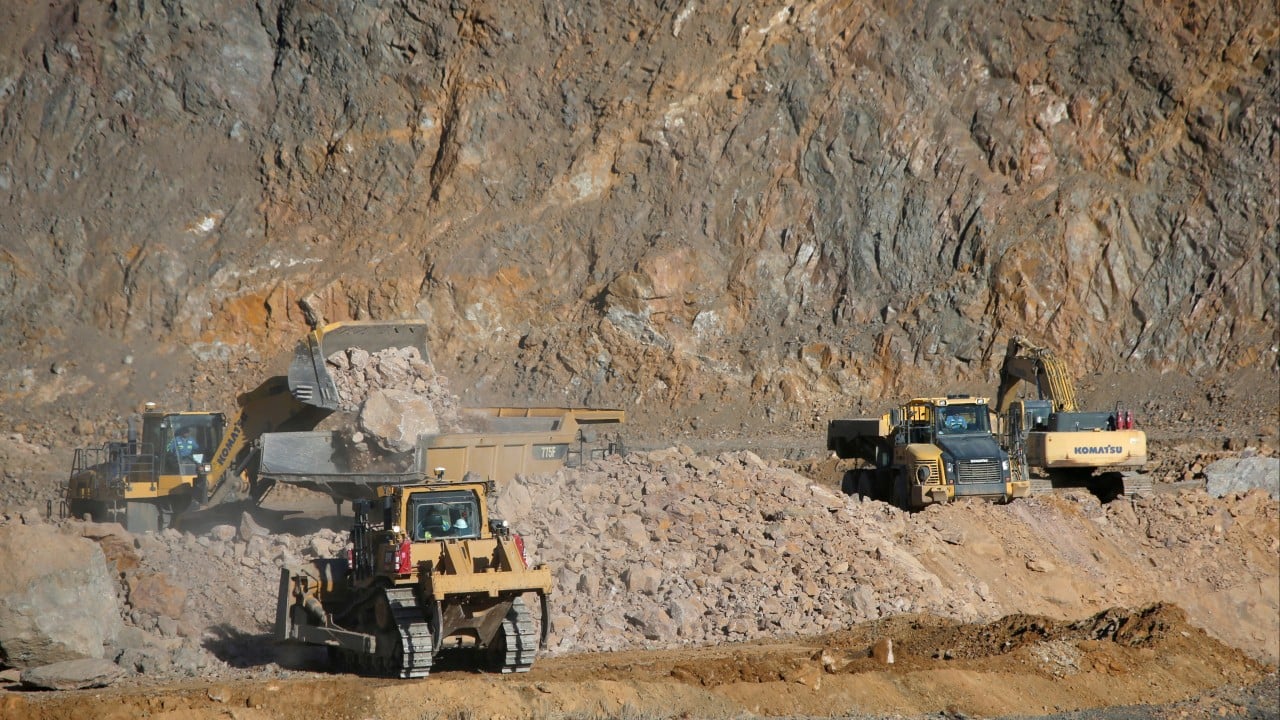
The current shortages stem from China's dominant position in the global rare earth market, producing approximately 60% of the world’s supply of these critical materials. Historically, these elements have been crucial for advanced technologies, especially in defense systems, where they are integral to the performance of complex weaponry and aerospace applications. The US's reliance on China for rare earths has left its industries vulnerable and struggling to secure essential components for manufacturing.
This situation is significant as it exposes serious strategic vulnerabilities within the US defense and technology sectors. The inability to source rare earths like yttrium and scandium can lead to production delays and increased costs for high-value military technologies and civilian applications, jeopardizing national security and economic competitiveness. With the balance of technological power increasingly at stake, this crisis highlights the potential for further escalation in trade tensions.
Key players in this debacle include US aerospace giants and semiconductor manufacturers who are now facing operational slowdowns. Their real motivation is not just to bind to trade agreements, but rather to ensure a steady supply of components vital for producing advanced technologies. If these companies cannot procure the necessary materials, they risk losing their competitive edge and market share both domestically and internationally.
Specifics of the crisis reveal the critical role rare earths play, with yttrium and scandium being vital for aerospace alloys and semiconductors that enable high-performance computing. Reports indicate that US companies are facing shortages that could impact billions in revenue, as the mean annual price for yttrium has surged since the introduction of Chinese curbs, signaling market instability. Furthermore, some suppliers suggest that operational timelines will inevitably be extended as they grapple with the fallout from these restrictions.
As the situation continues to unfold, the consequences could spiral further. If negotiations between Trump and Xi do not yield a resolution, the delays could force US companies to search for alternative sources, potentially increasing their operational costs and leading to long-term supply chain reconfigurations. The potential for retaliatory measures from China could aggravate the situation, leading to a vicious cycle of trade conflict.
This situation draws parallels with previous instances, such as Japan's 2010 export ban on rare earths, which sent global markets into turmoil and demonstrated how reliant industries are on these elements. The historical precedent indicates that the rare earth sector could quickly become a focal point of geo-economic strategy between superpowers, influencing not only market stability but also military readiness.
Looking ahead, the situation remains volatile. Intelligence analysts should monitor developments closely, especially any indications of further trade restrictions from China or efforts by the US to bolster domestic rare earth production. The Downstream implications for defense procurement processes and supply chains will be critical to assess as trade negotiations unfold and the fallout from these curbs continues to evolve.