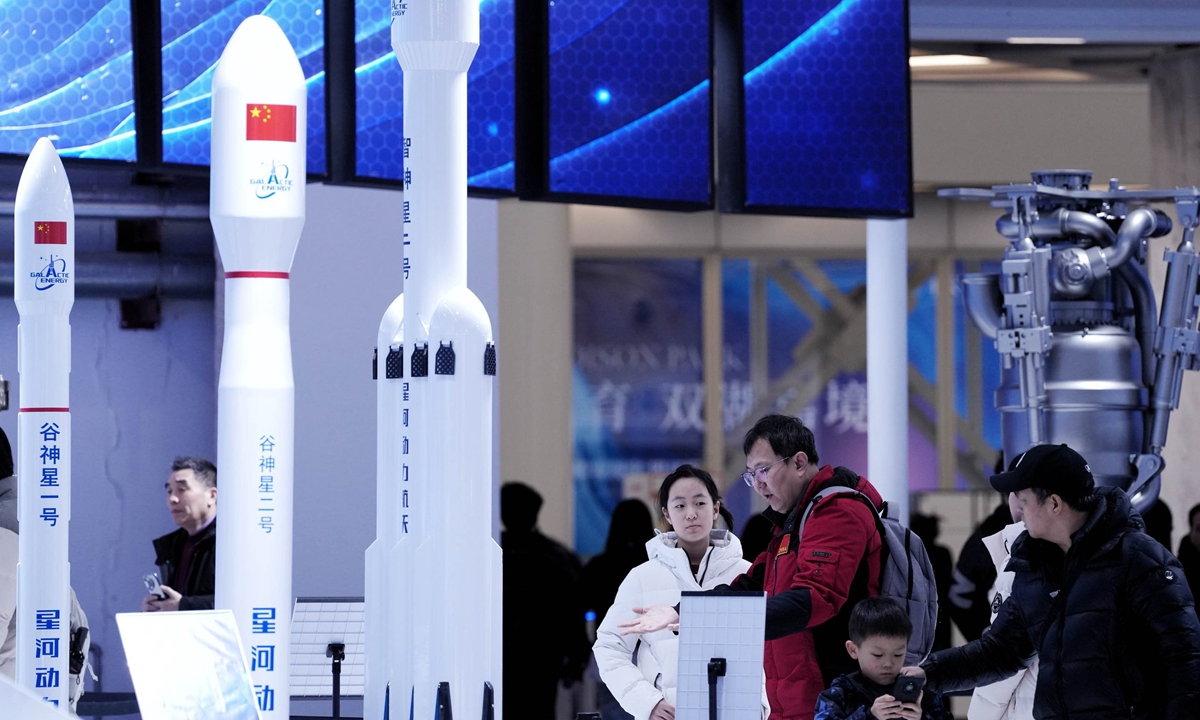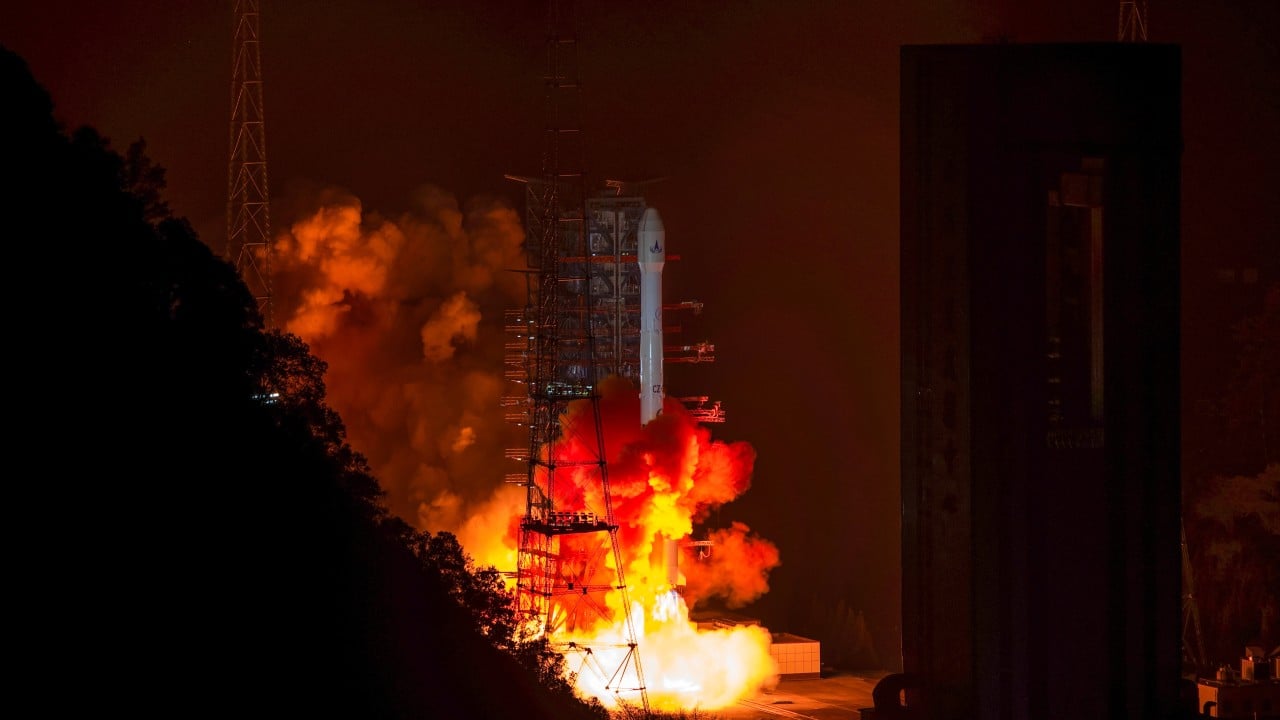
Researchers from a university linked to China's Central Military Commission have called for the country to develop dual-use satellite application systems. This initiative aims to enhance the military capabilities derived from emerging commercial space technologies. There is a distinct emphasis on capturing the advancements made by private firms and integrating those assets into the People's Liberation Army (PLA) framework. This recommendation aligns with global trends indicating a growing convergence between the civilian and defense sectors in space technology development.
The strategic significance of this call for integration is underscored by a global shift towards militarizing space capabilities. As nations invest in space technology, the emergence of commercial platforms such as satellite communication networks can give military forces a competitive edge in real-time information gathering and operational efficiency. The United States’ military incorporation of commercial systems, such as Elon Musk's Starlink, exemplifies a successful model of leveraging private industry capabilities for national defense purposes. As China intensifies its militarization of space, this shift is crucial for maintaining regional parity, particularly concerning the US and its allies.
Key players in this discourse include the Central Military Commission, which drives China's defense policy, and private space technology firms. Their motivations intertwine national security aspirations and the economic interests of private enterprises in the burgeoning space industry. Notably, China's successful integration of these commercial technologies could bolster its military capabilities across varied domains, from ISR (Intelligence, Surveillance, and Reconnaissance) to secure communications.
The implications of China's move towards dual-use technology are profound on both regional and global scales. Should China effectively link its commercial space advancements with military operational frameworks, it could enhance its deterrent posture against perceived threats, particularly from the US and allied forces in the Asia-Pacific region. Moreover, this strategy may accelerate an arms race in space capabilities, prompting other nations to enhance their military capabilities countering this evolving threat.
Historically, the integration of commercial technologies into military applications has proven beneficial for several nations but poses risks of escalating tensions in critical regions. The ongoing developments signal an emerging competitive dynamic in the global space arena, redefining potential engagement strategies in future conflicts.
Analyst assessment indicates that the successful execution of this dual-use strategy by China may rival leading military powers in space capabilities, thereby influencing future security dynamics significantly. As geopolitical tensions rise, the acceleration of such initiatives should be monitored closely for broader implications on international security frameworks.