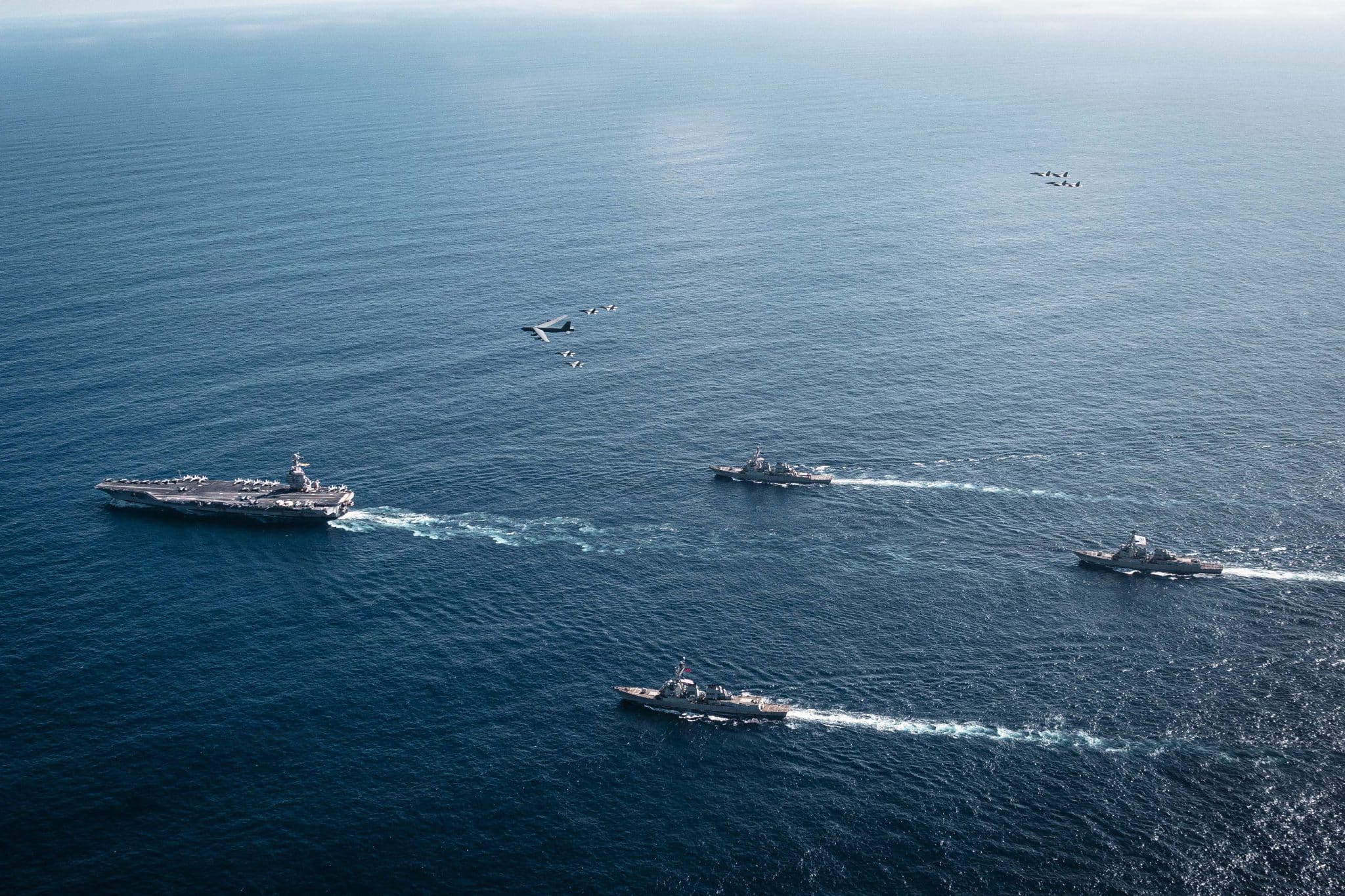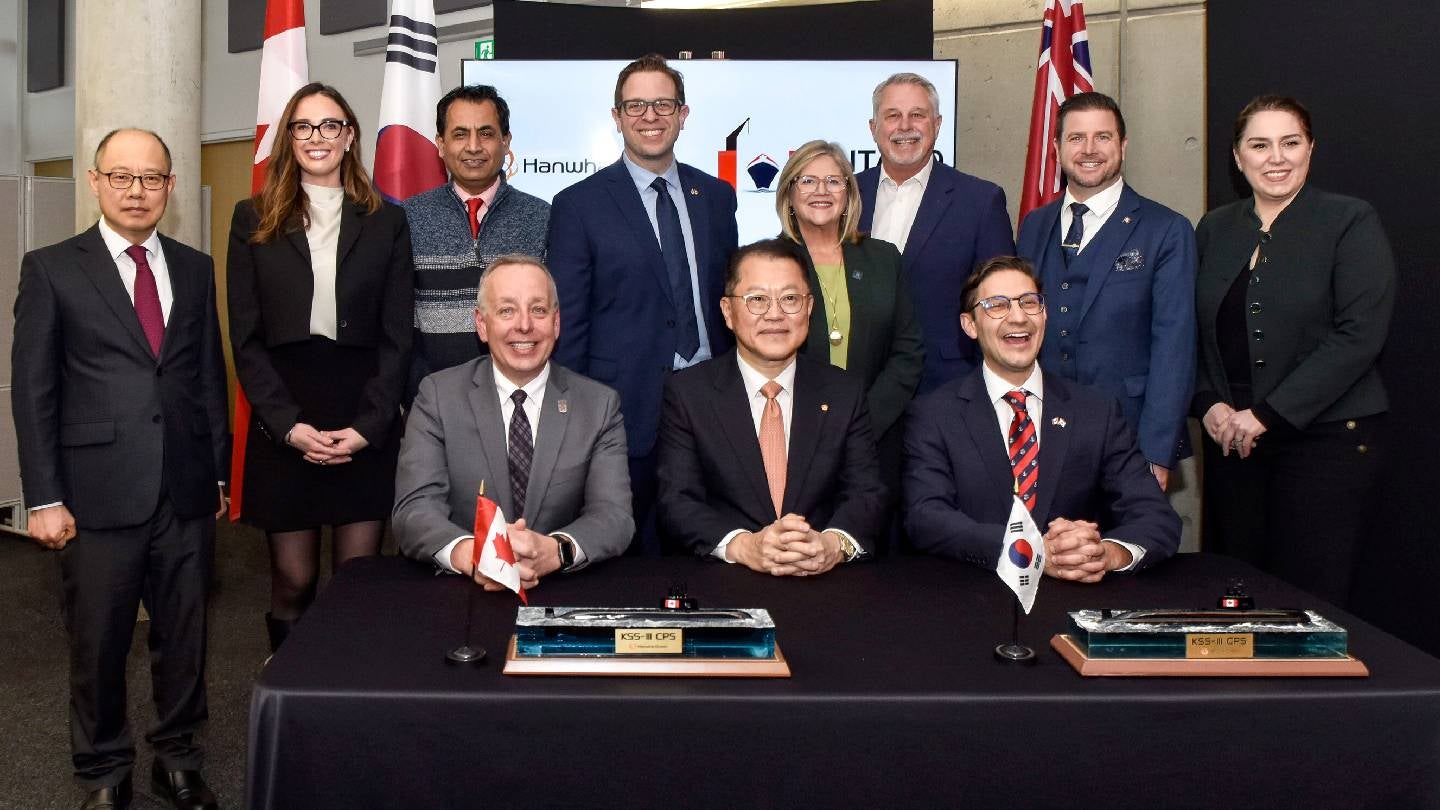
Ontario Shipyards of Canada has entered into a formal Memorandum of Understanding (MoU) with South Korea's Hanwha Ocean. This agreement is designed to enhance Canada's capabilities in undertaking future naval projects, particularly focusing on modernization and innovation within the maritime defense sector. The specifics of this partnership include collaborative development and potential co-production of naval vessels and systems, emphasizing the technological exchange between the two entities.
This move is significant in the context of North American and Asia-Pacific security dynamics. Canada's increasing focus on strengthening its naval capabilities aligns with broader trends of militarization in the Pacific, in response to perceived threats from rising adversarial maritime powers. This partnership may enhance not only Canada's defense posture but also its strategic alliances as it seeks to collaborate with trusted international partners in complex maritime environments.
Key players in this context include Canada's Department of National Defence and Hanwha Ocean, a leader in naval shipbuilding and defense electronics. Both parties stand to benefit from this collaboration; Canada seeks to modernize its fleet amid shifting security challenges, while Hanwha Ocean aims to expand its footprint in North America, particularly in the face of competition from other global defense contractors.
The implications of this partnership could extend beyond bilateral cooperation. Enhanced naval capabilities can lead to increased joint exercises and operational integrations with allies, especially within NATO and the Five Eyes community. Furthermore, as tensions rise in the Indo-Pacific region, Canada's strengthened naval capacity may serve as a deterrent and contribute to collective security measures in the area.
Historically, Canada has demonstrated a commitment to revitalizing its naval forces, particularly evidenced in its 2017 National Shipbuilding Strategy, which aims to replace aging vessels and enhance fleet capabilities. This MoU represents a continuation of that strategy, potentially accelerating timelines for ship construction and modernization efforts.
Analyst assessment indicates that this partnership is a strategic move for Canada, positioning it to better face future maritime threats. As naval capabilities evolve, this MoU may create openings for further collaboration with other allies, shaping a more robust defense posture in crucial maritime theatres.