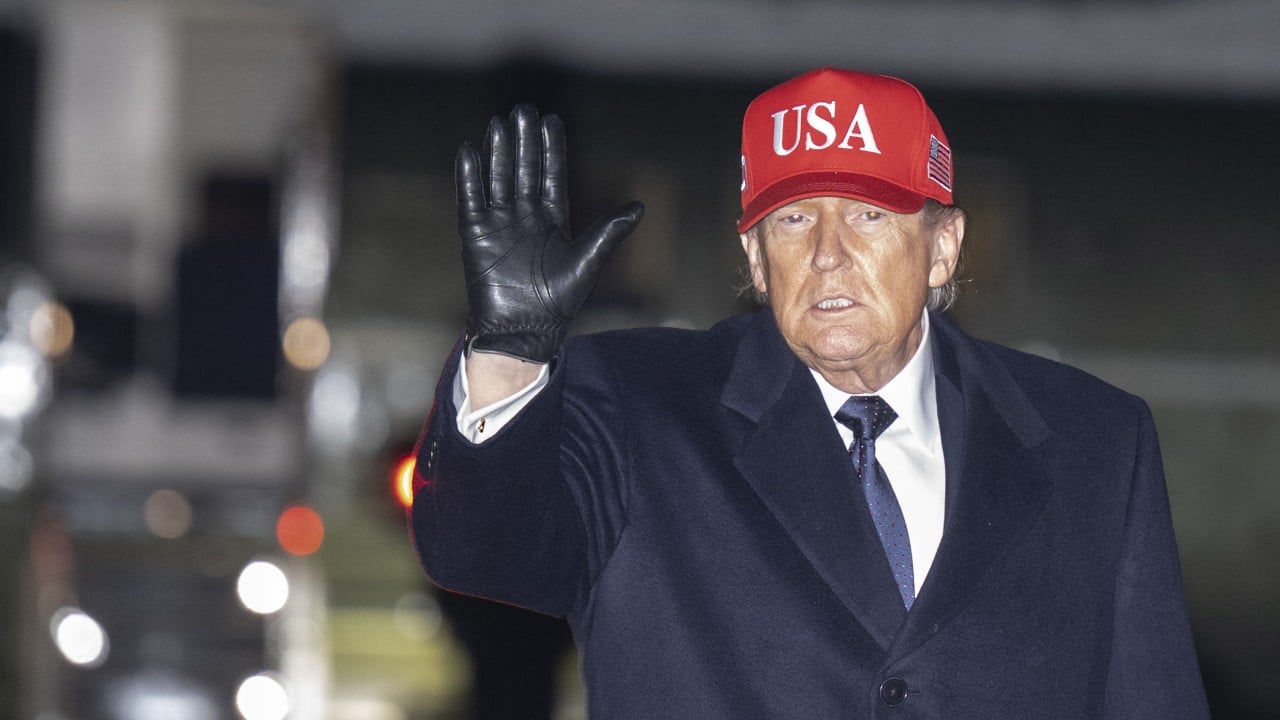
China issued a stark warning to the United States, demanding a halt to actions regarding Taiwan and Hong Kong in light of President Donald Trump's upcoming visit. Beijing specifically condemned US calls for the release of jailed media mogul Jimmy Lai, a prominent critic of the Communist Party, and reiterated its strong opposition to American arms sales to Taiwan, highlighting its growing irritability over perceived foreign interventions.
The tensions have roots in the ongoing crises surrounding both Hong Kong and Taiwan, with the former showcasing Beijing's tightening grip over civil liberties and the latter representing a flashpoint for potential military conflict. Hong Kong has seen significant unrest since 2019, with pro-democracy protests leading to a crackdown by authorities. Meanwhile, Taiwan continues to assert its autonomy, which Beijing views as a breakaway province that must eventually reunify with the mainland.
This situation is significant as it underscores the militarization of diplomacy and the stark power dynamics at play in the Asia-Pacific region. US arms sales to Taiwan, which reportedly reached $1.1 billion in recent years, not only embolden Taipei but serve as a clear signal of American commitment to countering Chinese expansionism. The backlash from Beijing reveals its vulnerability and willingness to react aggressively to perceived threats.
Key actors include the Chinese government, firmly asserting its territorial claims and attempting to dissuade US military support for Taiwan. The motivations extend beyond immediate concerns over Lai and arms sales, reaching into the broader ambition to uphold China's sovereignty and deterrence against foreign involvement in what it considers domestic affairs. The Chinese administration's rhetoric indicates a potential escalation in nationalist policies both domestically and towards the US.
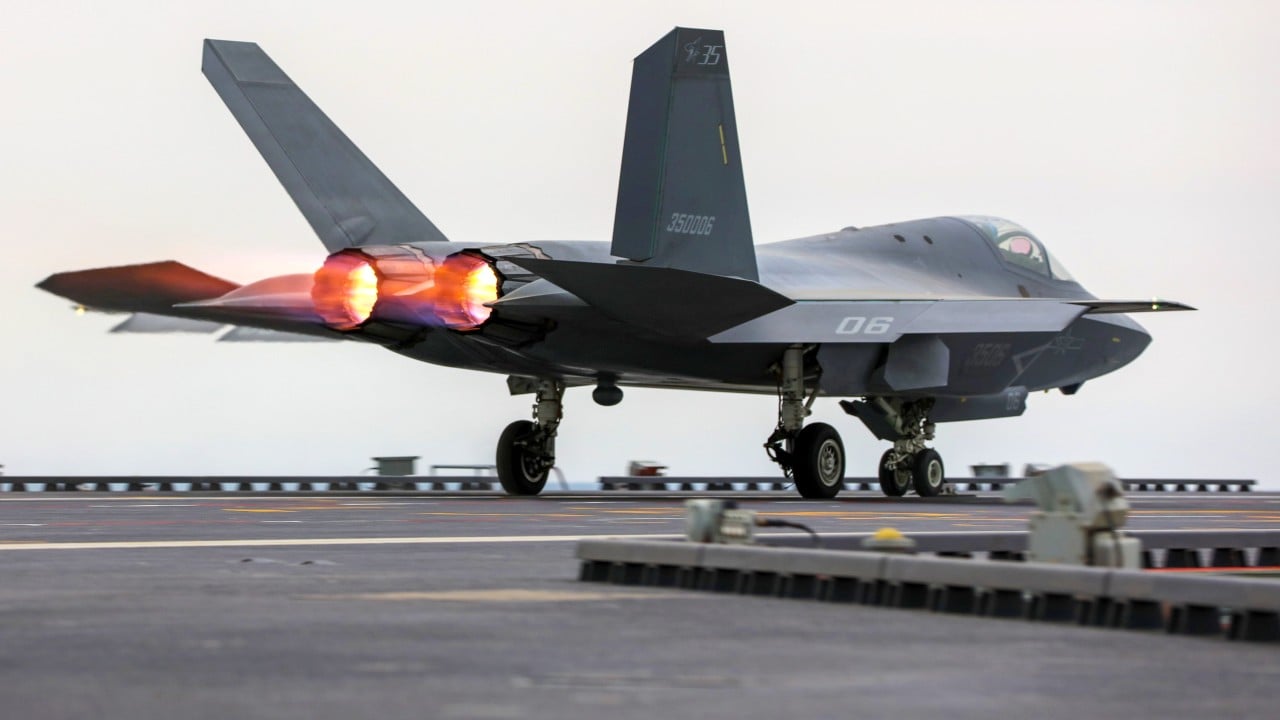
Operationally, recent arms sales approved by the US to Taiwan include advanced missile systems and combat aircraft, essential upgrades to Taiwan's defense capabilities against the growing might of the PLA (People’s Liberation Army). With the Chinese military ramping up its exercises around Taiwan, showcasing its capability to project power, the situation is fragile and primed for miscalculation.
The likelihood of retaliatory actions from Beijing is high, with potential escalation vectors including intensified military exercises near Taiwan, cyber operations against US interests, or further provocations in the South China Sea. These actions not only threaten regional stability but also risk a larger international confrontation.
Historically, the current scenario mirrors the heightened tensions seen in the late 1990s over Taiwan Strait crises, when China conducted missile tests that escalated into significant military standoffs with the US. Such precedents highlight the pattern of tit-for-tat escalations that can spiral quickly when national pride collides with strategic interests.
Moving forward, indicators to watch include the frequency and scale of Chinese military operations near Taiwan, responses to any US diplomatic statements or actions, and the potential for further sanctions against individuals or entities associated with pro-democracy movements in Hong Kong. The geopolitical landscape is shifting, and the US and its allies must remain vigilant.