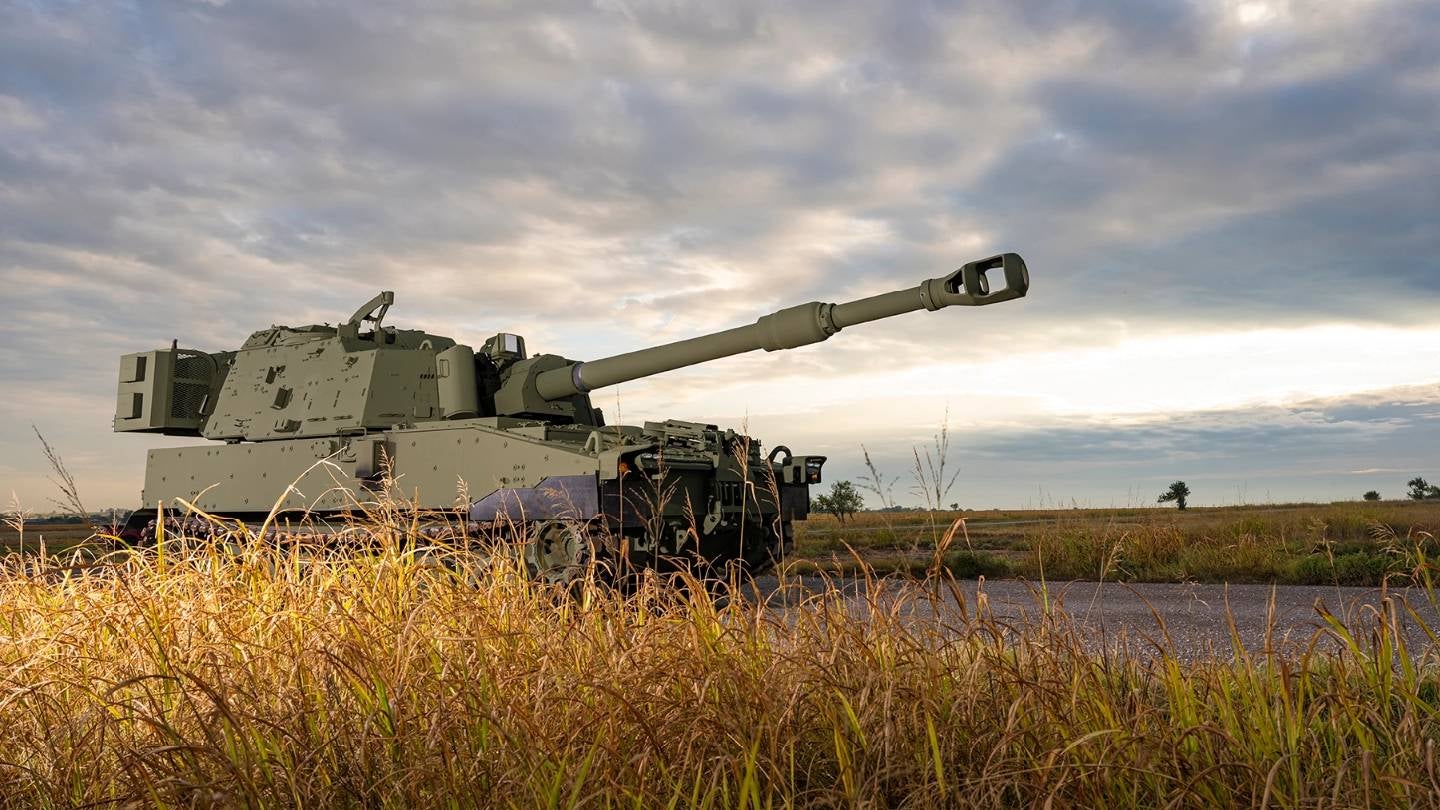
BAE Systems has secured a $500 million contract to supply 100 M109A7 Paladin self-propelled howitzers to the U.S. Army. This order underscores a significant ramping up of artillery capabilities for American ground forces, aiming to enhance readiness and firepower in response to growing geopolitical threats.
The acquisition of these advanced artillery units highlights the increasing urgency within NATO militaries to bolster their defensive postures, particularly in light of Russia's ongoing provocations in Eastern Europe. With M109A7 systems featuring improved automation and a longer range, this move is an indication of the Army's focus on high-intensity conflict scenarios.
Key players in this context include BAE Systems, which aims to maintain its competitive edge in defense contracting amid global uncertainties, and the U.S. Army, demonstrating a possible shift towards artillery as a focal point in modern warfare. This acquisition is part of a broader trend of militarization amongst major powers in response to potential threats.
The contract's signing signals a likely escalation in military capabilities on both sides of the Atlantic, as other nations may seek to enhance their artillery systems in response. The potential for increased arms competition in Europe is palpable, raising the stakes for military readiness.
Historically, single-source contracts of this magnitude often precede significant shifts in military doctrine and strategy. The U.S. Army's investment in artillery revives memories of post-Crimea conflict adjustments where nations globally reassessed their military readiness.
Looking ahead, observers should monitor how this procurement affects U.S. military operations within NATO, especially in high-alert regions, and whether it will prompt corresponding actions from rival nations or allies seeking to bolster their own artillery capabilities.