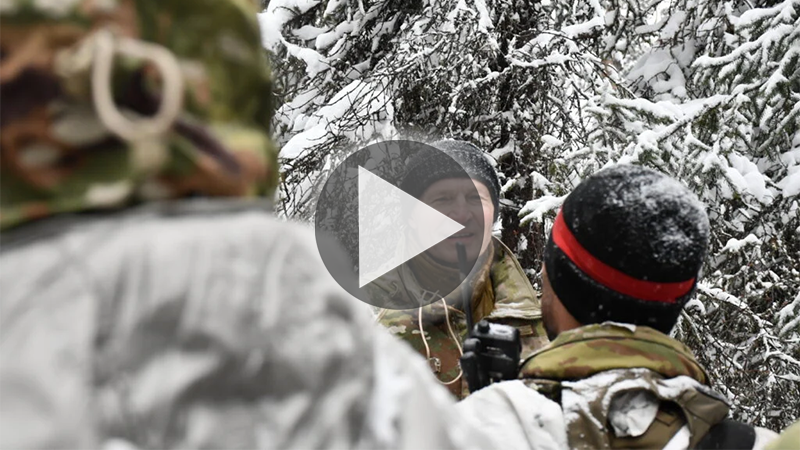
The U.S. Army has conducted significant military exercises in the Arctic region of Alaska this week, showcasing its operational capabilities in extreme environments. These exercises included deployment of advanced equipment such as cold-weather gear, and involved approximately 1,500 troops engaging in joint operations with local partners to enhance readiness for potential conflict scenarios in the Far North.
The strategic context of these exercises reflects a broader trend of increased military attention toward the Arctic, an area of growing geopolitical interest due to climate change, resource availability, and the assertiveness of other nations, particularly Russia and China. As melting ice opens new maritime routes, the Arctic is becoming crucial for NATO and U.S. strategic interests, justifying these military readiness initiatives.
Key players include the U.S. Army, which seeks to demonstrate its Arctic capabilities, and Russia, which has actively increased its military presence in the region. The Russian Federation continues to build more military installations and increase patrols, presenting a direct counter to U.S. interests. China's growing influence in Arctic affairs also requires a reassessment of defense strategies by NATO allies.
The regional and global implications of these military exercises are significant. Increased U.S. military presence in the Arctic may deter aggression from adversaries and reassure allies of America's commitment to defending territorial integrity. However, any perceived militarization of the Arctic may heighten tensions, leading to an arms race in the region or conflicts over resources.
Historically, Arctic operations have not only tested military preparedness but have also influenced diplomatic relations. The Cold War era saw similar strategic deployments, which shaped the current geopolitical landscape. These present-day exercises may also reflect an awakening to the necessity for comprehensive Arctic strategies that incorporate both military and diplomatic avenues.
Analyst assessments indicate that the continued focus on the Arctic by U.S. forces will likely serve as both a deterrent and a means of asserting influence in a rapidly changing environment. Future exercises coupled with international collaboration may be essential in establishing a stable balance in Arctic security dynamics.