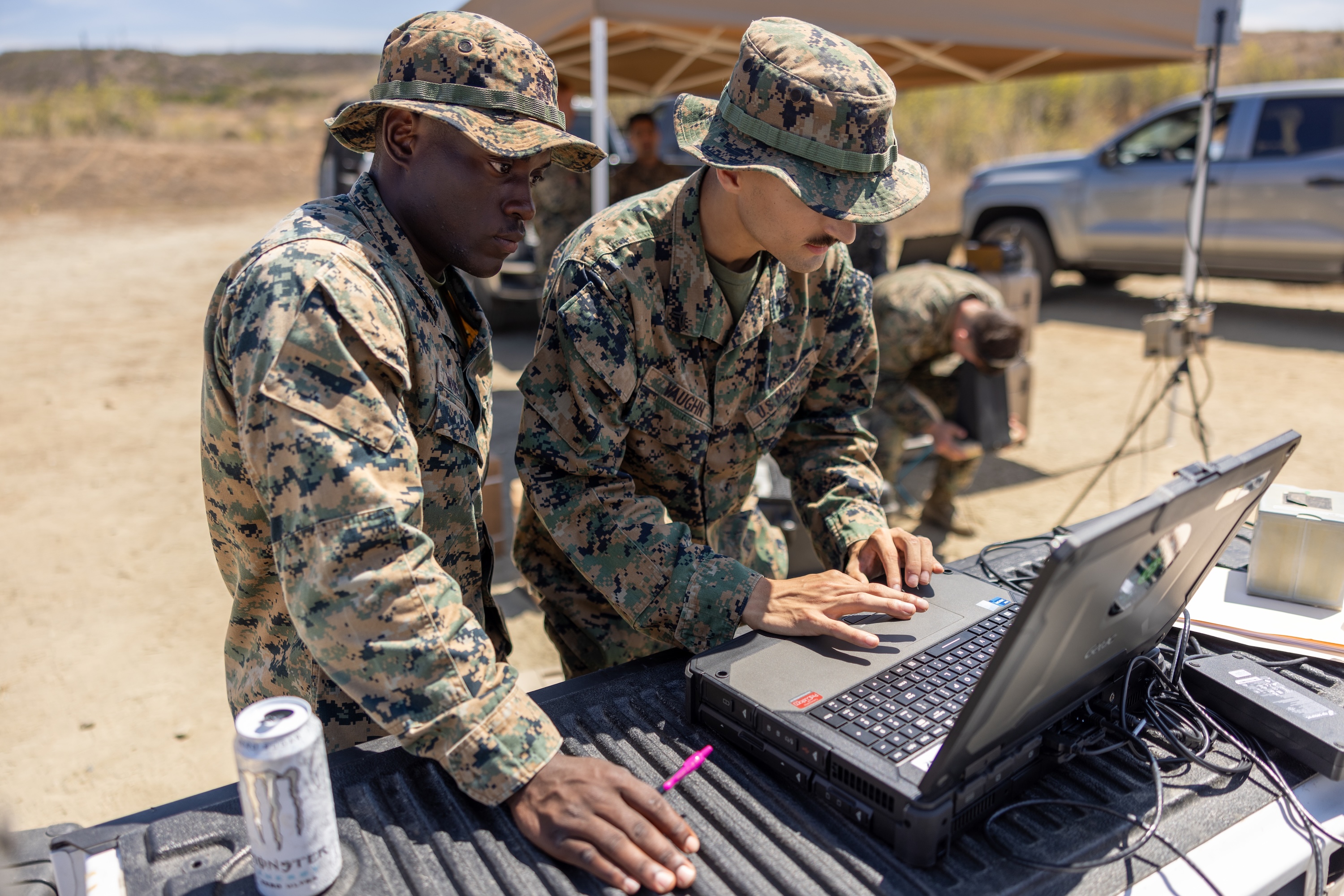
The 2nd Cavalry Regiment is confronting rising costs in its ambitious testing of over 17 unmanned ground vehicles (UGVs) as part of the U.S. Army's xTech Edge Strike Ground competition. This development highlights serious budgetary pressures amid the Army's broader technological ambitions, raising concerns about procurement feasibility and operational sustainability in a contested European theater.
Historically, unmanned systems have been a key focus for military modernization efforts, particularly following advancements in drone technology over the last decade. The U.S. Army's commitment to integrating UGVs into its combat formations is designed to enhance battlefield efficiency and reduce risks to personnel. However, the financial implications of producing and maintaining these systems have now become a glaring issue, jeopardizing the Army's timeline and strategic goals.
The significance of this testing phase cannot be understated. As the U.S. military grapples with high-profile threats from adversaries like Russia and China, the ability to deploy cost-effective robotic systems becomes critical. This situation exposes vulnerabilities in U.S. defense spending, specifically in acquiring next-generation technologies that are essential to maintaining a competitive edge in Europe and beyond.
The 2nd Cavalry's actions stem from a perceived necessity to modernize and maintain lethality against peer adversaries. However, the escalating costs and potential operational delays may suggest a lack of foresight or a disconnect between high-level military objectives and on-the-ground realities. The regiment aims to showcase efficacy in military robotics, yet each UGV’s price tag may force reconsideration of near-term adoption versus long-term investments.
Currently, UGVs under testing include diverse designs, ranging from reconnaissance to armed variants. Specifications vary widely; some systems are outfitted with advanced sensors and weapons packages, while others focus on logistical support capabilities. With prices escalating into millions of dollars per unit, the financial burden may limit operational deployment and expand reliance on foreign technology, further complicating U.S. military strategies.
The immediate consequence of this situation could see the 2nd Cavalry's integration plans stalled, potentially reducing its responsiveness in current and future conflicts in Europe. Failure to reconcile costs may also prompt a reevaluation of similar programs across multiple branches of the U.S. military, leading to broader repercussions within defense modernization initiatives.
This scenario parallels past military innovations, such as the introduction of the M1 Abrams tank, which faced substantial delays and cost overruns prior to deployment. Historically, such setbacks can signify larger systemic issues within military procurement and risk long-term operational capabilities on the battlefield.
Moving forward, analysts should closely monitor budget revisions, timelines for UGV integration, and potential shifts in procurement policies. Intelligence indicators will likely emerge from ongoing assessments that could either validate or undermine the Army's strategic direction on unmanned systems. Attention should also be given to international responses or competitive advancements within NATO partners or rival powers pursuing similar technological investments.