GLOBAL TACTICAL ANALYSIS CENTER
165 INFORMES CATALOGADOS -- "United States"
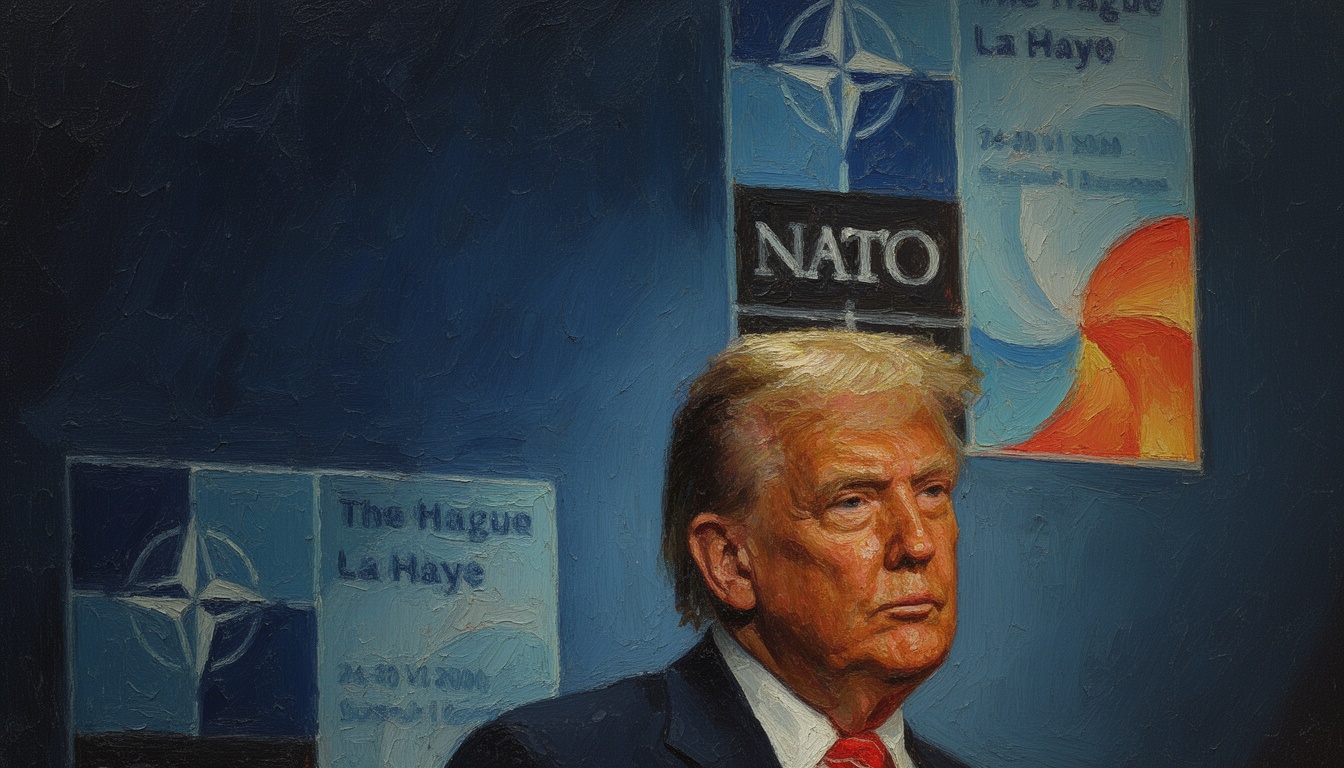
NATO debates scrapping annual summits amid sustained friction with the United States. The move signals deeper strains over burden sharing and alliance discipline as Washington signals harsher criticism of members’ contributions to Iran-related operations. The outcome could recalibrate alliance visibility and political signaling across Europe and North America.
Global arms outlays rose to a fresh peak of $2.9 trillion in 2025, signaling persistent insecurity and renewed rearmament. The top three spenders—the United States, China, and Russia—account for over half of this total, underscoring a shifting balance of power and intensified competition. The data point to a sustained acceleration in defence budgets across major powers and key regions.
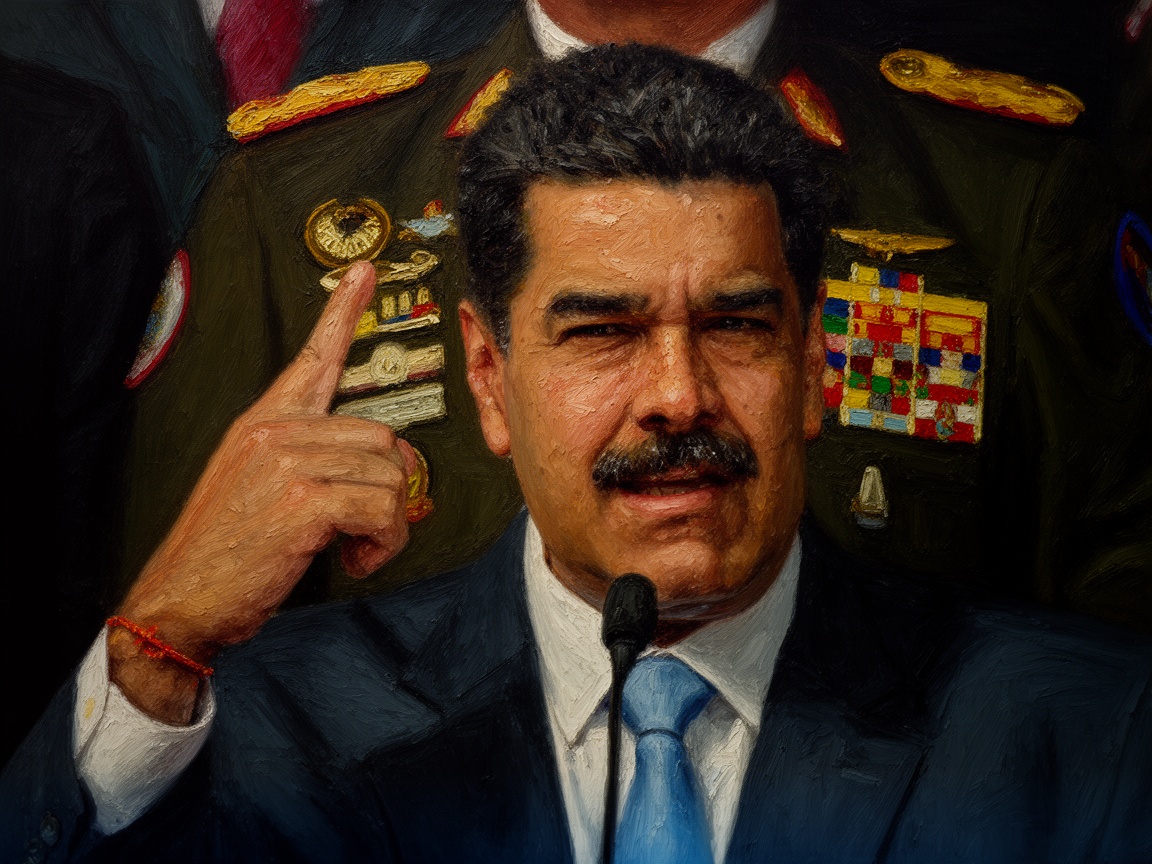
The United States has authorized the Venezuelan government to pay for legal representation for Nicolás Maduro. Defence lawyers had argued the case should be dismissed due to alleged violations of Maduro's rights amid an apparent US-led abduction dispute. The move signals a shift in how the case will be funded and may affect diplomatic and legal dynamics surrounding Venezuela's governance and sanctions regime.
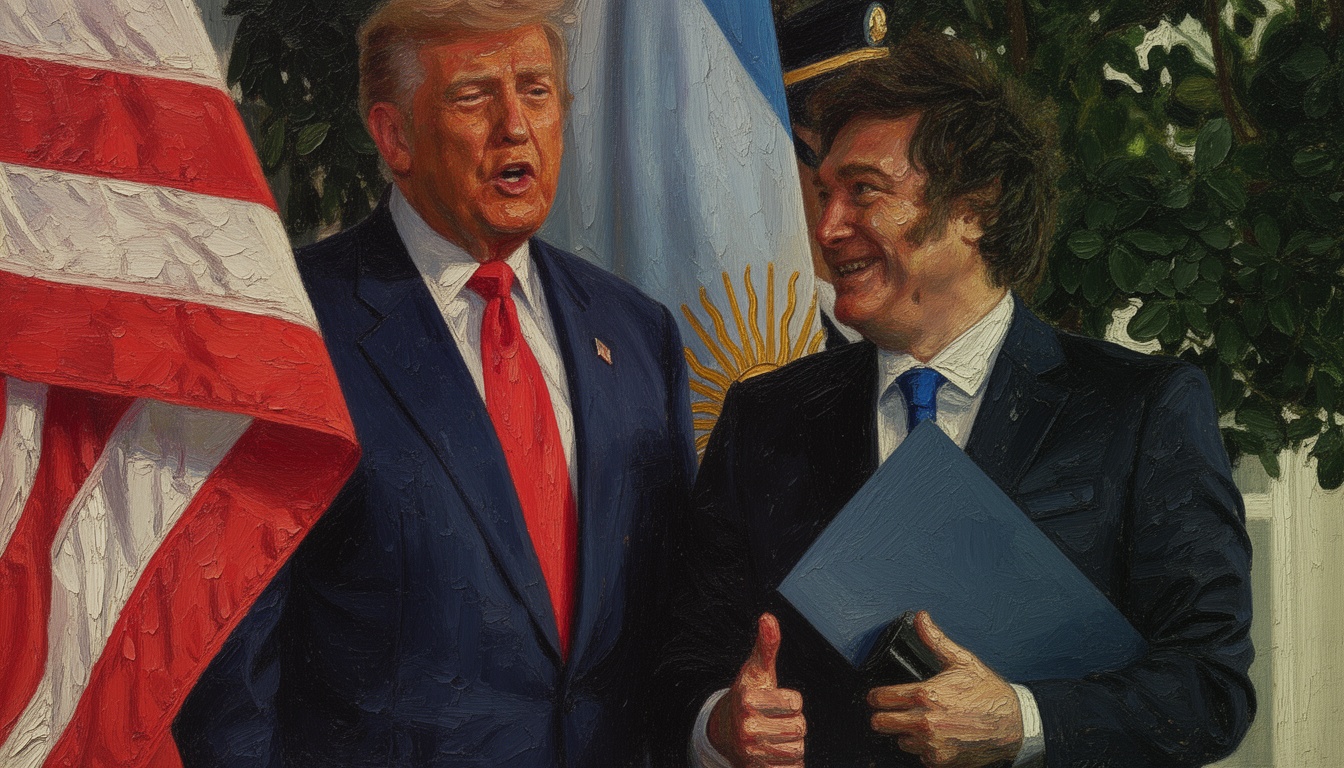
Argentina renews calls for bilateral talks with the United Kingdom over the Falkland Islands. Contending reports claim the United States could alter its stance in response to UK positions on the Iran conflict. Washington has signaled neutrality, while Downing Street reiterates sovereignty remains non-negotiable. A leaked internal Pentagon memo reportedly explored punitive options for allies refusing to join strikes.
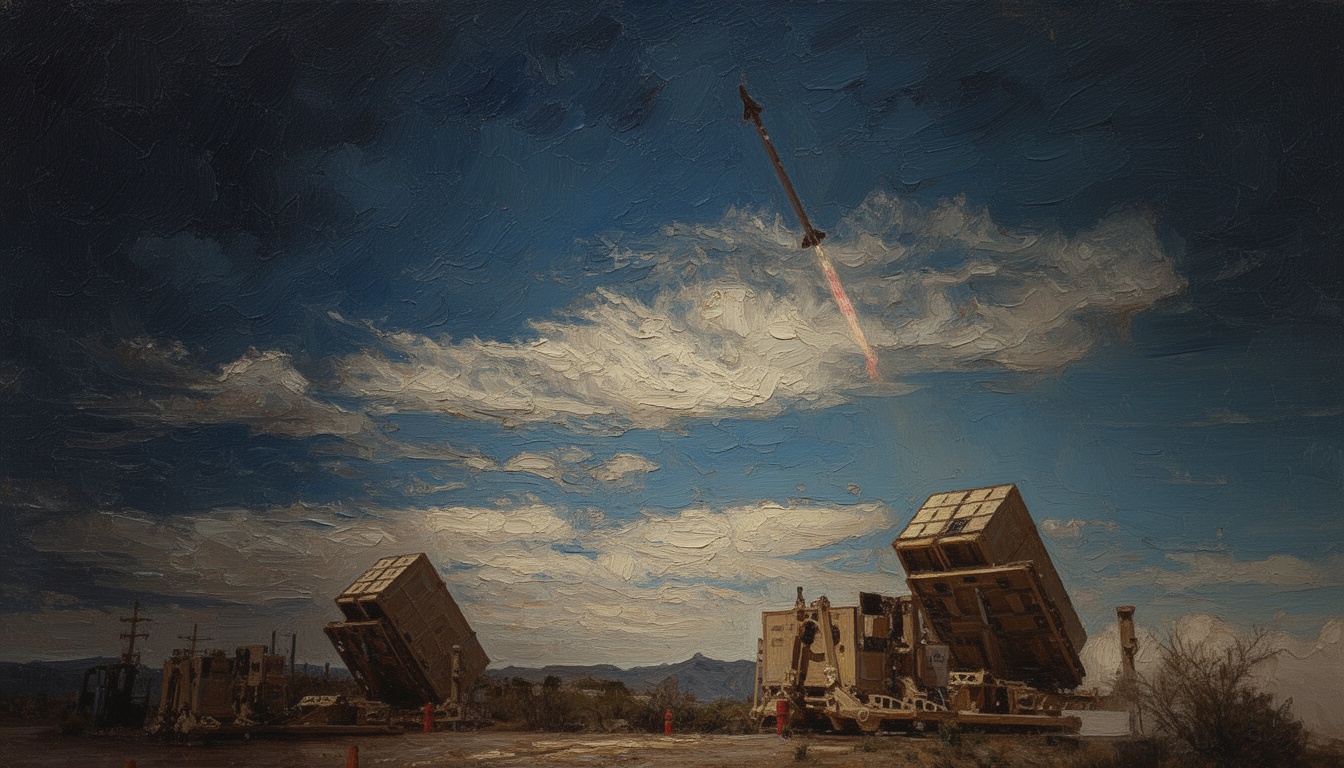
Leidos has won a $617 million U.S. Army contract to manufacture additional launchers for the Indirect Fire Protection Capability Increment 2 system. The award tightens the defense-industrial backbone supporting a key shield against ballistic missiles, rockets, and high-speed projectiles. The deal signals ongoing modernization of air and missile defense in the United States and allied networks.
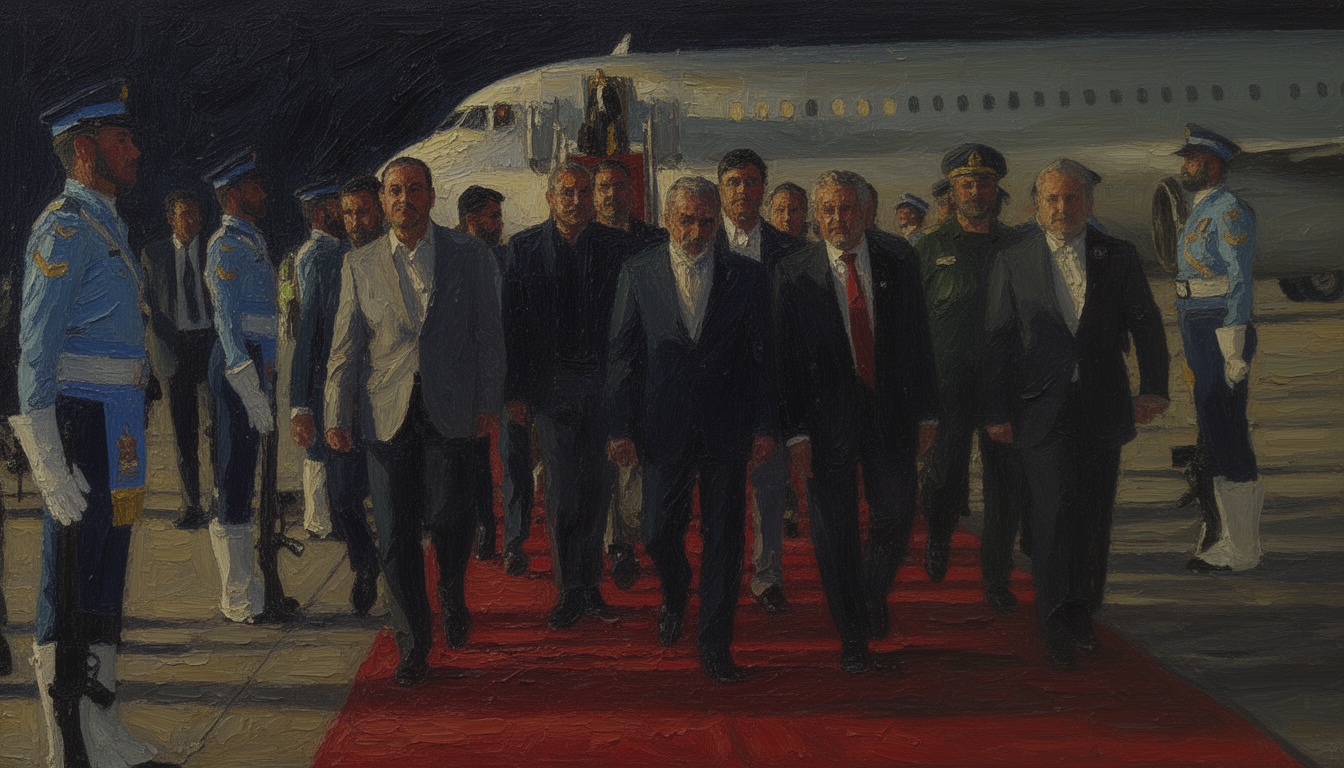
Iranian Foreign Minister Abbas Araghchi travels to Islamabad to push for restart of peace talks with the United States. Islamabad hosts the envoy amid mixed signals on whether a meeting with U.S. negotiators will occur. Washington signals ongoing engagement through its special envoys, who depart soon for regional discussions.
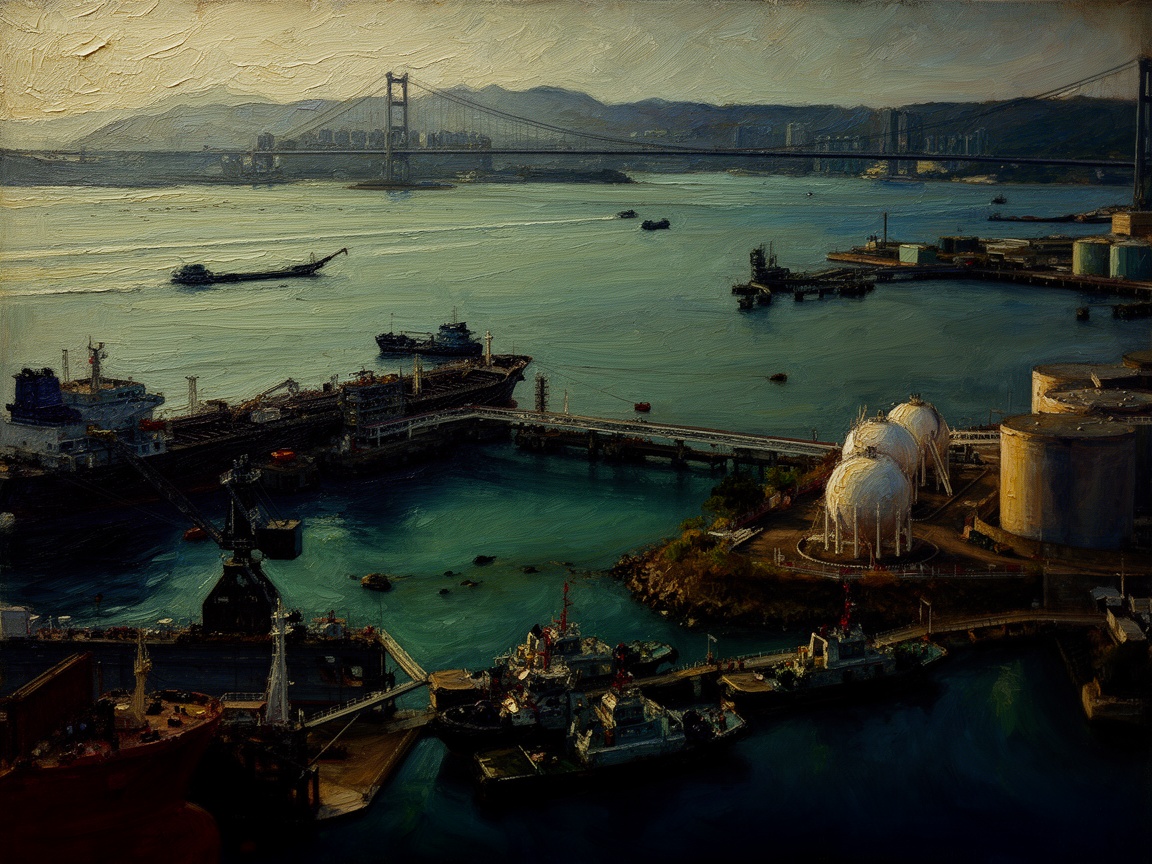
The United States is routing 235,000 barrels of jet fuel from a Washington refinery to Subic Bay, Philippines, through atypical Pacific shipments. The move signals how the Hormuz disruption is forcing long-range logistics shifts in the alliance’s theater support. The episode underscores escalating vulnerability of global energy flows to Iran-linked crises.
The United States imposes sanctions on Hengli refinery for transactions tied to Iranian oil, alleging the firm has generated hundreds of millions of dollars for Iran’s military. The move underscores Washington’s enduring effort to clamp down on Tehran’s revenue streams. Beijing faces pressure over its energy ties with Tehran as regional security dynamics remain volatile.
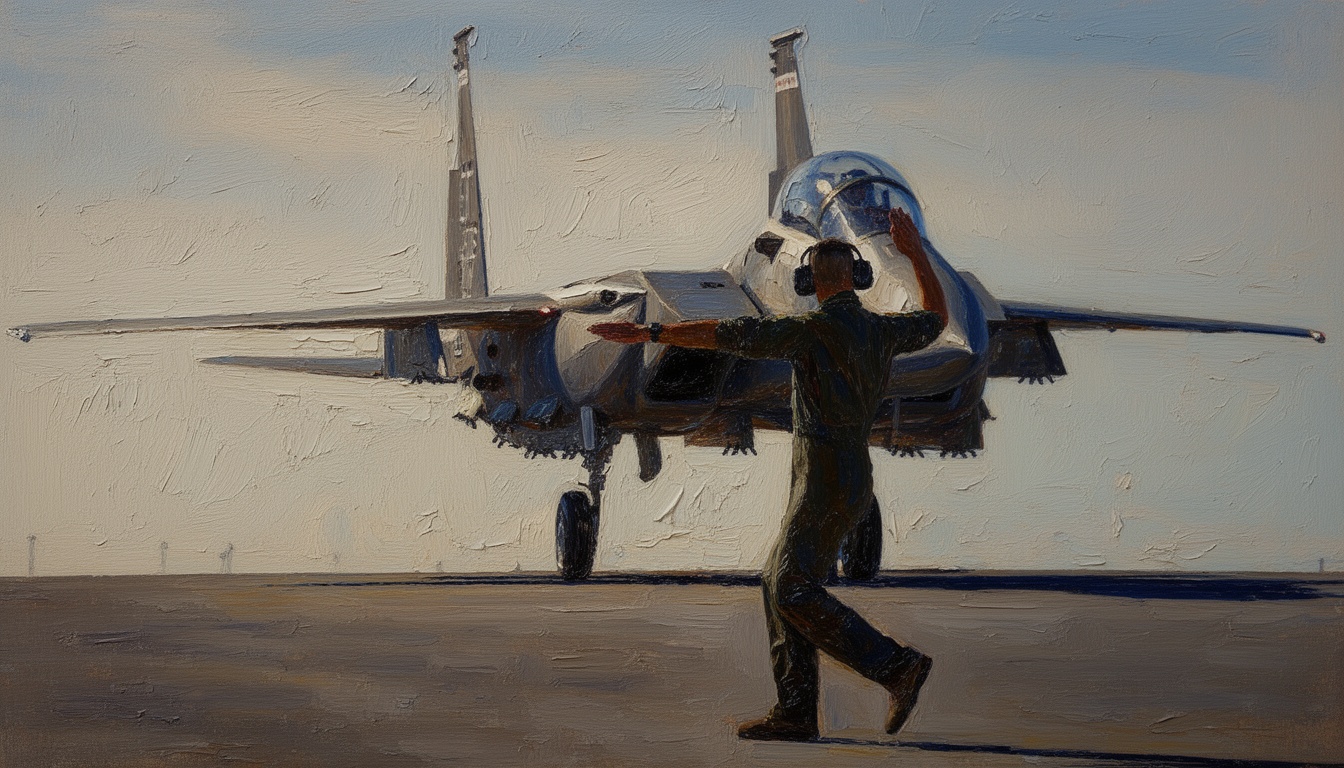
The United States Air Force plans to grow its F-15EX Eagle II inventory to 267 aircraft, signaling a major expansion of air-superiority and multirole capabilities. The move reflects long-term modernization and push to increase survivable, cost-effective fighters in a contested European and Indo-Pacific environment.
El ministro iraní de Exteriores, Abbas Araghchi, viaja a Pakistán con la esperanza de reanudar conversaciones con Estados Unidos. Islamabad reporta una delegación reducida y una llamada con el jefe del ejército refuerza el interés en un nuevo diálogo regional. El viaje sigue a una conversación telefónica con el jefe militar paquistaní, subrayando el interés de Pakistán en un realineamiento de seguridad más amplio.
El programa GPI fija una división de trabajo 50-50 entre EE. UU. y Japón. Una sesión informativa en Tokio el 22 de abril detalló la estructura de desarrollo conjunto para un interceptor de fase de planeo ante amenazas hipersónicas. La noticia subraya la intensificación de la cooperación en defensa y la disuasión en la región Indo-Pacífico.
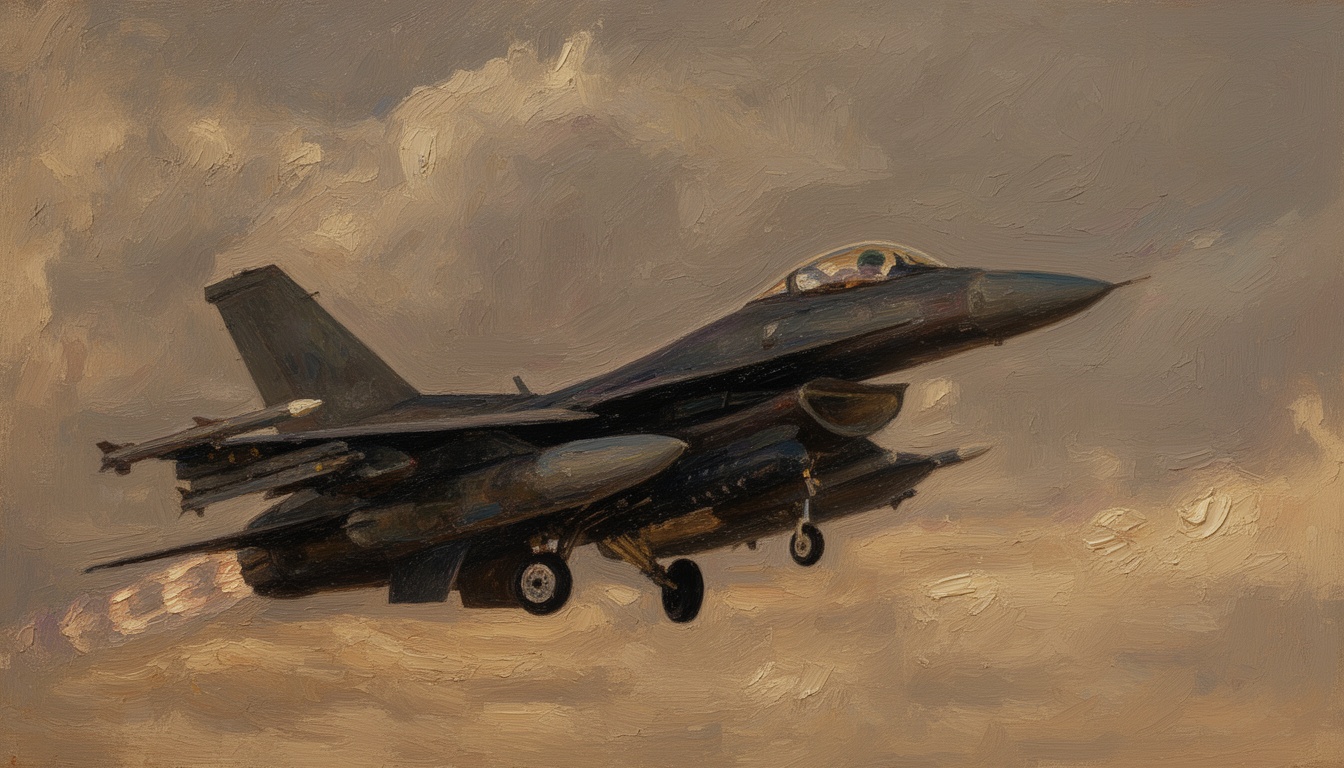
Los ministros de Exteriores y de Defensa de Perú dimiten en protesta por la decisión de frenar un acuerdo de 3.500 millones de dólares para 24 cazas F-16 de Estados Unidos. El episodio expone tensiones entre un gobierno interino y un proceso electoral crucial. El caso plantea preguntas sobre la modernización de la defensa y la alineación con Estados Unidos.
Comprehensive military weapons database with 1000+ systems. Enable JavaScript for the full experience.