Serbia's President Aleksandar Vucic confirmed on Thursday that the nation possesses Chinese-made CM-400AKG supersonic cruise missiles, following the unauthorized online publication of photographs depicting the missiles mounted on Serbian MiG-29 fighter aircraft. This declaration is notable not only for the weaponry involved but also for the broader military implications it carries for regional stability in the Balkans.
The leaked photos, which proliferated on social media platforms and defense forums earlier this week, depict the advanced CM-400AKG missiles attached to Serbia's fleet of Russian-supplied MiG-29 jets. This revelation comes at a time when Serbia has been cultivating deeper military ties with China, contrasting its traditional alliances with Russia and the West. Historically, Serbia's military modernization plans have included an array of foreign partnerships, but the emergence of Chinese technology marks a new pivot in its defense posture.
This development is significant as it represents a tangible shift in military capabilities within a region already fraught with historical rivalries and ethnic tensions. The inclusion of supersonic cruise missiles into Serbia's arsenal poses a direct challenge to the security calculations of neighboring countries, particularly NATO members like Croatia and Montenegro, and could provoke a realignment of military strategies in the region.
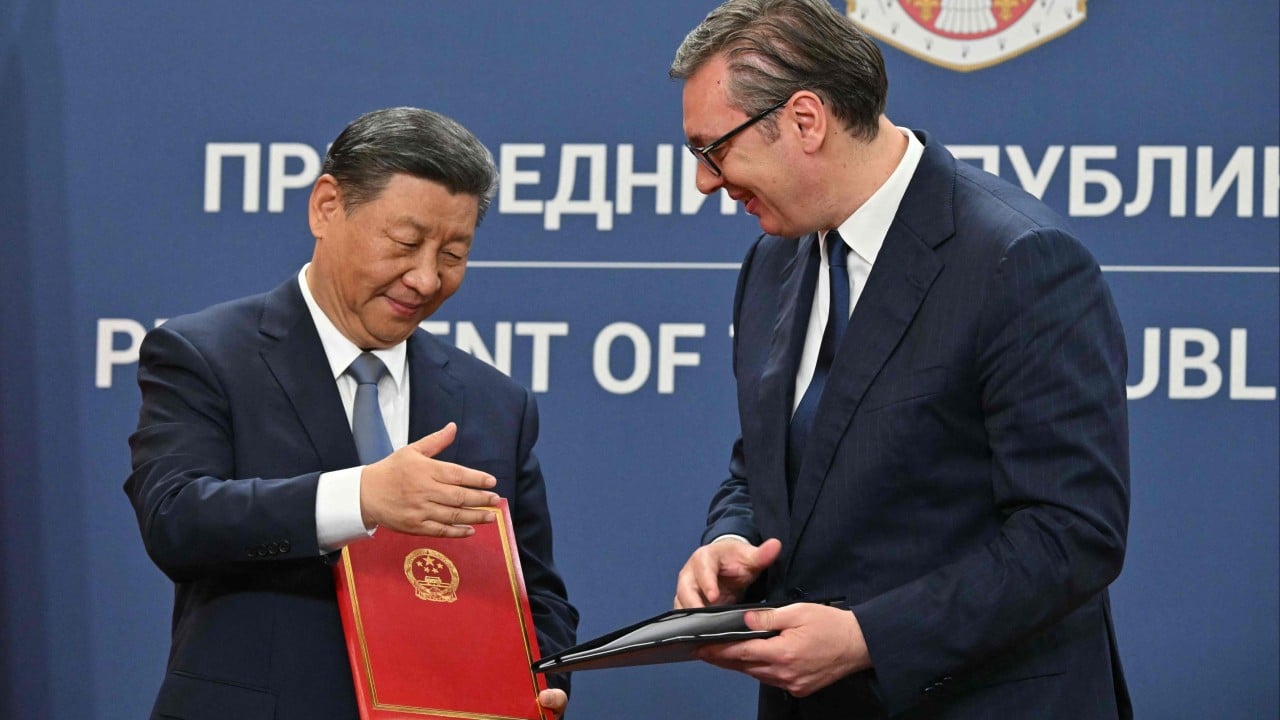
Key actors in this scenario include Serbia, which aims to bolster its defense capabilities amid rising geopolitical pressures, and China, which seeks to expand its influence in Eastern Europe through arms sales. Vucic's comments about possessing unexposed military capabilities suggest a strategy of deterrence and the potential aspiration to assert military autonomy, asserting that Serbia is no longer reliant on traditional power blocs.
The CM-400AKG missile is known for its impressive operational range and precision strikes, capable of targeting maritime threats and land-based assets with remarkable accuracy. This technology provides Serbia with a significant upgrade in asymmetric warfare capabilities, especially when juxtaposed against the aging air forces of its neighbors. Reports suggest that the cost of these missiles could run between $100,000 to $150,000 per unit, reflecting a substantial investment in advancing military readiness.
The likely consequences involve escalating military tensions in the Balkans, as Serbia's military buildup may incite arms races or force neighboring nations to enhance their own defense postures. Increased military exercises in the region could become commonplace, as national forces attempt to assert readiness in response to perceived threats from antagonistic capabilities.
Historical parallels can be drawn to the late 1990s, when regional military buildups and alliances led to armed conflict in the former Yugoslavia. The current situation echoes this volatile period, suggesting that newly acquired capabilities could lead to miscalculations or aggressive posturing in a geopolitical environment already rife with fluctuating allegiances.
Looking ahead, surveillance of Serbia's military activities will be crucial, particularly in observing potential joint exercises with Chinese forces or escalations that might provoke responses from NATO. Monitoring the strategic partnerships within the region will provide vital intelligence indicators, signifying how these advanced missile systems could reshape alliances and strategies in the coming years.